
Best Places to Mouse for Trout in the Lower 48
Skip Alaska - these rivers produce monster browns on mouse patterns
Greg Lamp
January 15, 2025
11 min read
The take came at 11:47pm. I'd been wading the same hundred-yard stretch of the Madison for three hours, casting into darkness, hearing nothing but my own line slapping water. Then the explosion - a sound like someone throwing a bowling ball into the river. I strip-set hard, felt weight, and watched my backing disappear into the Montana night.
That fish went 24 inches. I never saw it until it was in my net.
Alaska gets all the glory when it comes to mousing for trout. Southwest Alaska is genuinely top-tier - rainbow trout there eat mice daily when changing river braids flood rodent burrows. But most of us don't have the time or budget for an Alaskan adventure.
The good news? You don't need to fly to the Last Frontier to experience that heart-stopping topwater violence. Some of the best mousing in the country happens right here in the lower 48.
Why Mousing Works for Big Trout
Trophy brown trout need calories. Lots of them. While smaller fish are content chasing mayflies and midges, browns over 20 inches often switch to a meat-based diet. Mice, voles, and other rodents that tumble into rivers become high-value targets.
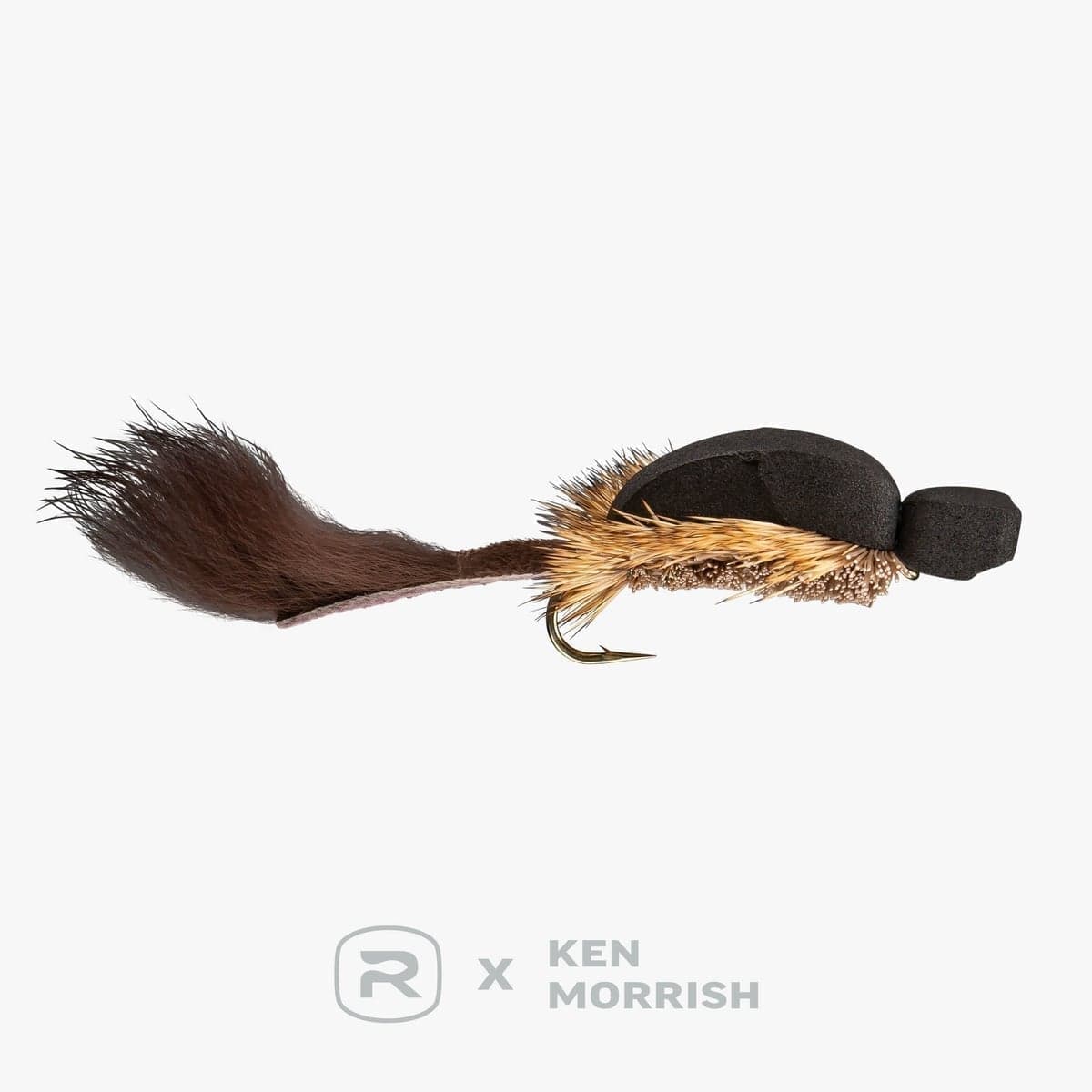
The Morrish Mouse - one of the most effective mouse patterns, designed by Ken Morrish for Kamchatka rainbows
Big browns are also largely nocturnal. They use their lateral lines to detect vibrations in the water, which means they can sense a mouse pattern even on the darkest nights. That gurgling, splashing sound of a deer hair fly skating across the surface? It's a dinner bell.
The technique is simple: cast across and let the fly swing down and across the current. Strip it slowly, or just let it skate. Unlike delicate dry fly fishing, mousing is aggressive. Smack the fly down, create a wake, and hang on.
The White River, Arkansas: Best Mousing in the Lower 48
The White River might be the single best mousing destination in the continental United States. This tailwater holds trophy browns that reach weights most anglers only dream about - fish over 30 inches are caught on mouse patterns regularly, with some pushing past 10 pounds.
The stable water temperatures from the dam create ideal conditions. Water coming off the bottom stays cold year-round, and the generation pattern often leaves minimal flow around 10pm - perfect timing for night mousing. Some guides here specialize exclusively in night trips and have caught fish over 11 pounds on mouse patterns.
Local fly shops stock oversized mice tied specifically for the White's monster browns. Standard patterns work, but upsizing your fly makes sense when fish regularly push 10+ pounds.
When to go: Late spring through fall. Summer nights are productive, but don't rule out winter - the tailwater keeps temps stable.
What you need: A 7-weight rod minimum, 20-30lb tippet, and a headlamp you're comfortable turning off.
Upper Delaware River, New York/Pennsylvania
The Upper Delaware produces some of the largest brown trout on the East Coast, and mousing is a proven tactic for the biggest fish. According to local guides, once Delaware browns hit 22 inches, most switch their diet to amphibians, baitfish, and rodents.
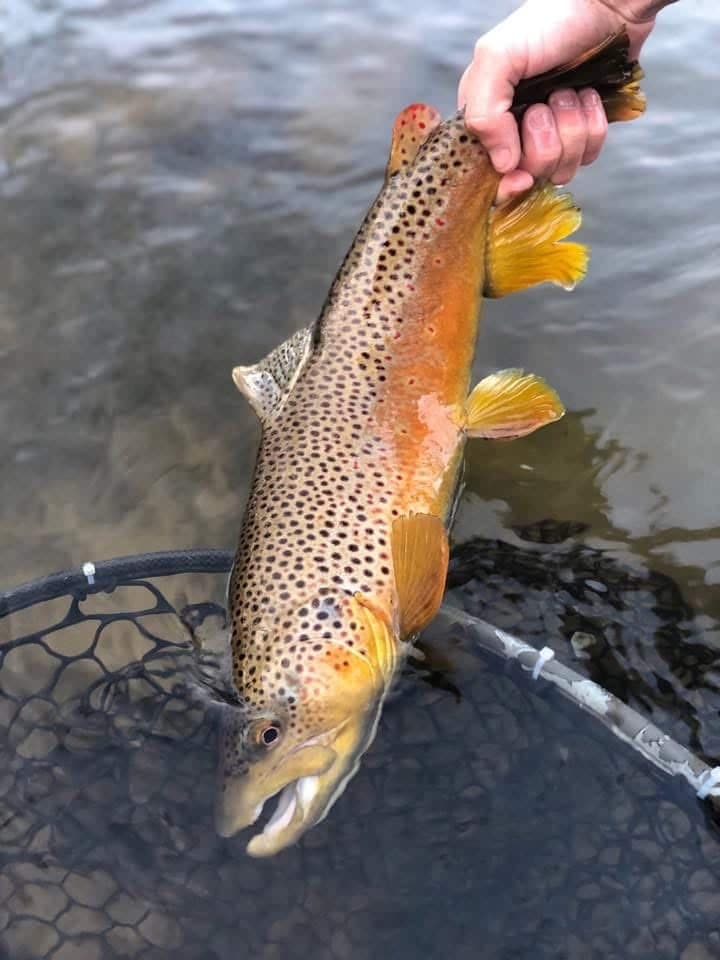
A hefty brown trout taken on mouse patterns - the kind of fish that makes night fishing worth the effort
This is where the Master Splinter pattern originated. Creator Steve Yewchuck makes an annual pilgrimage to the Delaware for back-to-back nights of "rodent chucking," and the pattern has become a go-to for serious mousers nationwide.
The Delaware's long, slow pools are perfect for mousing. Fish cast directly across and inch your mouse slowly over the surface. Listen for the strike - it's typically aggressive, though some big browns will sip mice like dry flies.
Night-caught browns over 28 inches are not uncommon. Joe Humphreys, the Pennsylvania fly fishing legend, caught his 34-inch state record brown a little after 1am.
When to go: Late June through October. Water temps between 52-68F are ideal.
Fly shop intel: Hackett Fly Fishing runs dedicated mousing trips on the West Branch, East Branch, and Main Stem.
Madison River, Montana
Montana's most famous river produces excellent night fishing for big browns and rainbows. Local shops report that mid-July through August is prime time, when the last evening hatches transition into mousing hours.
The lower Madison's slower pools are where you'll find the biggest mousing opportunities - that 24-inch brown I mentioned caught me in one of these pools, working a size 4 Morrish Mouse on a moonless August night. Fish here use the classic down-and-across swing, letting the mouse pattern create a wake as it swings toward the bank. On moonless nights, go bigger - flies that push more water help fish locate your offering in total darkness.
A few things make the Madison unique for mousing. First, the fish here have seen mice - voles and meadow mice are common in the surrounding grasslands. Second, the river's famous dry fly fishing means plenty of trout are conditioned to looking up. Third, summer nights in Montana are comfortable enough to fish until 2am without freezing.
When to go: Mid-July through August for peak action. Check Montana flows to time your trip with stable water levels.
Safety note: Wade carefully or float with someone who knows the river. The Madison has hazards that are easy to miss in darkness.
South Holston and Watauga Rivers, Tennessee
These sister tailwaters in East Tennessee don't get the mousing press they deserve. With 7,000-10,000 trout per mile and 80-85% wild brown trout populations, you're fishing over fish that have never seen a hatchery.
The South Holston in particular grows massive browns. The reservoir upstream provides year-round food, allowing fish to reach weights that rival Western fisheries. Local guides regularly throw mice and big streamers at night, targeting browns that push well over 20 inches.
The Watauga shares genetics and food sources with the SoHo. Guide services report consistent streamer and mouse fishing for trophy browns, especially during lower light conditions.
When to go: Year-round, but avoid November-January when sections close for spawning.
Pro tip: Check Tennessee flows - dam releases significantly impact fishing.
Colorado's Western Slope
Colorado might not be the first state you think of for mousing, but the Western Slope offers solid opportunities. The lower Eagle River, Upper Colorado from Pumphouse to Glenwood Springs, and the Gunnison all hold big browns that respond to mouse patterns.
Late June typically kicks off mousing season, and it stays productive through late fall. The key is finding nights when temperatures don't dip below freezing - cold fronts can shut down the bite completely.
The Colorado below Glenwood Springs is particularly interesting. This Gold Medal stretch holds large browns in the deep pools and along undercut banks. The combination of dam-controlled flows and wild river character creates excellent mousing habitat.
When to go: Late June through October, on warmer nights.
What to try: Fish the slower pools and inside bends where big browns set up at night.
The Housatonic River, Connecticut
New England doesn't immediately scream "mouse fishing," but the Housatonic in northwestern Connecticut holds serious browns. This river rivals many Western waters in size and flows through limestone deposits that support incredible insect hatches.
Local guide services offer night fishing trips with mouse flies via wade or drift boat. The Trout Management Areas, managed as catch-and-release, concentrate quality fish. Hooking an 18-inch brown or larger is not uncommon.
The Housy fishes well from April through June and September through November for general fly fishing. For mousing specifically, summer nights when water temps allow are your window.
When to go: Check regulations - some stretches close June 15 through September 15 to protect fish from thermal stress.
Flows to watch: Above 500 CFS, the river floats well by drift boat, opening up access to less-pressured water.
Urban Rivers: The Sleeper Pick
Here's where mousing gets creative. Urban rivers hold brown trout that have grown fat on a steady diet of city rodents - and they rarely see mouse patterns.
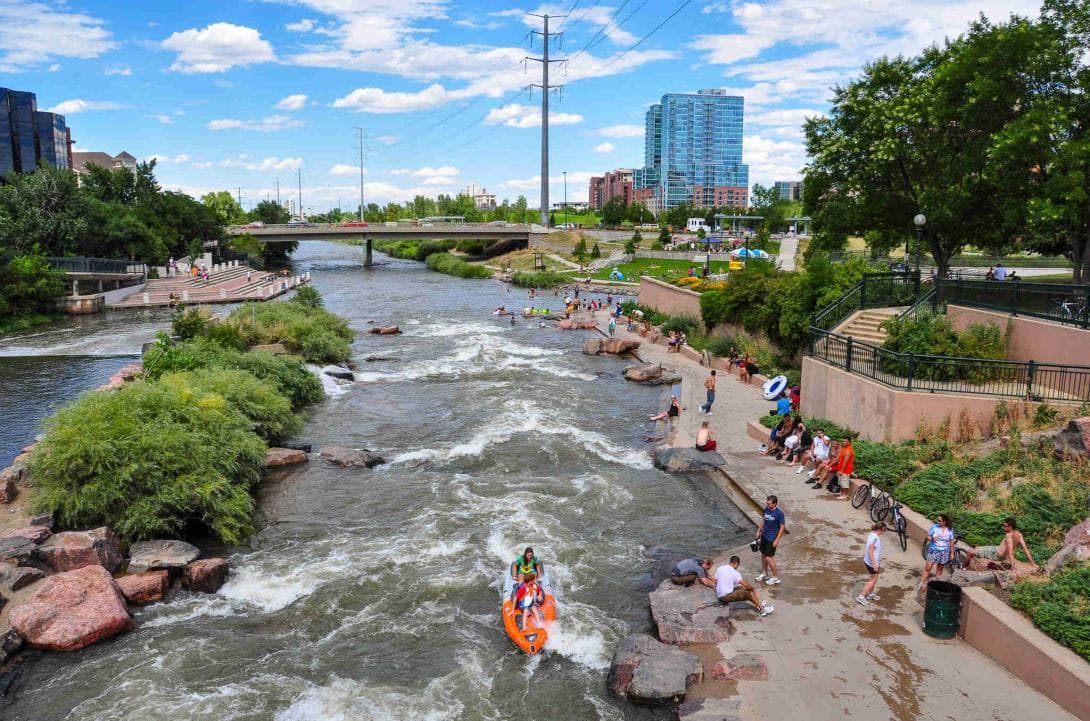
Urban rivers like the South Platte through Denver offer surprising mousing opportunities - city trout see streamers all day, but rarely mouse patterns
The Boise River flows 25 miles through downtown Boise via the Greenbelt, holding wild browns and rainbows with easy public access. The South Platte through Denver, the Truckee through Reno, and the Provo through Utah's Wasatch Front all support healthy brown trout populations in urban corridors.
These fish see streamers and nymphs all day. They don't see mouse patterns. And urban environments mean one thing: rats and mice are everywhere. The fish know it.
The Master Splinter pattern got its name for a reason. Fish the slower pools near downtown after dark, especially where storm drains and culverts empty into the river. You're matching the hatch in ways most anglers never consider.
When to go: Summer and early fall, on warm nights. Urban rivers often fish later into the season thanks to thermal refuge from city infrastructure.
The advantage: You can scout locations during daylight, mark the best pools, then return after dark. No guide needed - just local knowledge and patience.
Best Mouse Fly Patterns
You don't need a tackle shop full of mice. These three patterns cover most situations:
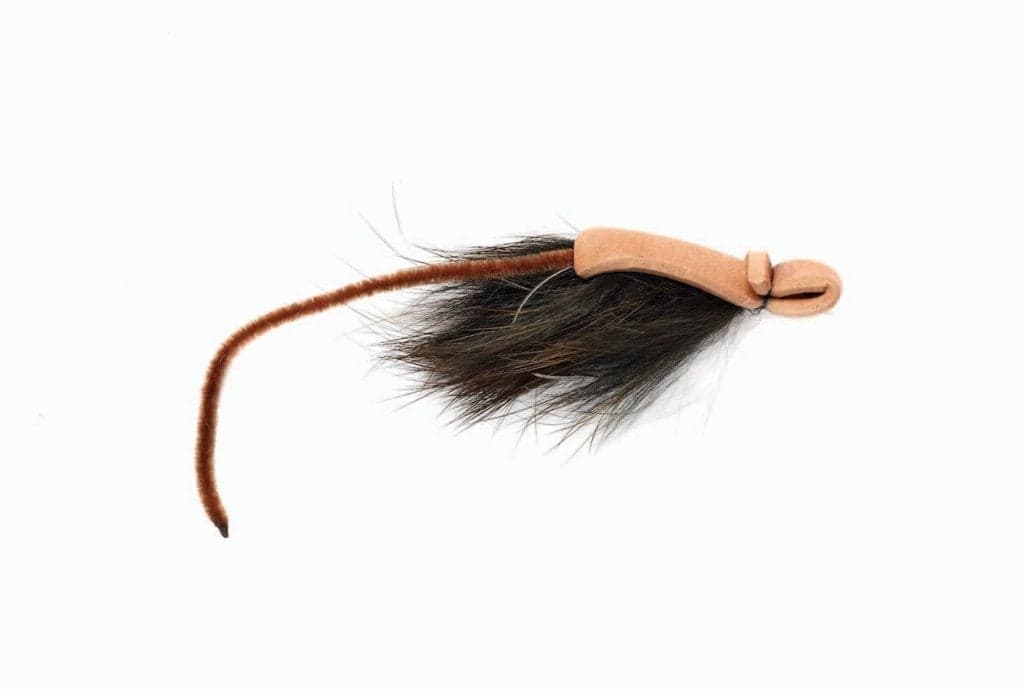
The Master Splinter - a slim, impressionistic mouse pattern that lands upright every cast
Morrish Mouse: The shop favorite at most Montana stores. Deer hair body with a foam back for flotation. The upturned trailing hook catches fish that just nip the tail. Designed by Ken Morrish for Kamchatka rainbows, it works everywhere.
Master Splinter: A slimmer, more impressionistic pattern. Lands upright every cast and swims with a low profile. Great for daylight mousing on sizes 2-4.
Mr. Hankey: Combines deer hair and foam for the best of both worlds. Floats true, features a small up-riding hook, and has a realistic swimming action.
The common mistake? Going too big. MidCurrent notes that slim-profile mice often outfish fat, realistic patterns. You want an impression of prey, not a taxidermy exhibit.
Timing and Conditions
Moon phase matters. Dark nights with a new moon or heavy cloud cover produce the best action. Full moon nights can be too bright - fish see too well and become leader-shy.
Temperature affects activity. Warmer nights mean more active fish. A cold front moving through can shut down mousing completely.
Water level helps. Rising water, especially after rain, puts more natural mice in the river and triggers feeding. Check current flows before heading out.
Start after dark. The first hour after full darkness is often the most productive. Big browns that have been hiding all day start actively feeding.
The Gear You Need
Skip the 5-weight. Mousing requires:
- Rod: 7 or 8 weight, 9 feet. You need backbone for big flies and bigger fish.
- Line: Weight-forward floating line. Some anglers like bass bug tapers for turning over large flies.
- Leader: Short and stout - 6 feet of 1X to 3X for daylight, 20-30lb test for night.
- Tippet: Don't go light. These fish aren't leader-shy in the dark.
And invest in a quality headlamp with a red light mode. White light blinds you and spooks fish. Red preserves night vision.
Make the Trip
Mousing isn't about numbers. You might fish four hours and get three strikes. But those strikes come from the biggest trout in the river - fish that have survived by being smart and eating well.
If you're serious about mousing, start with these three:
- The White River for sheer size potential - browns over 10 pounds eat mice here regularly
- The Upper Delaware if you're on the East Coast - trophy fish within a day's drive of New York and Philly
- The Madison for the full Montana experience - combine it with daytime dry fly fishing for a complete trip
Before you go, check current flows on your target river. Mousing works best when water levels are stable or slightly rising. Then check the moon phase - you want dark nights, not full moons.
Pack a 7-weight, tie on something furry, and be patient. The first hour of full darkness is often the most productive. Listen for the strike before you see it. Set hard.
And when that explosion comes out of nowhere and your line goes tight? That's the moment you'll remember long after the fish swims away.
That's the magic of mousing.
Get River Intel Weekly
Flow updates and fishing intel delivered every Thursday.
River Intel Weekly
Weekly flow updates and fishing intel.
© 2026 RiverReports, Inc.