Colorado Fly Fishing: Best Rivers by Month (2026)
12 months of trout, from winter tailwaters to summer salmonflies
Greg Lamp
December 31, 2025
10 min read
Colorado's fly fishing is a year-round affair. While some states pack away the rods when temperatures drop, Colorado's tailwaters stay productive through winter, and its freestones come alive as snowmelt subsides in summer. The trick is knowing which rivers fish best each month.
Last February, I had Cheesman Canyon to myself for four hours. Just me, the midges, and a 22-inch brown that finally ate a size 24 RS2 after I'd drifted it through the same run a dozen times. That's winter fishing in Colorado. Different season, different river, different approach. This guide breaks down where to fish and what to expect every month of the year.
January & February: Tailwater Season
Winter fishing in Colorado means tailwaters. When freestone rivers run too cold and slow, dam-released waters maintain fishable temperatures and consistent flows.
Top picks:
- South Platte (Cheesman Canyon & Deckers) - The classic Front Range winter fishery. Fish size 20-24 midges during the midday warmth (10am-2pm). Expect flows around 80-150 CFS with fish holding in slower runs and eddies.
- Blue River (Silverthorne) - This tailwater below Dillon Dam fishes well at 50-100 CFS. Mysis shrimp and midges dominate. Park at the outlet stores and walk the Blue River Trail.
- Frying Pan River - One of Colorado's best winter dry fly fisheries. BWOs hatch on warmer afternoons, and midge clusters bring fish to the surface when you'd expect them to stay deep.
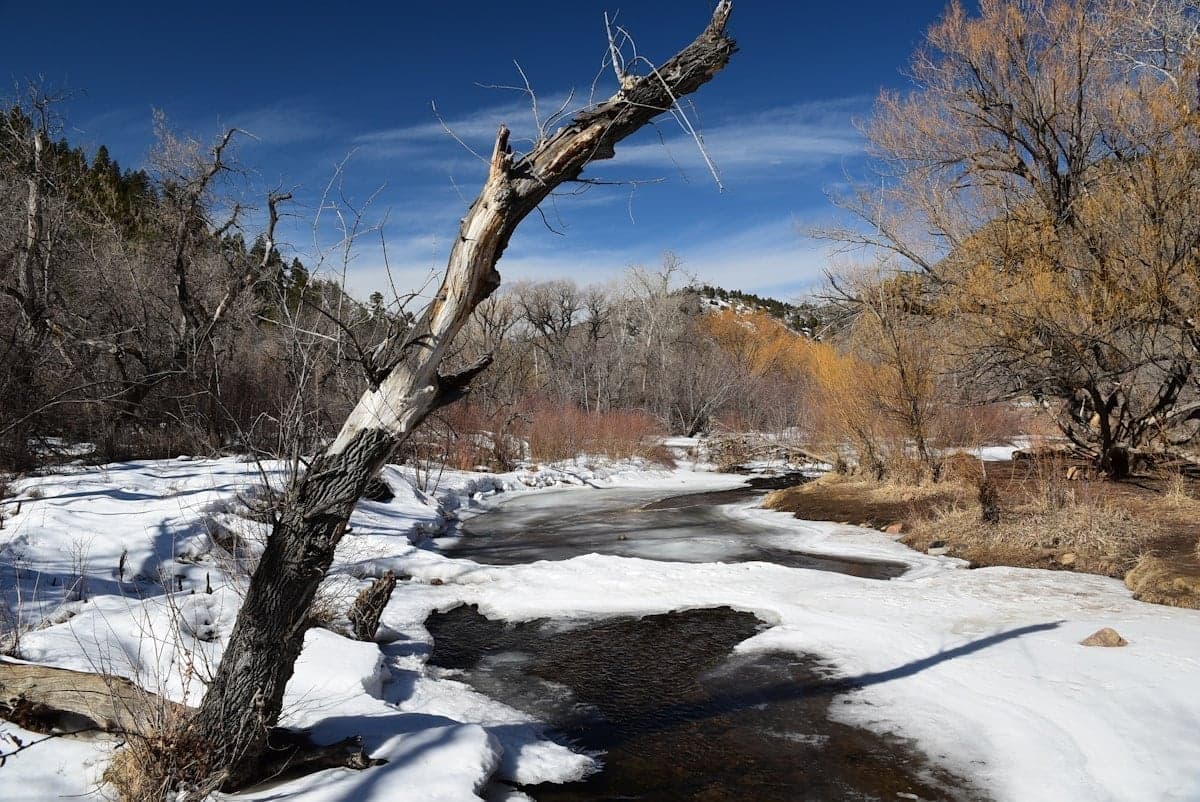
Winter tailwaters in Colorado stay productive when freestones are too cold to fish
The key to winter fishing: dress warm, fish midday, and downsize your flies. Size 22-26 midges aren't optional equipment. They're often the only game in town.
March: Early Spring Transition
March is transition month. Tailwaters still dominate, but warm days can trigger early BWO hatches on freestones. If you catch a string of 50°F days, the fish notice.
Where to go:
- South Platte remains consistent. The Dream Stream section between Spinney Mountain and Eleven Mile reservoirs sees early rainbow spawning activity.
- Arkansas River (Pueblo Tailwater) - The 8-mile stretch below Pueblo Reservoir offers mild weather while the rest of the state is still cold. Stable flows make for consistent fishing.
- Roaring Fork - The Fork is one of Colorado's best winter fisheries, and March often sees the first solid BWO hatches near Basalt, where warmer Frying Pan water enters.
Target overcast days for BWO activity. Cloud cover keeps mayflies on the water longer and gets trout looking up.
April: The Season Stirs
April marks the real start of the season. Ice clears from high-country lakes, and freestone rivers begin to show life. Runoff hasn't started yet on most waters, making this one of the best months for technical dry-fly fishing.
Best bets:
- Arkansas River (Salida to Buena Vista) - The famous Arkansas River starts to wake up. Caddis begin hatching in late April, building toward the May explosion. Float fishing picks up.
- Gunnison River - Below Blue Mesa Reservoir, brown trout become more active. This Gold Medal water holds some of the biggest fish in the state.
- Eagle River - Pre-runoff conditions in the Vail Valley offer great nymph and streamer fishing before snowmelt begins.
This is my favorite month for technical fishing. Trout are hungry after winter but not yet dealing with high, off-colored water.
May: Mother's Day Caddis
May is caddis month on the Arkansas River. The "Mother's Day Caddis" hatch is a Colorado institution. Dense clouds of tan caddis swarm the river from Buena Vista downstream, and trout gorge on them.
Where to be:
- Arkansas River - From May 1 through mid-month, the caddis hatch moves upstream each day. Chase the hatch if you can. Morning streamers transition to dry-dropper rigs by midday. Check Arkansas flows before heading out, since runoff typically begins mid-month.
- Colorado River - Salmonfly nymphs become active. The big bugs are worth targeting as nymphs before the adults start flying in June.
- Lower South Platte - Below Cheesman, caddis hatches overlap with lingering BWOs.
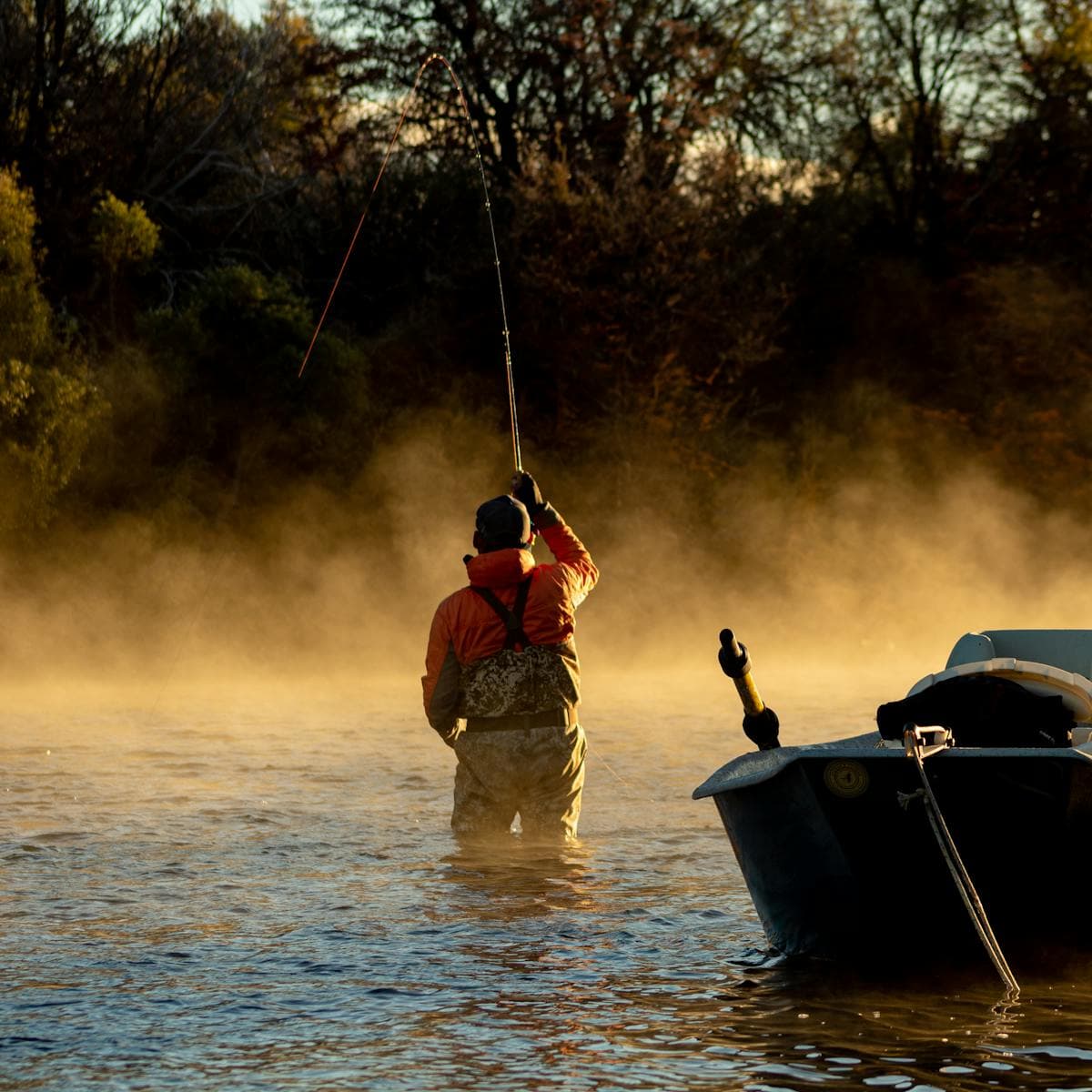
Early morning on a spring freestone—before runoff muddies the water, conditions like this are common
Runoff begins on some waters in late May. Tailwaters like the Frying Pan and Blue River become more valuable as freestones blow out.
June: Peak Season Begins
June is when things get interesting. Early in the month, salmonflies and golden stoneflies bring the biggest dry flies of the year. By mid-June, runoff subsides on most waters and the real dry fly season begins.
Top destinations:
- Colorado River (Gore Canyon to Glenwood Springs) - The salmonfly hatch peaks in early June. Throw size 4-8 stonefly patterns and hold on. This is trophy brown trout water.
- Gunnison Gorge - The Gorge sees its famous salmonfly hatch from mid-June through early July. Multi-day float trips through the canyon are bucket-list fishing. I still think about a 24-inch brown that crushed a Chubby Chernobyl on my first trip down.
- Roaring Fork - Green Drakes begin in late June, one of the most anticipated hatches in the Roaring Fork Valley. Float fishing picks up as flows stabilize.
The week when runoff subsides is the week to hit freestones. Fish are hungry, hatches are heavy, and pressure is lighter than peak summer.
July: Dry Fly Prime Time
July is peak dry fly season across most of Colorado. Overlapping hatches of PMDs, Yellow Sallies, caddis, and emerging terrestrials keep fish looking up all day.
Where to fish:
- Roaring Fork - The Green Drake hatch peaks in early July. Both float and wade anglers can get in on the action. Fish early morning and evening for best results.
- Eagle River - Late June through July offers some of the best caddis fishing in the state. The lower river near Gypsum holds good numbers of rainbows.
- Gunnison River - Green Drakes appear in some stretches. Fish from about 7,000 feet elevation and above for the best hatch activity.
July evenings are magic. Green Drakes, PMDs, and caddis create overlapping hatch windows from around 4pm until dark.
A note on summer temps: Water temperatures on some rivers (like the Eagle) can reach 68°F on hot afternoons. Carry a stream thermometer and stop fishing if temps hit 68°F. Stressed trout in warm water have higher mortality rates even after release. Morning sessions are your friend in late July.
August: Hopper Season
August means terrestrials. Hoppers, ants, and beetles dominate the menu on windswept banks, and Tricos create technical morning fishing on calmer waters.
Best options:
- South Platte - Trico hatches in the Dream Stream create technical morning fishing. Tiny flies, long leaders, and careful presentations pay off.
- Arkansas River - Hopper fishing peaks from late July through August. Windy afternoons are your friend—they blow hoppers into the river and get trout looking toward the banks.
- Frying Pan - The Pan fishes well year-round, but August offers the added bonus of hopper patterns along grassy banks.
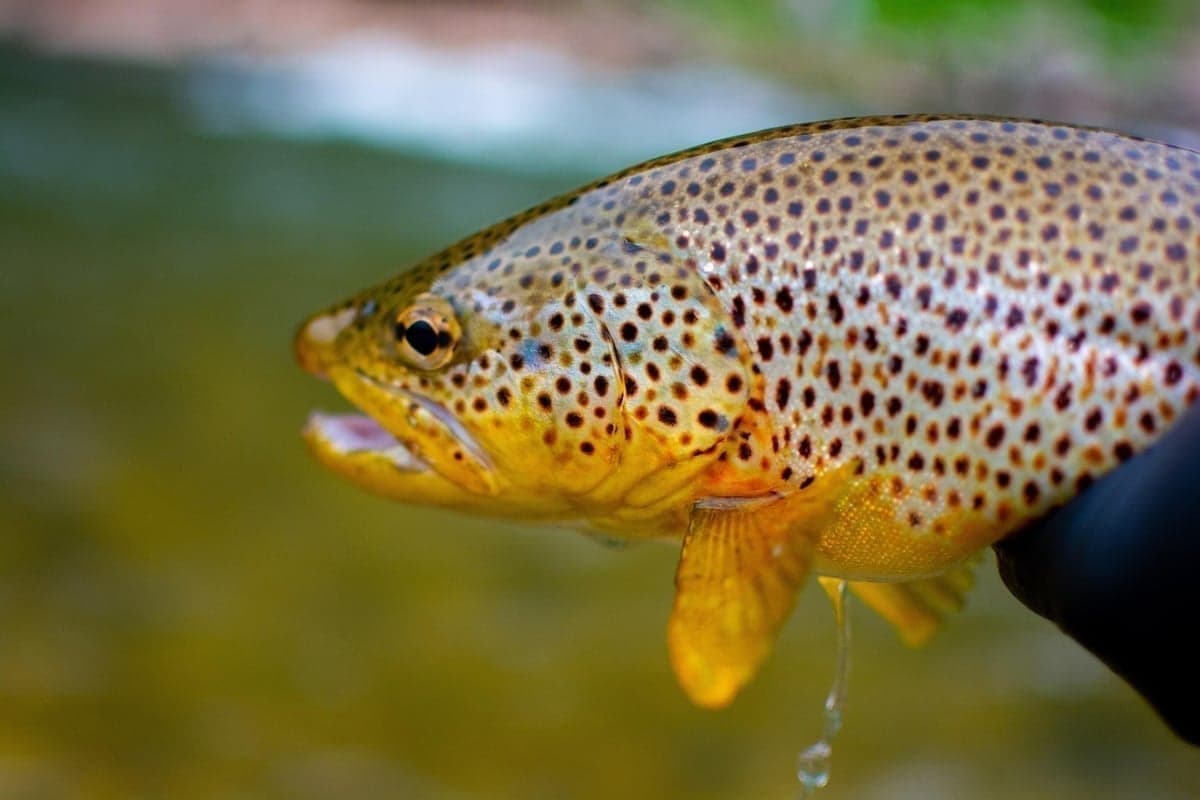
Colorado's tailwaters and freestones hold healthy populations of brown and rainbow trout
For Trico fishing, be on the water at dawn. The hatch happens early and is often over by 9am. Then switch to hoppers for the afternoon.
September: Fall Transition
September brings cooling temperatures and the return of BWOs. The crowds thin out, brown trout start moving for the spawn, and fishing quality improves across the board.
Where to go:
- Every tailwater in the state - BWOs return in force during September. Overcast days are best. The hatch can run from late morning into early afternoon.
- Blue Mesa tributaries - Kokanee salmon runs attract spawning browns from Blue Mesa Reservoir. Egg patterns become effective.
- Roaring Fork - Fall BWOs, hoppers, and early streamer fishing combine for diverse options.
This is the "locals' season." Tourist traffic drops, aspens begin to turn, and trout feed aggressively before winter.
October: Brown Trout Time
October is streamer month. Brown trout become aggressive as they prepare to spawn, and big fish that ignored your flies all summer suddenly become catchable.
Top picks:
- Gunnison River - Big browns move out of Blue Mesa Reservoir and into the river to spawn. This is trophy brown trout time.
- Colorado River - Pre-spawn browns become territorial and aggressive. Swing streamers through runs and hold on.
- South Platte - October Caddis hatches close out the dry fly season with large, easy-to-see bugs. BWOs continue on mild days.
Early morning and late afternoon are prime streamer times. Fish darker patterns on overcast days and lighter colors when the sun is out.
November & December: Back to Tailwaters
As winter settles in, fishing returns to the tailwaters that carried you through January. Midges dominate, hatches shrink, and the crowds disappear.
Reliable options:
- Frying Pan - Year-round dry fly fishing continues. Midges and BWOs produce on warmer days.
- South Platte - Cheesman and Deckers fish well through winter. Expect to throw small flies and fish the midday warmth.
- Arkansas Pueblo Tailwater - Milder weather than mountain tailwaters makes this a good late-season option.
Winter fishing demands patience. Fish midday, expect slower action, and appreciate the solitude. There's something about watching midge clusters drift through a run on a cold December morning on the Pan. No crowds, no pressure, just you and the trout.
Quick Reference: River Highlights by Month
| Month | Best Rivers | Key Hatches |
|---|---|---|
| Jan-Feb | South Platte, Blue, Frying Pan | Midges |
| March | South Platte, Roaring Fork | Midges, early BWOs |
| April | Arkansas, Gunnison, Eagle | BWOs, early caddis |
| May | Arkansas, Colorado River | Caddis, salmonfly nymphs |
| June | Colorado, Gunnison Gorge | Salmonflies, golden stones |
| July | Roaring Fork, Eagle | Green Drakes, PMDs, caddis |
| August | South Platte, Arkansas | Tricos, hoppers |
| September | All tailwaters | BWOs return |
| October | Gunnison, Colorado | October Caddis, streamers |
| Nov-Dec | Frying Pan, South Platte | Midges |
Plan Your Next Trip
Flows change daily. A river that fished perfectly yesterday might be blown out from a thunderstorm or dam release. Always check conditions before you go.
Resources I use:
- Colorado river flows on RiverReports - Real-time USGS data for every major river, updated hourly
- Vail Valley Anglers fishing reports - Solid weekly updates on the Eagle, Colorado, and Roaring Fork
- Colorado Parks & Wildlife - Stocking schedules, regulations, and license info
Ready to plan? Head to RiverReports and check what's fishing well right now. Bookmark the rivers you want to hit, and you'll get alerts when flows hit your target range.
The best month to fly fish Colorado depends on what you're after. Trophy dry fly fishing? July. Technical tailwater work? January. Big streamer-eating browns? October. Colorado has something to offer every month of the year. The rivers are waiting.
Frequently Asked Questions
What is the best time to fly fish in Colorado?
It depends on what you want. July is peak dry fly season with Green Drakes and PMDs. May brings the famous Mother's Day caddis hatch on the Arkansas River. October is prime streamer fishing for big browns. Colorado's tailwaters like the Frying Pan and South Platte fish well year-round, even in winter.
What are the best fly fishing rivers in Colorado?
Top rivers include the South Platte (Cheesman Canyon), Frying Pan, Arkansas River, Gunnison River, Colorado River, Roaring Fork, and Blue River. Each fishes best at different times of year. Tailwaters like the Frying Pan and Blue are reliable year-round, while freestones peak June through September.
Get River Intel Weekly
Flow updates and fishing intel delivered every Thursday.
River Intel Weekly
Weekly flow updates and fishing intel.
© 2026 RiverReports, Inc.