Flow1,020 CFS
Trendstable
Clarityclear
Temp63°F
Tailwater Sow Bugs #12-16Mud Bugs #12-14Crayfish Patterns #6-8Elk Hair Caddis #14-16
| What | When | Key Numbers |
|---|---|---|
| River fishing | Late June - October | Green: 200-400 CFS ideal wading; New Fork: 250-500 CFS |
| Alpine lakes | Mid-July - September | Ice-out: 8,000 ft by late June, 10,500+ ft by mid-July |
| Fontenelle tailwater | May-June, Sept-Oct | 800-1,500 CFS ideal |
| Guided trips | Book by March for July | $600-700/day (1-2 anglers) |
| Fly shop | Two Rivers Fishing Co. | (307) 367-4131, 232 W Pine St |
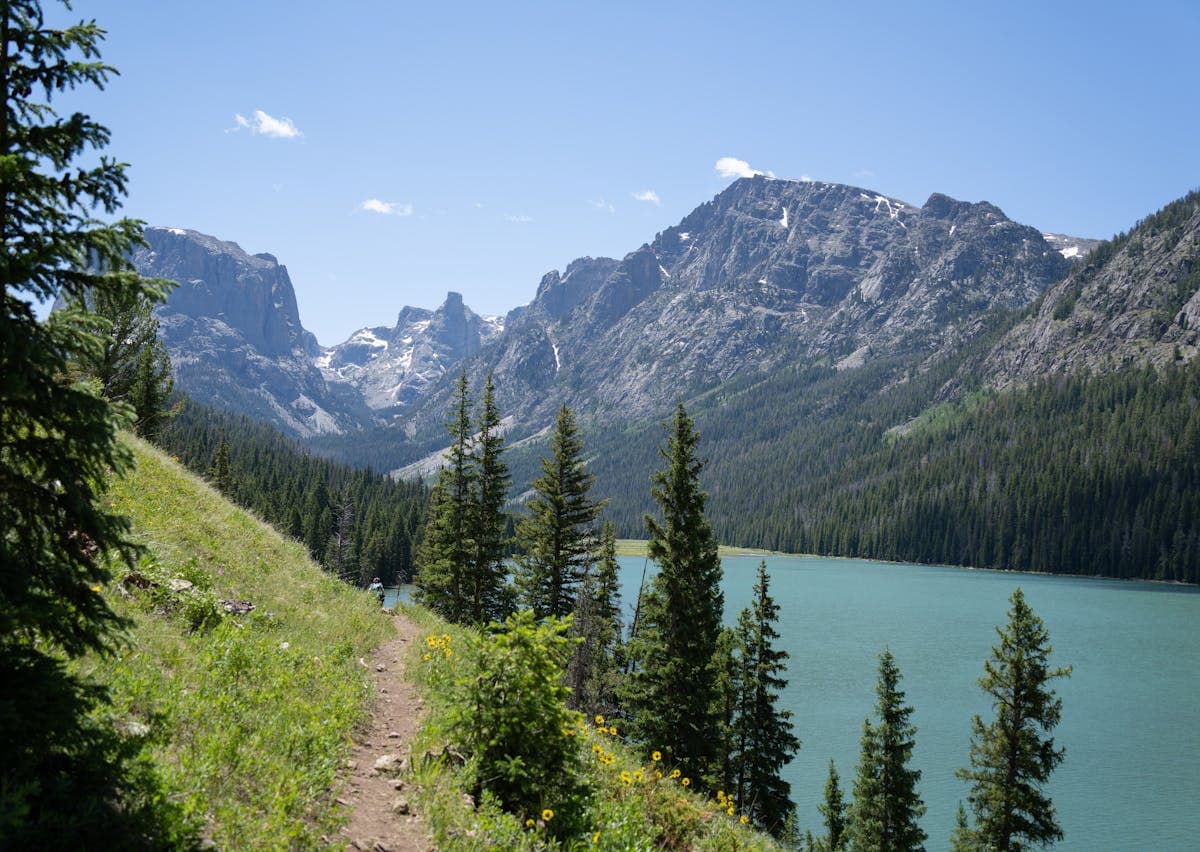
Pinedale sits at the base of the Wind River Range in western Wyoming - a small town of 2,000 people serving as the gateway to over 1,300 named lakes, hundreds of miles of fishable streams, and genuine alpine wilderness. This is where you catch golden trout in granite basins at 11,000 feet, float freestone rivers through sagebrush country, or hire a horse packer to drop you at a lake no one else will visit all week.
The Upper Green River begins its 730-mile journey to the Colorado River system right here, flowing from Green River Lakes beneath the iconic profile of Squaretop Mountain. The New Fork River drains another swath of the Wind River Range. Both offer float fishing through private ranch land, wade-fishing on public stretches, and quality brown, rainbow, and cutthroat trout.
But the real draw lies in the backcountry. The Bridger Wilderness encompasses 428,000 acres of the western Wind River Range - 48 peaks over 12,000 feet, seven of the largest glaciers in the contiguous U.S., and alpine lakes holding brook trout, cutthroat, grayling, and golden trout. Few places in the Lower 48 offer this combination of remote fishing and genuine wilderness.
Drive Times from Pinedale:
| Destination | Distance | Time |
|---|---|---|
| Green River Lakes | 52 miles | 1 hr 20 min |
| Fremont Lake | 6 miles | 10 min |
| Elkhart Park Trailhead (Titcomb Basin) | 14 miles | 25 min |
| Big Sandy Trailhead (Cirque of Towers) | 52 miles | 1 hr 30 min |
| Fontenelle Reservoir Tailwater | 70 miles | 1 hr 15 min |
| Jackson Hole | 77 miles | 1 hr 30 min |
Pinedale's fishing calendar is dictated by elevation. The rivers fish from late May through October, but the alpine lakes don't fully thaw until mid-July most years.
| Season | Timing | Conditions | Best Bet |
|---|---|---|---|
| Late Spring | May-early June | Rivers clearing from runoff, alpine still frozen | Green River below Warren Bridge, New Fork near Pinedale |
| Early Summer | Mid June-July | Prime river fishing, hatches peak, alpine lakes thawing | Float trips, Green River Lakes, lower elevation alpine lakes |
| Peak Summer | Late July-August | Alpine fully accessible, afternoon thunderstorms common | Titcomb Basin, Cirque of Towers, high alpine lakes |
| Early Fall | September | Best alpine weather, fall colors, fewer bugs | Backcountry trips, reservoir fishing |
| Late Fall | October | Rivers excellent, alpine snowed in, browns spawning | Fontenelle tailwater, lower Green River |
Key timing notes:
Water temps: Rivers 50-65°F in summer; alpine lakes 45-55°F even in August.
The Green River valley in Wyoming - a classic freestone river flowing through ranch country
The Green River begins at Green River Lakes, 52 miles north of Pinedale, and flows south through a mix of National Forest, BLM, and private land. This is a classic freestone river - cobble bottom, riffles and runs, undercut banks holding brown trout.
Flow Windows (Green River at Warren Bridge):
| CFS | Conditions |
|---|---|
| 200-400 | Ideal wading - good clarity, most water accessible |
| 400-700 | Floatable, some wading limitations, fishing remains good |
| 700-1,200 | High but runnable, faster floats, fish holding tight to banks |
| 1,200+ | Runoff conditions - difficult fishing, dangerous wading |
Character: The Upper Green is all about hatches. Rendezvous Anglers notes that Green Drakes, Golden Stoneflies, Yellow Sallies, PMDs, Caddis, Tricos, and Callibaetis all make strong showings. During the late June/July hatch season, this river rivals anything in Montana.
Float Sections and Distances:
| Section | River Miles | Float Time | Notes |
|---|---|---|---|
| Green River Lakes to Warren Bridge | 24 miles | 1-2 days | Rapids at Moose Creek; experienced floaters only at high water |
| Warren Bridge to 40 Rod | ~12 miles | Full day | Best public access section, BLM land |
| 40 Rod to Daniel (Hwy 189) | ~8 miles | Half day | Mix of public and private |
| Daniel to Sommers | ~18 miles | Full day+ | Mostly private, guided trips recommended |
| Warren Bridge to New Fork confluence | 56 miles | 3-4 days | Multi-day float through ranch country |
| Green River Lakes to Fontenelle | 146 miles | 7-10 days | Full upper river expedition |
Sections:
Green River Lakes to Warren Bridge (24 miles)
Warren Bridge Area (11 miles of public water)
Below Warren Bridge to Fontenelle (56+ miles)
Access Points:
Major Hatches:
| Hatch | Timing | Patterns |
|---|---|---|
| Blue Winged Olives | Apr-May, Sept-Oct | Parachute Adams 16-20, BWO Sparkle Dun |
| Caddis | May-Aug | Elk Hair Caddis 14-18, Goddard Caddis |
| Golden Stoneflies | Late June-July | Stimulator 6-10, Golden Stone Nymph |
| Yellow Sallies | June-July | Yellow Sally 12-16 |
| PMDs | June-Aug | PMD Comparadun 16-18, Split-Back Emerger |
| Green Drakes | Late June-July | Green Drake 10-12, Extended Body patterns |
| Hoppers | July-Sept | Foam hoppers 8-12 |
| Tricos | Aug-Sept | Trico Spinner 18-22 |
The New Fork originates at New Fork Lakes in the Wind River Range and flows past Cora, Pinedale, and Boulder before joining the Green River. It's smaller than the Green, with more intimate water and good populations of brown and rainbow trout.
Flow Windows (New Fork River near Big Piney):
| CFS | Conditions |
|---|---|
| 100-250 | Low but fishable, concentrated fish |
| 250-500 | Ideal - good clarity, excellent fishing |
| 500-800 | High but fishable |
| 800+ | Runoff, difficult conditions |
Character: The New Fork is mostly private water - nearly the entire river flows through ranch land after leaving National Forest. This makes guided float trips or wade leases the only realistic way to fish most of it. Two Rivers Fishing Company holds private access leases and offers guided trips.
Important: The New Fork has low bridge clearance (old railroad car bridges on ranches) that eliminates standard drift boats. Guides use aluminum jon boats, small rafts, or low-profile fishing craft.
Float Sections (70 river miles total):
| Section | Distance | Notes |
|---|---|---|
| Pinedale to Boulder Bridge | ~11 miles | Half-day to full-day float, mostly private |
| Boulder Bridge to Gas Wells | ~15 miles | Full day, Gas Wells has 2 miles of public water |
| Gas Wells to Green River confluence | ~20 miles | Long float, ends ~6 miles east of Big Piney |
Public Access Points:
Float maps: Wyoming Game and Fish provides detailed maps showing put-ins, take-outs, easements, and camping areas for both rivers.
Several smaller streams offer walk-in fishing without the need for a drift boat:
Pine Creek
Pole Creek, Willow Creek, Boulder Creek
East Fork River
Due to limited public access, guided float trips are the best way to experience the Green and New Fork Rivers. Two Rivers Fishing Company has operated in the area for over 20 years and holds the most extensive private water leases.
Float Trip Options:
| River | Section | Character |
|---|---|---|
| Upper Green | National Forest sections | Public access, scenic mountain water |
| Upper Green | Warren Bridge to Fontenelle | Private ranch water, large browns |
| New Fork | Pinedale to confluence | Technical floating (low bridges), private water |
| Fontenelle Tailwater | Below dam to Seedskadee | Trophy tailwater, cutthroat and browns |
| Seedskadee NWR | Refuge waters | 26 miles of fly-fishing water, wildlife viewing |
Outfitters:
Guided Trip Pricing (2024-2025):
| Trip Type | Cost | Duration | Includes |
|---|---|---|---|
| Full-day float | $600-700 | 6-8 hours | Lunch, flies, gear, beverages |
| Half-day float | $450-550 | 4 hours | Snacks, flies, gear, beverages |
| Night mousing | $650 | Evening | Trophy brown trout on mouse patterns |
| Private water wade | $550-650 | Full day | Exclusive lease access, lunch |
Prices are per boat (1-2 anglers). Book well ahead for July - prime season fills early. Most outfitters require 50% deposit and have 60-day cancellation policies.
Wyoming's second-largest natural lake sits just 6 miles from downtown Pinedale. At 600 feet deep and roughly 10 miles long, Fremont offers a completely different fishing experience than the rivers.
Species:
Character: Fremont is a deep, cold, glacial lake with steep drop-offs and glacial origins that sustain trophy fish year-round. Lake trout hold deep much of the year - trolling and jigging are the primary methods.
Lake Trout Fishing Techniques:
| Season | Target Depth | Notes |
|---|---|---|
| Ice-out (spring) | Surface to 10 ft | Lakers cruise shallows - best shore fishing of the year |
| Mid-spring | 20-30 ft | Fish moving deeper as water warms |
| Late spring | 30-45 ft | Trolling becomes primary method |
| Summer | 30-60 ft | Stay near structure; fish suspend in 53°F thermal layers |
| Fall | 20-40 ft | Lakers move shallower again |
Trolling tips:
Shore fishing: Best during ice-out when road access opens while lake trout still cruise the shallows. Wyoming Game and Fish notes Boulder, Fremont, and Half Moon lakes all fish well from shore in early spring.
Facilities:
Located near the town of Boulder, this roughly 300-acre reservoir offers a quieter alternative to Fremont.
Species: Brown trout, rainbow trout, lake trout, kokanee salmon
Character: Shallower than Fremont (50-70 feet), making it more accessible for fly rodders. Spring and fall bring trout within casting range of shore anglers.
A smaller "finger lake" 10 miles from Pinedale in a forested mountain pocket.
Species: Rainbow, brown, and lake trout
Fishing: Good shore access, excellent ice fishing in winter. Half Moon Lake Campground offers 17 sites at 7,600 feet elevation.
This unusual lake just outside Pinedale produces trophy-class brook and brown trout despite marginal water chemistry. Fish kills occur periodically due to low oxygen and extreme temperatures, but survivors grow large.
Regulations: One fish per day limit, trout and brook trout combined. Closed November 15 - April 30.
Note: No motorized watercraft May 1-31. Trophy brook trout to 18+ inches reported.
Another quality lake in the Pinedale "finger lake" chain with good brook and brown trout fishing.
The Green River below Fontenelle Dam, about 70 miles south of Pinedale, offers some of Wyoming's best tailwater fishing.
Flow Windows (Green River below Fontenelle):
| CFS | Conditions |
|---|---|
| 800-1,500 | Ideal - consistent flows, good hatches |
| 1,500-3,000 | Higher but fishable |
| 3,000+ | Fast water, more technical |
Species:
Character: This 40-mile tailwater from the dam through Seedskadee National Wildlife Refuge recovered dramatically after management changes in the 2000s. "I think it's as good as it was in the mid-90s or better," says veteran guide Dan Parson.
Best timing: May-June and September-October. Late August through mid-November brings the kokanee salmon run - thousands of fish stage in the river.
Key flies: Streamers for big browns, egg patterns during kokanee spawn, nymphs (Pat's Rubber Legs, Pheasant Tails), hopper-dropper setups in summer.
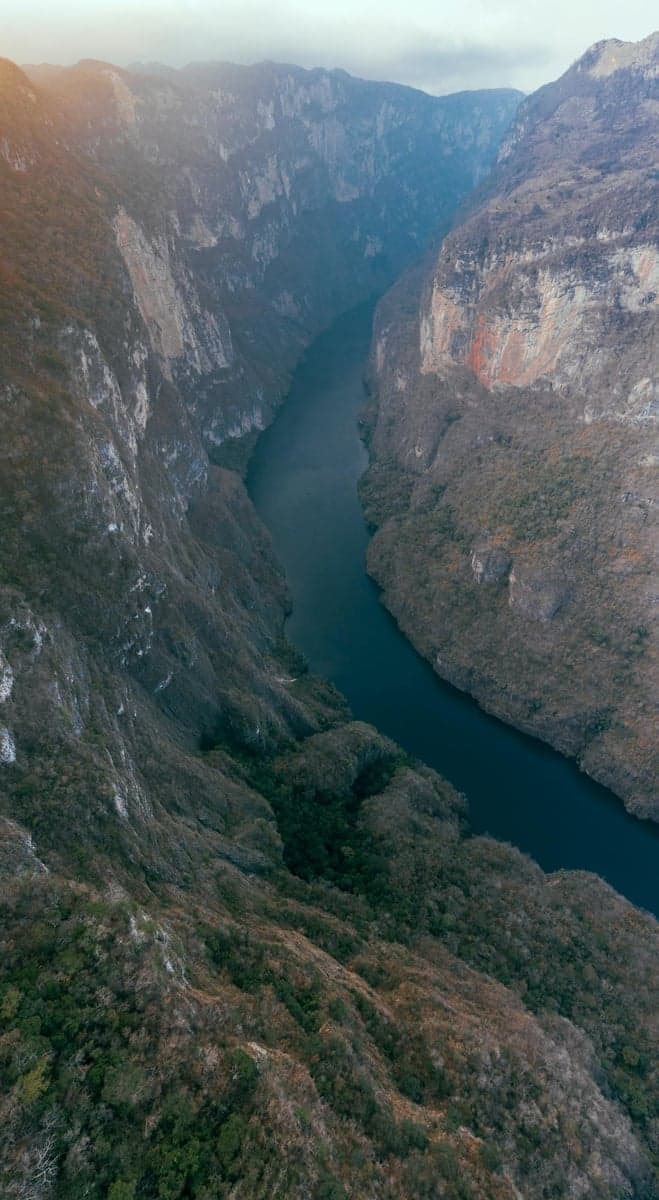
Seedskadee National Wildlife Refuge - 36 miles of Green River flowing through high desert sagebrush country
The refuge encompasses 36 miles of Green River downstream from Fontenelle Dam. U.S. Fish & Wildlife Service manages the area primarily for wildlife, but fishing is excellent.
Character: Class I floating - mellow, family-friendly, highly recommended for paddlers. Boat ramps spaced about a half-day float apart make multi-day trips easy.
Regulations: Half the refuge restricts fishing to artificial flies only.
Camping: Not allowed within the refuge, but free primitive campgrounds exist near Fontenelle Dam (15-minute drive).
Bug warning: Mosquitoes can be overwhelming late spring through early summer. Pack head nets and long sleeves.
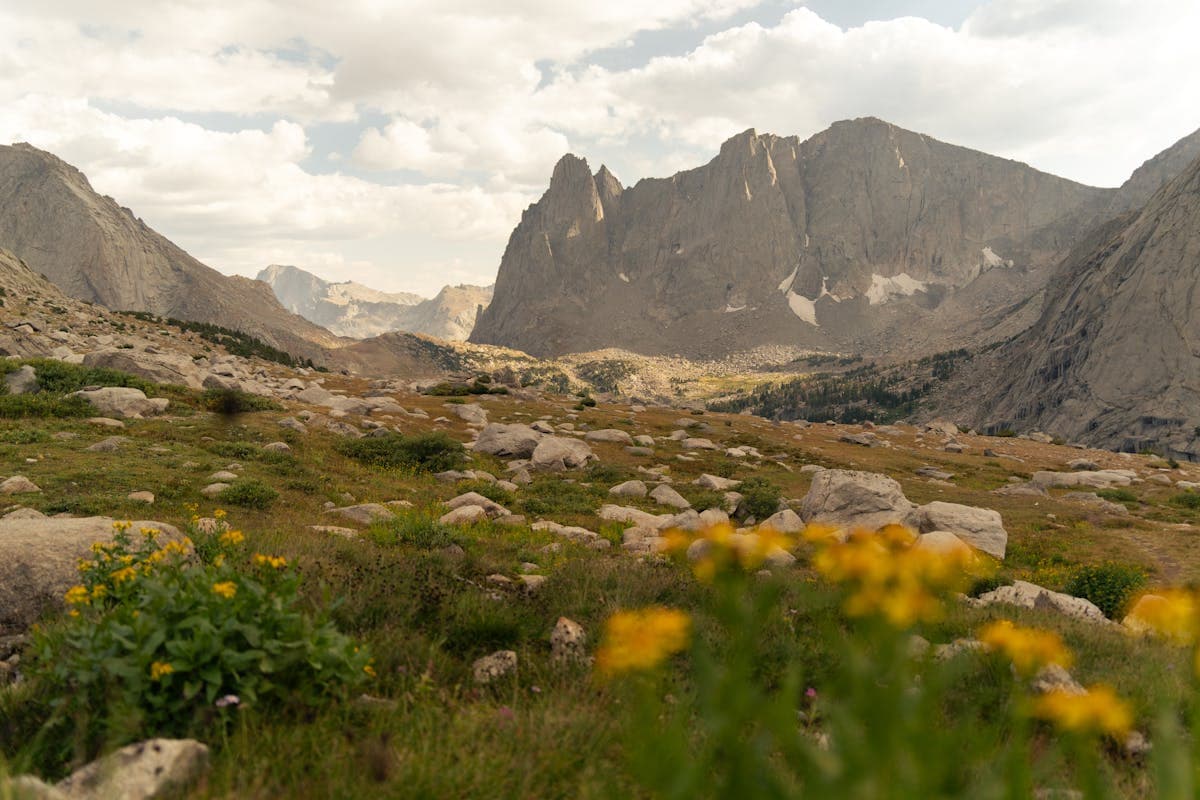
Wind River Range in summer - alpine peaks, clear waters, and over 2,300 fishable lakes
The Wind River Range contains over 2,300 lakes and ponds spread across 2.25 million acres of wilderness. This is what sets Pinedale apart from other Western fishing destinations.
Brook trout: The most common species in Wind River lakes. Eager, colorful, and abundant - perfect for introducing kids or new anglers to high-country fishing.
Cutthroat trout: Native to the region, found in many lakes and connecting streams.
Rainbow trout: Stocked in some lakes, less common than brookies and cutthroats.
Grayling: Arctic grayling were introduced to select high lakes and have established self-sustaining populations in several basins.
Golden trout: The prize. Named for their coloration - gold flanks with swaths of red and pink - golden trout exist in few places outside California's High Sierra. Wyoming Game and Fish manages over 133 alpine lakes holding golden trout, with the highest concentrations in the Wind River Range. Goldens now grow bigger in Wyoming than anywhere else on earth - the world record (28 inches, 11+ pounds) came from Cook Lake in 1948, and Wyoming continues to produce some of the largest golden trout anywhere.
Known golden trout lakes: Wyoming Game and Fish reports that Leg Lake, Thumb Lake, Windy Lake, Upper Saddlebags Lake, Lower Saddlebags Lake, Lower Tayo Lake, and Coon Lake all hold healthy golden trout populations with fish to 16-19 inches. Cook Lake is famous but Upper Cook Lake has been invaded by brook trout. Many of the better golden trout lakes are off-trail and require cross-country navigation to reach.
Fly Fisherman Magazine describes Wind River fishing perfectly: "With remote waterways and unpressured trout, Wyoming's Wind River Range is the backcountry fly angler's mecca. In the alpine lakes and streams, trout may approach a dry fly two or more at a time, and an angler can cast for days without seeing another person."
What to expect:
Tackle notes: A 4 or 5-weight rod handles everything. Pack light - you're carrying it on your back or a horse. Floating line, 9-foot leader, a small selection of dry flies and nymphs.
Titcomb Basin
Perhaps the most spectacular destination in the range. A 14-16 mile hike from Elkhart Park Trailhead leads through dense forest, flowery meadows, and past Island Lake and Seneca Lake before entering the basin - a granite cirque surrounded by 13,000-foot peaks.
Best timing: Late August to early September for weather. Mid-July through August accessible but busy with afternoon storms.
Cirque of the Towers
A ring of 12,000-foot granite peaks crowning the Continental Divide, accessed via Big Sandy Trailhead. The classic route runs 18 miles out-and-back via Big Sandy Lake over Jackass Pass.
Green River Lakes
The easiest alpine experience - you can drive to it. Two glacial lakes beneath Squaretop Mountain mark the Green River's headwaters.
Island Lake and Seneca Lake
Along the Titcomb Basin trail, these lakes offer excellent fishing with shorter hikes than going all the way to Titcomb.
Pole Creek Drainage
Tommy Lake, Peter Lake, Don Lake, and others in this drainage hold healthy brook trout populations - Wyoming Game and Fish specifically mentions these waters.
Backpacking
The most common method. Trailheads are well-marked and trails generally maintained.
Key trailheads:
Permits: Individual backpackers do not need permits for the Bridger Wilderness. Permits required for:
Camping rules:
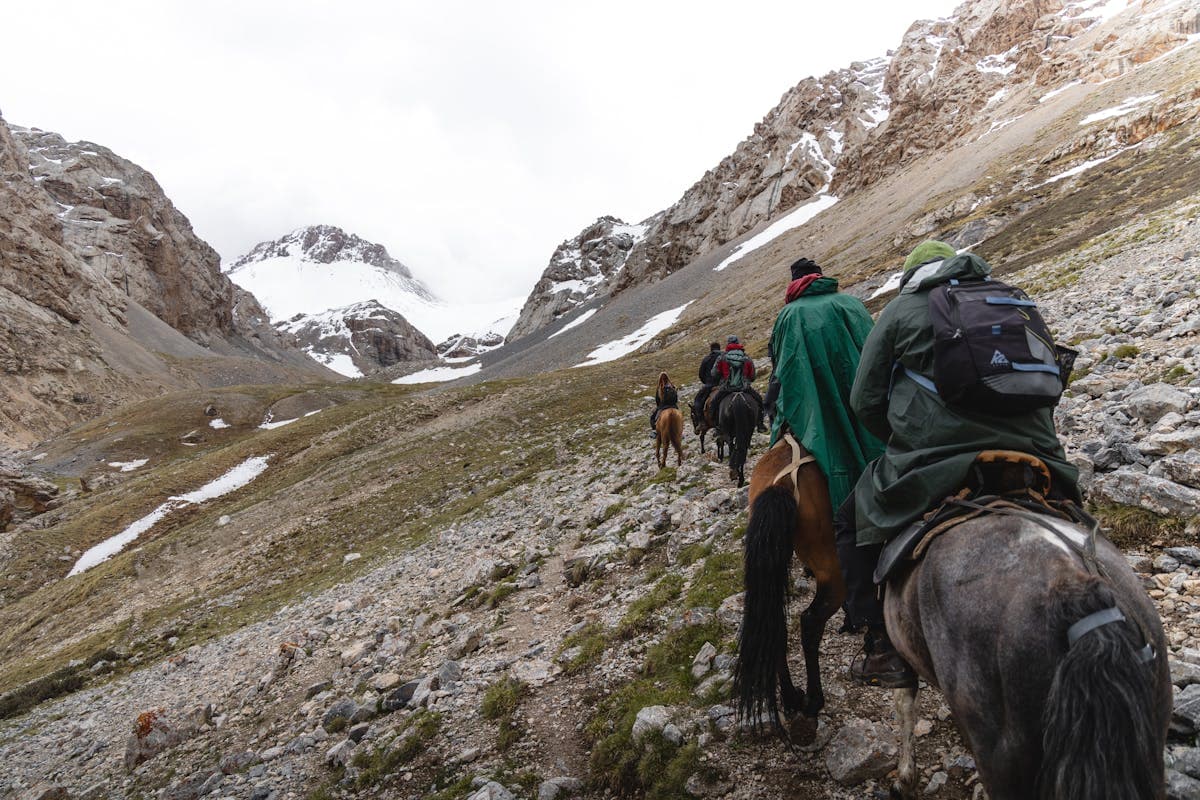
Horseback pack trips into the Wind River Range - the classic way to explore remote alpine wilderness
This is the classic way to experience the Wind River Range - ride in on horseback, let pack horses carry your gear, fish remote lakes all week. Several Pinedale outfitters specialize in these trips.
Trip Types:
| Type | Description |
|---|---|
| Base Camp | Ride to a furnished camp, spend the week fishing, hiking, and relaxing while guides handle logistics |
| Pack Trip | Move camp to different locations, pack horses carry gear |
| Drop Trip | Outfitter packs your gear in, you hike/fish independently, outfitter packs you out |
| Day Rides | Shorter horseback excursions from trailhead |
Outfitters:
What to expect: Trips range from 3 days to two weeks. Pack trips typically provide all camping gear, food, and fishing equipment. Expect to pay $400-600+ per person per day for fully outfitted trips. Drop trips are more economical if you have your own camping gear.
Wyoming Fishing License (Non-Resident, 2025):
| License Type | Cost |
|---|---|
| 1 Day | $16 |
| 5 Day | $56 |
| Season | $110 |
| Youth (under 14) | Free with licensed adult |
Purchase online at Wyoming Game and Fish or at local shops in Pinedale.
Key Regulations (Area 4):
Wind River Reservation: Anyone traveling on or within the boundaries of the Wind River Indian Reservation needs a Wind River Tribal Fishing/Trespass Permit - regardless of whether you're fishing or just hiking. The reservation boundary touches the eastern edge of the Wind River Range; verify your route doesn't cross reservation land.
Pinedale sits at 7,200 feet. Alpine destinations range from 9,000 to 12,000+ feet. Altitude sickness affects some visitors - stay hydrated, take it slow on arrival, watch for headaches and nausea.
The Winds are notorious for rapid weather changes. Afternoon thunderstorms are common July-August - expect hail, lightning, and sudden temperature drops even on bluebird mornings. Plan hikes to be below treeline by early afternoon during storm season.
Lightning: Get off ridges and open water if storms approach. Avoid isolated trees. Crouch low if caught in the open.
Both grizzly and black bears inhabit the Bridger-Teton National Forest and Wind River Range. The Bridger-Teton National Forest requires proper food storage March 1 - December 1 (extended to January 15 in northern areas).
Extended immersion leads to hypothermia even in summer. Waders recommended for river fishing. Don't underestimate cold water on float trips.
Backcountry destinations in the Winds are genuinely remote. Cell service doesn't exist. Self-rescue may be necessary. Carry first aid, navigation tools, emergency shelter, and extra food. Tell someone your itinerary.
What is the best month for fly fishing in Pinedale, Wyoming?
July and August offer the best conditions with warm weather, manageable flows, and active dry fly hatches on the Green River. September brings fall colors and fewer crowds. Check RiverReports for current Green River flow windows.
What fish can you catch near Pinedale, Wyoming?
The Green and New Fork rivers hold brown trout, rainbow trout, cutthroat trout, and mountain whitefish. Wind River Range alpine lakes offer golden trout, brook trout, and cutthroat in remote backcountry settings.
Do you need a guide to fly fish near Pinedale?
Not for the wade-accessible upper Green River, which has 26 miles of quality fly water. However, guided float trips cover more water and access private stretches. Two Rivers Fishing Company and Rendezvous Anglers are local outfitters.
RiverReports helps you time your Pinedale trip:
Track Wyoming river conditions on RiverReports Wyoming.
Airports: Jackson Hole (JAC) 77 miles/1.5 hrs; Rock Springs (RKS) 100 miles/1.5 hrs; Salt Lake City (SLC) 280 miles/4.5 hrs.
Vehicle: Essential. Most trailheads require gravel Forest Service roads. High-clearance recommended for Green River Lakes and alpine trailheads.
In town: Grocery, restaurants, gas, hospital. Two Rivers Fishing Company (see Quick Reference) is the primary fly shop.
In Pinedale:
Camping:
| Campground | Sites | Cost | Notes |
|---|---|---|---|
| Green River Lakes | 39 | $12/night | First-come first-served, fills early on summer weekends |
| Half Moon Lake | 17 | $15-25/night | Reservations at Recreation.gov, lake access |
| Fremont Lake (various) | 50+ | $15-25/night | Multiple campgrounds, marina nearby |
| Warren Bridge (BLM) | 12 areas | Free | Dispersed camping along 9 miles of river |
| Dispersed (BTNF) | Unlimited | Free | Anywhere on National Forest land outside developed sites |
Tip: If you're doing a multi-day float or alpine trip, Warren Bridge dispersed camping puts you right on the river with no fees.
Lodges and Guest Ranches:
Weekly flow updates and fishing intel.
© 2026 RiverReports, Inc.