
Jackson River
Fishable
Flow233 CFS
Trendstable
Clarityclear
Temp60°F
Hopper #6-10Ant #18-20Beetle #16-18Sulphur Parachute #16-18
| What | When | Key Numbers |
|---|---|---|
| Jackson River (tailwater trout) | Year-round; best March - November | ~280 CFS ideal wading; wild browns and rainbows |
| Smith River (wild browns) | Year-round; hatches peak May - June | Sulphurs, Hendricksons; midges year-round |
| Mossy Creek (spring creek) | April - October; Tricos Memorial Day - Halloween | Catch-and-release; free landowner permit required |
| Shenandoah NP (brook trout) | April - October | Catch-and-release only; single-hook artificial |
| New River (smallmouth) | May - October; topwater peaks June - Sept | One of the best smallmouth fisheries in the U.S. |
| South Holston (dry fly) | May - October; sulfurs peak June - August | ~8,500 trout/mile; check TVA generation |
| Guided trips | Book 2-4 weeks ahead for peak | $400-625/day (1-2 anglers) |
| Fly shop | Mossy Creek Fly Fishing | (540) 434-2444, Harrisonburg VA |
Virginia holds over 3,500 miles of trout water, split between roughly 2,900 miles of wild trout streams and 600 miles of stocked water. The state sits at a geographic crossroads: cold, steep Appalachian freestones in the west, limestone spring creeks in the Shenandoah Valley, and two of the East Coast's best tailwaters in the Jackson and Smith Rivers. Add the native brook trout streams of Shenandoah National Park, an outstanding smallmouth fishery on the New River, and easy access from Washington, D.C. (about 90 minutes to the Shenandoah Valley), and you have one of the most underrated fly fishing states in the country.
The variety is what sets Virginia apart. You can fish a technical spring creek in the morning, float a tailwater for big browns in the afternoon, and chase native brookies in a mountain stream the next day, all within a two-hour drive.
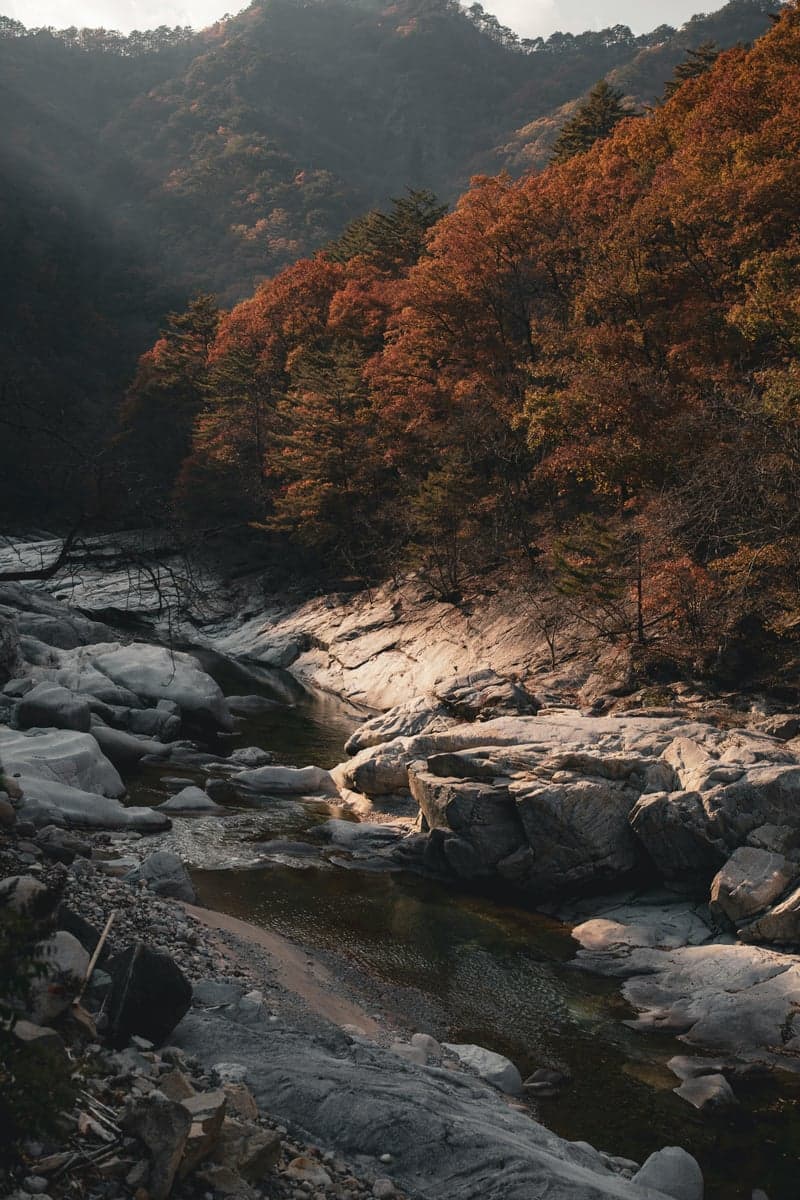
A river flowing through a rocky Appalachian gorge in autumn, typical of Virginia's Blue Ridge mountain streams
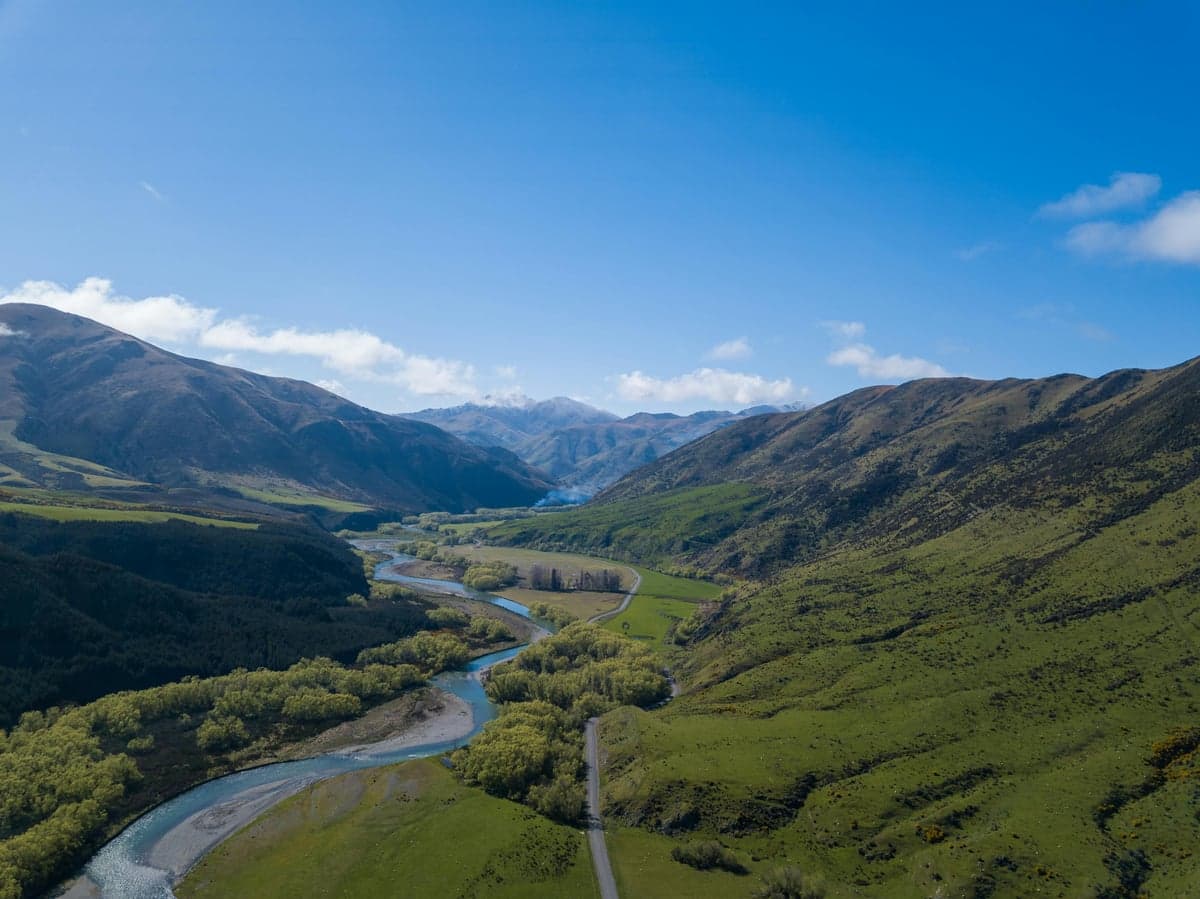
The Jackson River below Gathright Dam is widely considered Virginia's best wild trout stream. Cold releases from Lake Moomaw create 18 miles of legally navigable tailwater holding self-sustaining populations of rainbow and brown trout, some pushing well past 20 inches.
Access: Six public access points between Johnson Springs and Covington. Popular float: Johnson Springs to Smith Bridge or Indian Draft. The best wade access is upstream of the scenic trail parking lot at Petticoat Junction (cross the road and walk about half a mile down the trail). You need a National Forest Use Permit ($4) since most ramps sit within the George Washington National Forest.
Flows: Around 280 CFS is ideal for wading. Winter and early spring releases often run too high for wading, so floating is the better option during those months. Track current flows on RiverReports.
What works: Streamers produce the biggest fish year-round, especially Woolly Buggers, Sculpins, and Muddler Minnows in sizes 4-8. Spring brings good Hendrickson, Blue Quill, and BWO hatches. Nymph rigs with Pheasant Tails and Copper Johns are the everyday approach.
Access note: Some riverfront landowners have brought successful trespass claims against anglers. Stick to public access points or get permission from landowners before crossing private land.
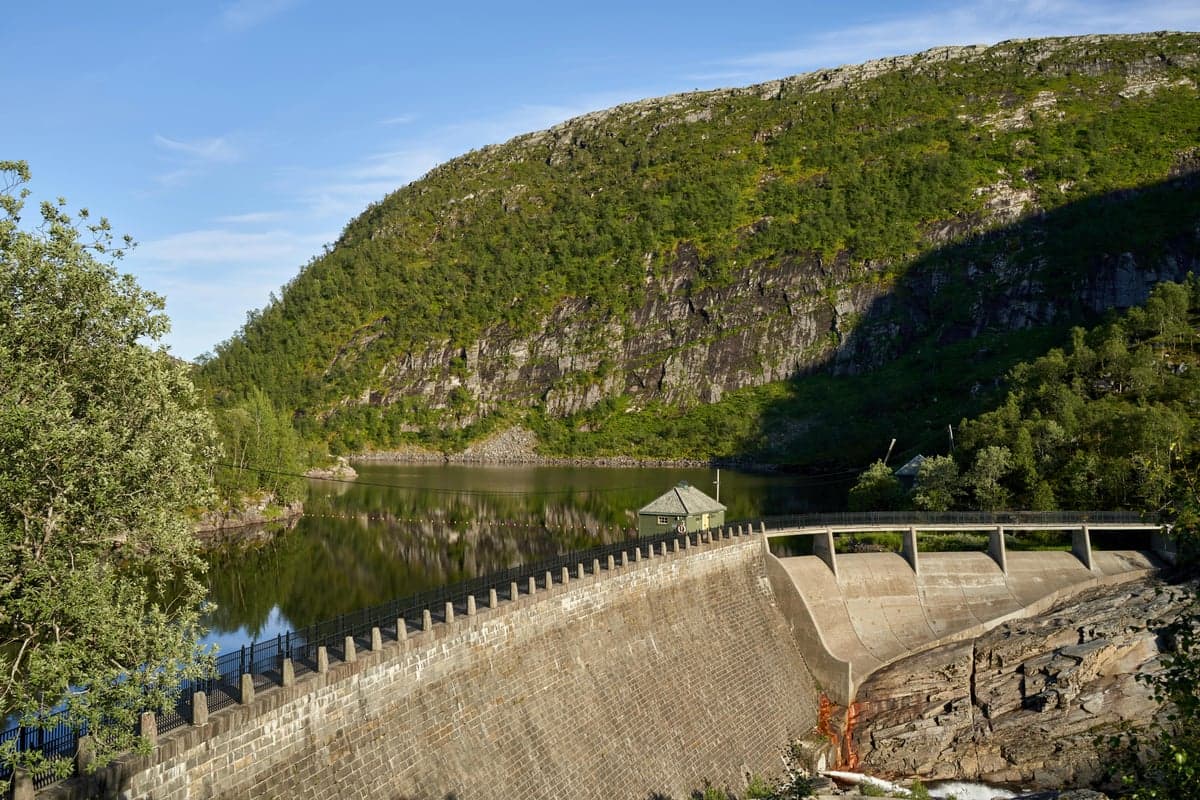
Mountain dam and reservoir, similar to Gathright Dam on the Jackson River, which creates Virginia's premier tailwater fishery
The Smith River below Philpott Dam has a legitimate claim as the best wild brown trout stream east of the Mississippi. Cold bottom-release water from the dam keeps temperatures in the low 50s even in summer, supporting a dense population of browns with fish regularly exceeding 20 inches.
Location: Near Bassett in Henry County, southwestern Virginia. From I-81 south, take Route 8 to Route 57 east.
Hatches: The Smith's hatch calendar revolves around a few key events:
Techniques: Streamers are arguably as important as midges here. During high water or off-color conditions, Sculpin imitations, small Crawfish patterns, and Woolly Buggers in sizes 2-10 produce the biggest browns. For dry fly fishing, April is the best month for beginners. May and June are prime for experienced anglers willing to match finicky sulphur feeders.
Mossy Creek is Virginia's answer to the famous Pennsylvania spring creeks. This limestone-fed stream meanders about eight miles from its springhead near Mt. Solon to the North River, flowing through open pastureland in the Shenandoah Valley. The creek is stocked with fingerling brown trout each fall, and the fish that survive a few years become as selective and challenging as any wild trout.
Access: A four-mile public section exists thanks to a partnership between local landowners, Trout Unlimited, and Virginia DWR. You need a free signed landowner permission card (available online from Virginia DWR or at the Verona Regional Office). Parking at Mossy Creek Presbyterian Church or at the junction of Routes 42 and 747.
Regulations: Catch-and-release, single-hook artificial lures only.
When to fish: Mid-April through October. Larger BWOs and Sulphurs appear by mid-April. Trico hatches usually start around Memorial Day and can last until Halloween, making summer the dry-fly season Mossy Creek is most famous for. Terrestrials (hoppers, beetles, ants) work well through summer and early fall.
The secret: Fish Mossy Creek after heavy rain. High, cloudy water pulls big browns out of undercut banks and onto shallow moss beds, where they chase large streamers in the 4-6 inch range. On clear, low-water days, expect to crouch, crawl, and present with surgical precision.
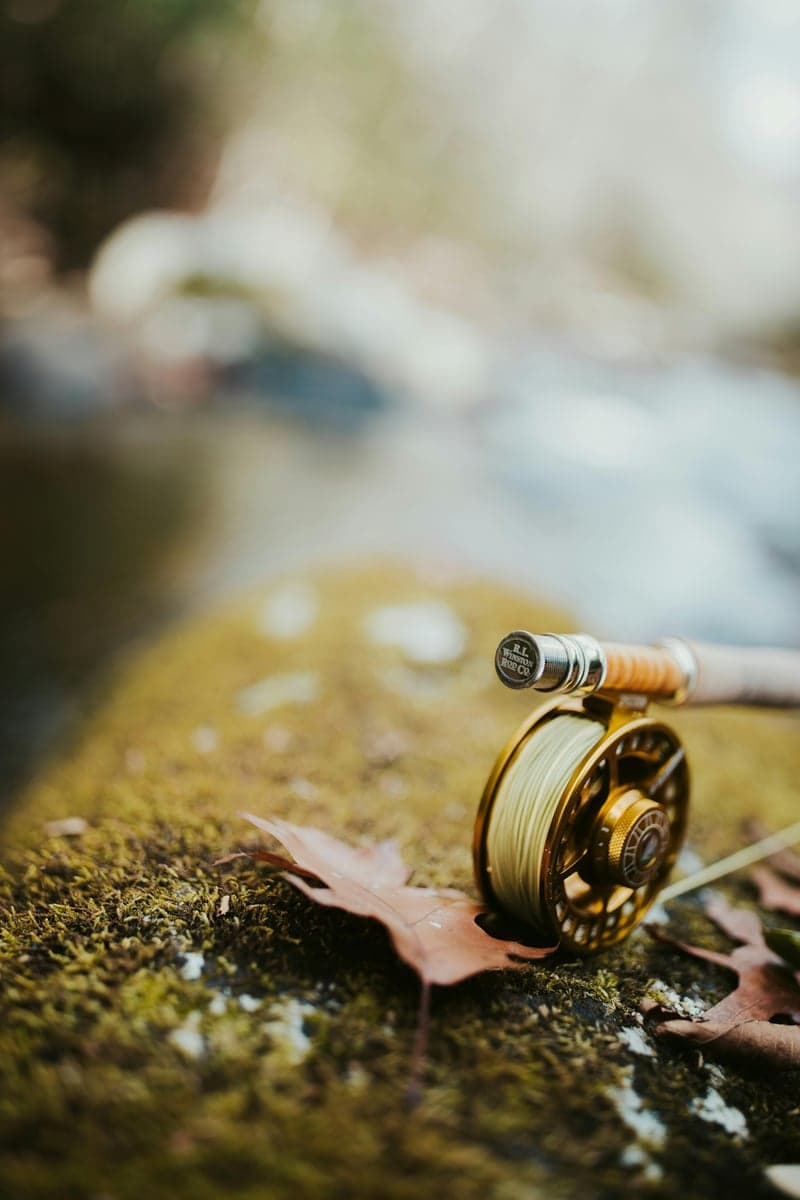
Fly rod and reel resting on a mossy rock beside a calm stream, the kind of scene you will find on Mossy Creek
Shenandoah National Park holds a vast network of small mountain streams that are home to Virginia's native brook trout. The Rapidan River is the crown jewel, widely regarded as the best wild brook trout stream in the state and one of the best on the East Coast.
What to expect: Most brook trout run 7-9 inches, with the occasional fish pushing 10 inches. In these small streams, that is a trophy. The fishing is more about the experience: hiking into remote hollows, reading pocket water, and catching wild fish that have never seen a hatchery.
Regulations: All Shenandoah National Park streams are catch-and-release with single-hook artificial lures only. No bait, no treble hooks.
Gear: A 7-foot 3-weight rod is ideal. Short, accurate casts matter more than distance. Attractor dry flies like Elk Hair Caddis (#14-16), Parachute Adams (#14-16), and Royal Wulffs (#12-14) cover most situations. An Ausable Wulff or Mr. Rapidan pattern, designed specifically for these waters, is worth carrying.
Best streams: The Rapidan River (within the park) is the most popular and productive. Other strong options include the Rose River, Hughes River, and Staunton River. Some of the best streams of Shenandoah National Park require hikes of a mile or more, which keeps pressure low.
Season: April through October. Water temps climb in summer, so fish early morning. Fall brings lower water and beautiful foliage, but brook trout are spawning by October, so handle fish carefully or switch to a different stream.
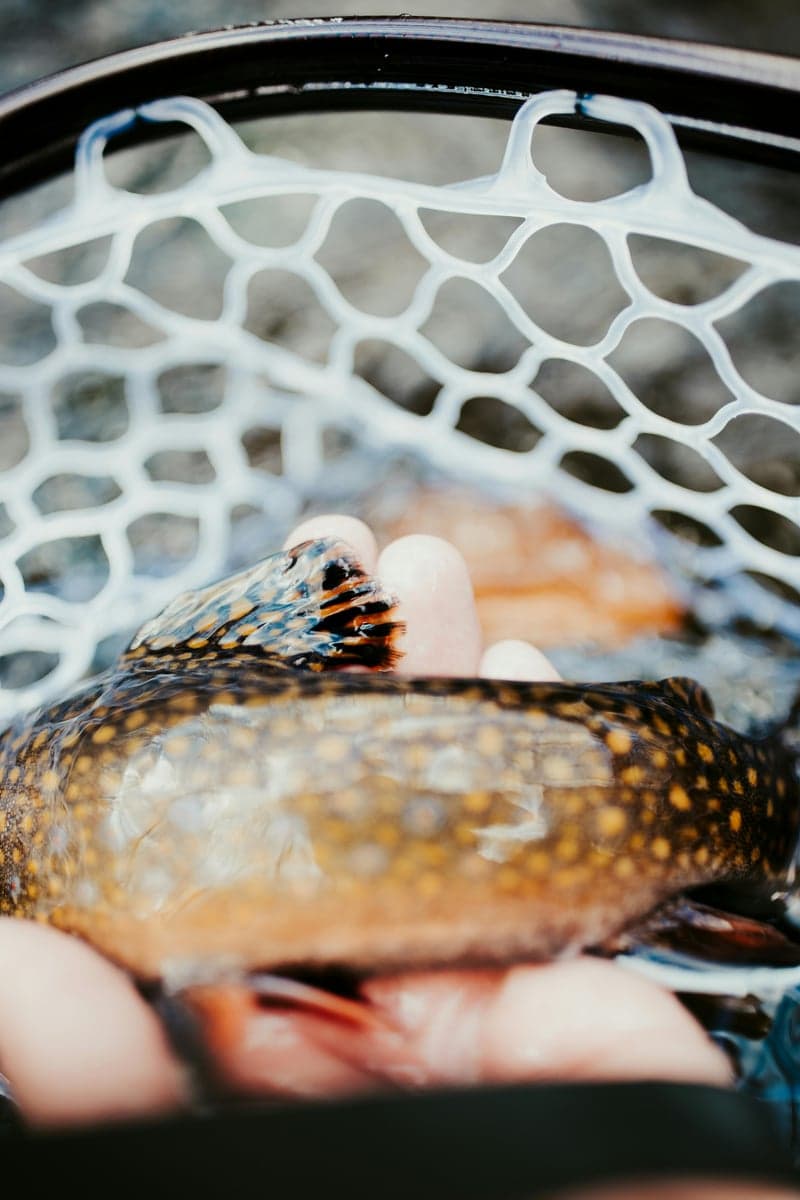
A brook trout showing its distinctive dotted pattern, the kind of native fish found in Shenandoah's mountain streams
The South Holston (the "SoHo") straddles the Virginia-Tennessee border near Bristol. While most of the fishable tailwater sits in Tennessee, it is a must-know river for Virginia-based anglers. The SoHo holds roughly 8,500 trout per mile, mostly wild brown trout, making it one of the densest trout fisheries in the Southeast.
The draw: Legendary sulphur hatches from May through October. On summer evenings, the water surface fills with mayflies and rising trout. The hatch can be technical: long leaders (12-15 feet), light tippet (6X or 6.5X), and drag-free drifts are the price of admission.
Year-round hatches:
Flows: The SoHo is a TVA tailwater, and flows depend entirely on generation schedules. Check the TVA generation schedule before driving. Low or no generation is best for wading. One generator running makes for good drift boat water.
Guided trips: Several outfitters run the SoHo. Trophy Water Guide Service and Southern Appalachian Anglers both specialize in this river.
Whitetop Laurel, flowing into the town of Damascus in southwest Virginia, made Trout Unlimited's list of America's 100 best trout streams. It is a large, freestone mountain stream holding wild rainbow and brown trout, plus stocked fish in designated sections.
Species: Wild rainbows (most 9-11 inches), wild browns (larger), and brook trout in upper reaches. Stocked fish run 10-14 inches.
Regulations: The special regulation sections are catch-and-release, single-hook artificial lures only. Two Category A stocked sections are stocked eight times per season (October through May).
Access: From I-81 south, take Exit 29 (Glade Spring) to Route 91 east toward Damascus. The creek flows along Route 58 east from Damascus and is easily accessed from the road. The Virginia Creeper Trail parallels portions of the creek.
Note: As of 2026, Whitetop Laurel and Straight Branch are not being stocked due to construction along the Virginia Creeper Trail following Hurricane Helene damage. The wild trout populations remain intact and fishable.
Flies: Winter nymphing with stonefly nymphs, caddis larvae, and Pheasant Tails is the standard approach. Spring and summer bring caddis and mayfly hatches. Attractor dries work well in pocket water.
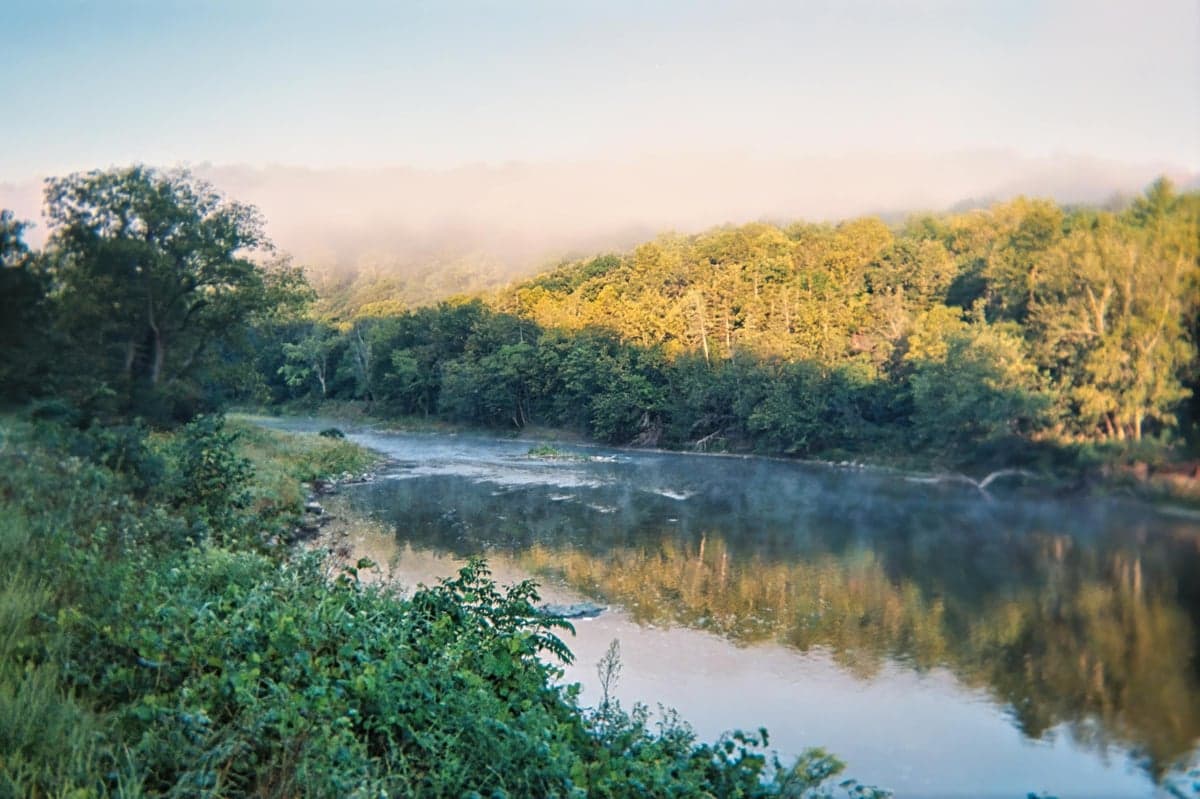
Early morning mist rising off a forested river at sunrise, a scene common on Virginia's mountain trout streams
The New River is one of the oldest rivers in the world, flowing northward for roughly 360 miles, with 160 miles winding through Virginia's mountains before crossing into West Virginia. It is consistently ranked among the best smallmouth bass fisheries in the nation.
Best season: May through October. Topwater fishing peaks June through September, when poppers and Gurglers provoke explosive strikes. Subsurface, Crawfish patterns and Clouser Minnows work year-round.
Float trips: Most guided floats cover 6-9 miles and last 8-10 hours. New River Fly Fishing in Floyd offers full-day floats for $600 (1-2 anglers). Appalachian Outdoor Adventures in Pearisburg has over 30 years of experience guiding the New River for smallmouth and musky.
Wading: The New has plenty of wadeable riffles and shoals, but floating lets you cover far more productive water. If wading, focus on gravel bars, rock ledges, and current seams near deeper pools.
Bonus species: Musky, walleye, and rock bass are all present. Some guides specifically target musky on the New with large articulated streamers.
The South Fork of the Shenandoah River holds one of the highest smallmouth catch rates in Virginia. It is a beautiful, wide river flowing through the Shenandoah Valley with easy access from Front Royal (about 75 miles from D.C.).
Techniques: Morning and evening topwater with poppers and sliders. Midday, switch to Crawfish patterns, Woolly Buggers, and Clouser Minnows fished along structure. The river also holds largemouth bass, channel catfish, and panfish.
Paddling: Multiple outfitters rent canoes, kayaks, and rafts on the Shenandoah. Front Royal Outdoors and Downriver Canoe Company offer self-guided trips ranging from 3 to 40 miles, and Murray's Fly Shop in Edinburg runs guided fly fishing floats.
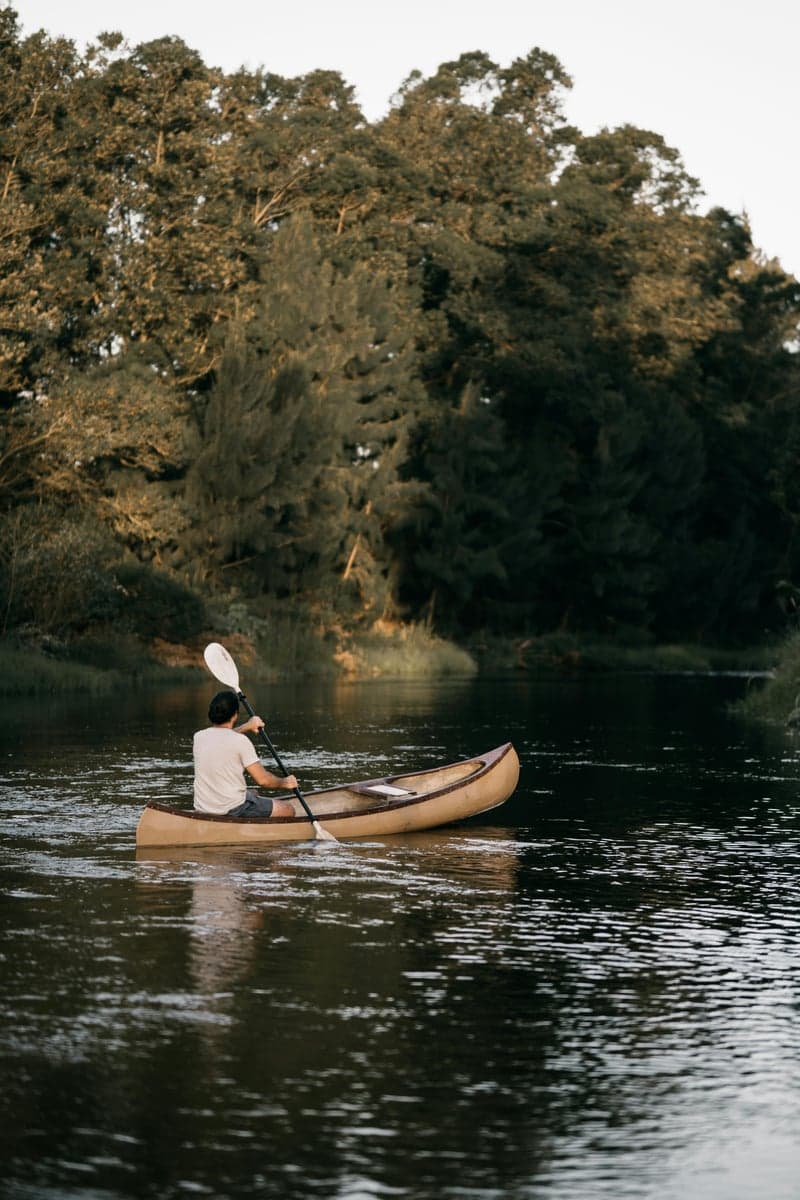
Canoeing a calm, tree-lined river, a popular way to access Virginia's bass waters on the Shenandoah and New Rivers
Virginia's diverse geography means something is fishable in every month, but conditions vary widely by water type.
The best time to be on Virginia water. Hendricksons appear on the Jackson and Smith Rivers in March and April. Sulphurs begin on the Smith by early May and build through June. Mountain freestones clear from winter runoff by mid-April, and brook trout become active. Mossy Creek's larger BWO and Sulphur hatches kick off in mid-April.
Smallmouth bass start moving into shallows as water temps hit the mid-50s, usually by late April. The Shenandoah River's shad run (March through May) offers a bonus fishery on the Rappahannock River near Fredericksburg.
Sulphur hatches dominate the Smith River and South Holston through summer. The Jackson River fishes well year-round thanks to cold dam releases. Mountain freestones warm by July, so fish early morning or target higher-elevation streams. Mossy Creek's Trico hatch provides morning dry-fly action from Memorial Day through Halloween.
Smallmouth bass fishing peaks. Topwater poppers on the New River and Shenandoah at dawn and dusk are about as fun as fly fishing gets.
Fall colors and lower crowds make this an ideal time. Brown trout become aggressive pre-spawn, chasing streamers on the Jackson and Smith. Brook trout spawn in October, so handle them gently. Bass fishing slows but remains productive with subsurface patterns.
Virginia's tailwaters fish year-round. The Jackson and Smith both hold fish through winter, though midges and small nymphs are the primary tools. The SoHo's midge fishing can be excellent on mild winter days. Mountain freestones are generally too cold and low to be productive, though some committed anglers find willing fish on warmer afternoons.
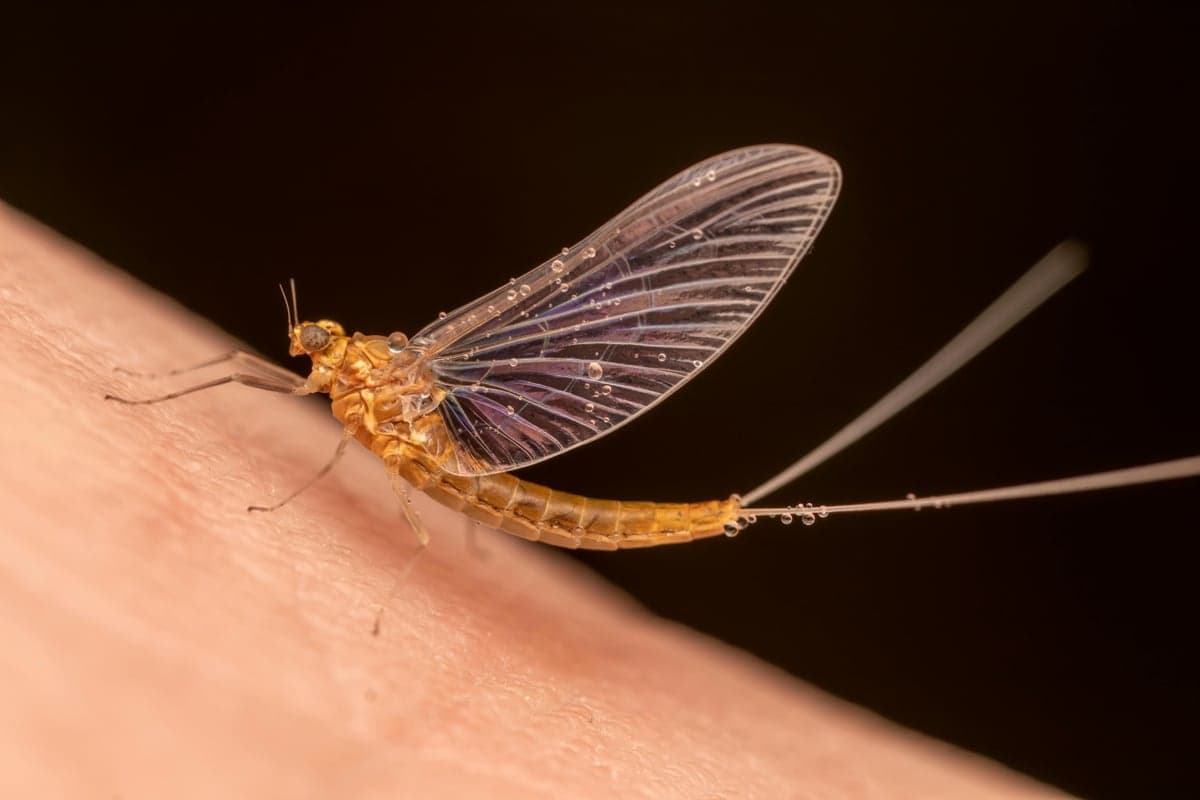
Macro shot of a mayfly, the kind of insect that drives Virginia's most productive hatches from spring through fall
Virginia's trout fishing regulations are more complex than most states, with multiple water categories and seasonal rules. Here are the essentials:
License requirements: Anyone 16 or older needs a Virginia freshwater fishing license. A trout license is required from October 1 through June 15 on designated stocked trout waters (you can fish stocked waters without the trout license from June 16 through September 30). Fishing in the George Washington and Jefferson National Forests requires a National Forest Stamp. Non-resident annual freshwater license runs about $47, and the trout license is $23 (Virginia DWR).
Special regulation waters: Many of Virginia's best streams (including Mossy Creek, sections of Whitetop Laurel, and Shenandoah National Park streams) are catch-and-release with single-hook artificial lures only. Some require a free landowner permission card, available online.
Delayed harvest waters: Certain stocked streams follow delayed harvest rules: catch-and-release with artificial lures only from October 1 through May 31, then standard harvest rules from June 1 through September 30. Streams across the state participate, including sections near Roanoke and in the Jefferson National Forest.
General trout limits: On standard stocked waters, the daily creel limit is six trout, seven-inch minimum. Always check the current Virginia fishing regulations for the specific water you plan to fish.
Virginia has a strong network of fly shops and outfitters covering every major fishery:
Mossy Creek Fly Fishing (Harrisonburg) is Virginia's largest freshwater fly fishing guide service. They run wade trips on mountain streams and spring creeks, plus float trips on the James and Shenandoah Rivers for bass. Phone: (540) 434-2444.
Murray's Fly Shop (Edinburg) has been operating since 1962, making it one of the oldest fly shops in the state. They specialize in instruction-focused guide trips on the Shenandoah River and area mountain streams. Full-day wade or float trips start at $475 for 1-2 anglers (lunch, flies, and gear included).
Wesley Hodges Fly Fishing (Eagle Rock) runs guided float and wade trips on the Jackson River, New River, and James River. Full-day trips run $625 per boat. They also offer all-inclusive lodge packages starting at $1,475 for a 2-night/1-day single occupancy stay with fishing, meals, and lodging included.
New River Fly Fishing (Floyd) specializes in New River smallmouth floats ($600/day), Smith River trout trips ($550/day float, $400 half-day wade), and private water trophy trout trips ($625/day). Gear included.
Two Guys Flies focuses on the Smith River tailwater, with detailed local knowledge of the hatch calendar and seasonal patterns.
The Omni Homestead Resort (Hot Springs) is an Orvis-endorsed fly fishing lodge with over four miles of private, catch-and-release water. The Cascades section features a limestone creek dropping through 13 waterfalls over a 350-foot vertical gorge.
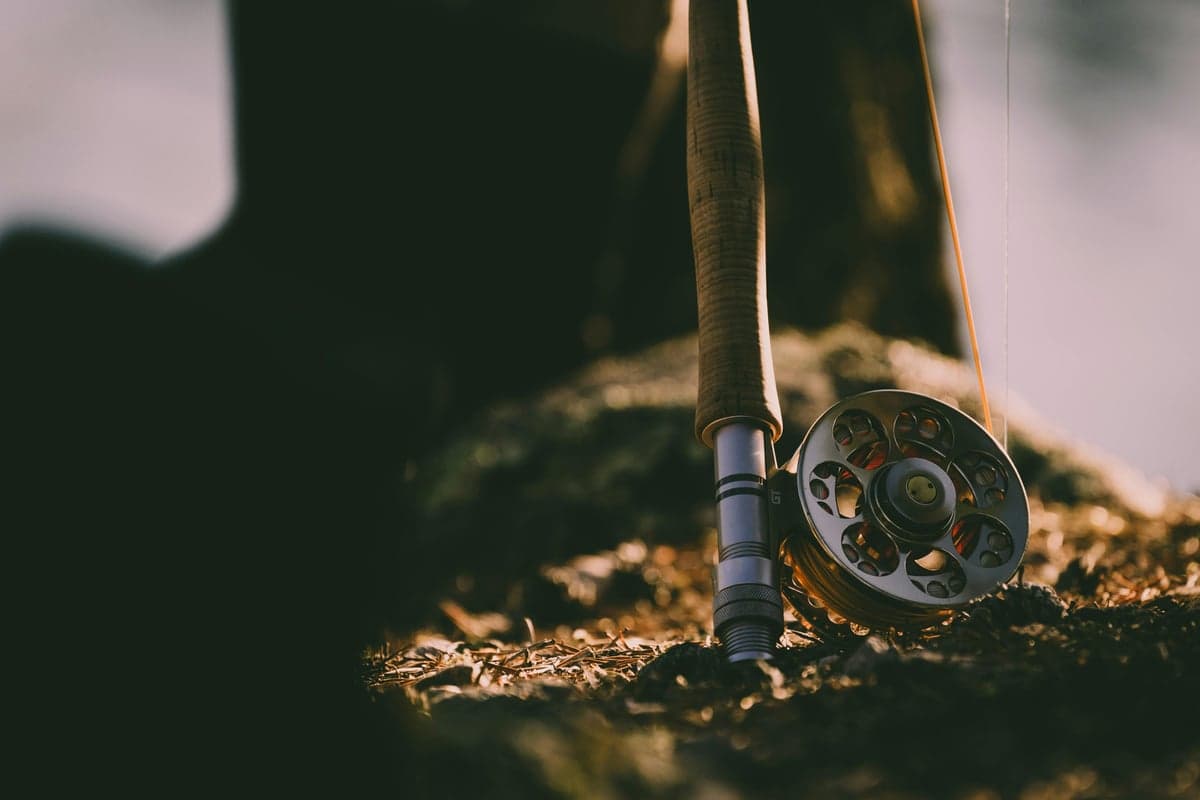
Vintage-style fly rod and reel on autumn ground, ready for a day on Virginia's trout waters
Virginia's rivers serve paddlers of every skill level, from calm Shenandoah floats to serious whitewater on the James and New Rivers.
New River: The 37-mile New River Water Trail cuts through a gorgeous Appalachian valley and can be broken into segments by difficulty. Great for combining fishing and paddling.
Shenandoah River: Gentle Class I-II water ideal for beginners and families. Multiple outfitters in Front Royal and Luray rent canoes, kayaks, and rafts for self-guided trips. Shenandoah River Outfitters in Luray and Front Royal Outdoors in Front Royal are both well-established operations.
James River: The upper James from Iron Gate to Snowden Dam offers over 100 Class I rapids and about 20 Class II rapids, making it a solid intermediate run. The lower James near Richmond has legitimate whitewater through the city.
Whitetop Laurel Creek: In addition to being a top trout stream, the 12-mile section between Creek Junction and Damascus is a popular kayaking run through scenic mountain terrain.
Maury River: Near Lexington, the Maury is a favorite among Virginia whitewater paddlers with several named rapids and easy shuttle logistics.
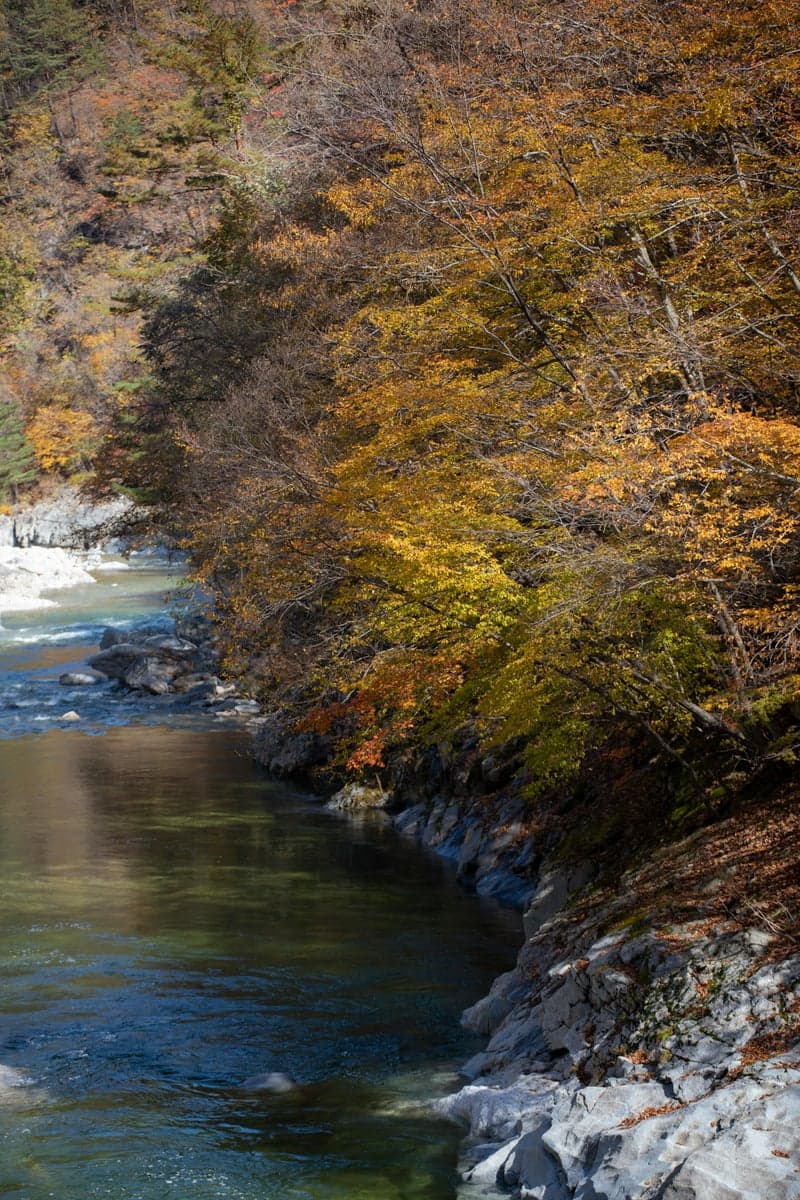
Autumn foliage along a peaceful riverbank, the kind of scenery that makes a fall fishing trip to Virginia special
Virginia's trout waters are concentrated in the western part of the state along the Blue Ridge Mountains and Shenandoah Valley. From Washington, D.C., the Shenandoah Valley is about 90 minutes via I-66. The Jackson River near Covington is about three hours from D.C. The Smith River near Bassett is about four hours from D.C. but only two hours from Raleigh-Durham. Southwest Virginia (Damascus, South Holston) is about five hours from D.C. but accessible from Knoxville or the Tri-Cities area.
Historic small-town main street, typical of the mountain communities near Virginia's best fishing waters
Track real-time conditions on all of Virginia's major rivers through RiverReports. Check flows before driving to the Jackson River or Smith River tailwaters, where water levels can change quickly based on dam releases. Compare current flows to historical averages to gauge whether a river is running high, normal, or low.
For the generation-dependent tailwaters (Jackson, Smith, South Holston), pair RiverReports flow data with the dam operator's generation schedule to find the best wading or floating windows.
Virginia has over 3,500 miles of trout water, including top-tier tailwaters on the Jackson and Smith Rivers, limestone spring creeks like Mossy Creek, native brook trout in Shenandoah National Park, and one of the best smallmouth fisheries in the nation on the New River.
Yes. The Jackson River tailwater holds wild browns and rainbows over 20 inches, the Smith River below Philpott Dam is considered one of the best wild brown trout streams east of the Mississippi, and Mossy Creek offers technical spring creek fishing. Virginia's trout season runs year-round on tailwaters.
Weekly flow updates and fishing intel.
© 2026 RiverReports, Inc.