Flows at 271 CFS and rising—up significantly from 208 CFS last week after heavy rains hit the Arkansas Valley late this week (Royal Gorge Anglers August 24). Twin Lakes augmentation continues releasing via Fry-Ark project since August 6 to stabilize flows through fall brown trout spawn. Upper basin water remains crystal clear at 3+ ft visibility despite rains—long leaders (12-14') and 5X-6X fluorocarbon tippet mandatory. Water temps 56-63°F—Orvis reporting 63°F midday (August 25). Temps cooling significantly with no Hoot Owl restrictions. Best fishing windows 7am-1pm and 6pm-dark. Hoppers (#10-12) remain the dominant surface pattern—aggressive takes along grassy banks. Bionic Hopper (#12) in tan and purple generating aggressive takes per Fly Fish Food. Chubby Chernobyl (#12-16) in gold, royal, and tan the go-to top fly in dry-dropper rigs. Craneflies (#10-12) effective surface pattern. Red quills (#12-14) strong. Tricos (#22-24) producing early morning spinner falls. Fall BWOs (#18-20) increasing—Pseudocloeon baetis building per Royal Gorge Anglers (August 24). PMDs (#16-18) sporadic but present. Summer caddis active—Corn-fed Caddis CDC (#20) in tan and olive a standout. Bionic Ant 2.0 (#16) in black effective as a terrestrial. Perdigons (#18-20), Quildigons (#18-22), Full Metal Jacket (#14-16), and Iron Sally (#12-14) top-producing nymphs. Target fast riffles and pocket water with higher oxygen content. Exceptional wade-fishing access at current flows. Rising flows from rain may reduce clarity temporarily—monitor conditions.
Flows at 222 CFS and rising—up significantly from 172 CFS last week after heavy rains caused flash flooding and debris flows in the lower basin (Royal Gorge Anglers August 24). Water dirty with significant discoloration in Bighorn Sheep Canyon and lower sections—clarity should return within a few days per Royal Gorge Anglers. Serious debris jams and deposits at confluence of Badger Creek with additional logjams downstream per Orvis (August 25). Water temps 60-66°F—cooling trend continues, no current Hoot Owl restrictions. Consider fishing upper basin sections (Salida and above) until clarity returns in the lower basin. If fishing below Wellsville, streamers are the best option in stained water—Woolly Bugger (#4-8), Dirty Hippie, Double Gonga at dawn and dusk. Bionic Ant 2.0 (#16) in black effective as a terrestrial in slightly clearer pockets. Tiltwing Mahogany (#12-14) in rust effective when conditions allow per Orvis (August 25). Tricos (#22-24) producing sporadic spinner falls in calmer sections. Fall BWOs (#18-20) beginning to appear. Less pressure than Salida-BV corridor. Practice responsible catch-and-release: wet hands, barbless hooks, minimize handling time, revive fish in current.
Flows at 279 CFS and rising—up from 249 CFS last week after heavy rains across the Arkansas Valley (Royal Gorge Anglers August 24). Browns Canyon section maintaining clear to slightly stained conditions—upper basin weathering the rain event better than the lower basin. Water temps 57-64°F—most comfortable section in the system for trout; cooling trend with no Hoot Owl restrictions. Both float and wade fishing productive at current flows. Hoppers (#10-12) generating aggressive takes along grassy banks—the headline pattern. Bionic Hopper (#12) in tan and purple also producing well per Fly Fish Food. Chubby Chernobyl (#12-16) in gold, royal, and tan effective as attractor dries and dry-dropper indicators. Craneflies (#10-12) effective surface pattern. Red quills (#12-14) strong. Tricos (#22-24) in early morning spinner falls. Fall BWOs (#18-20) increasing—transition from summer to fall insect mix underway. PMDs (#16-18) sporadic midday. Summer caddis still active. Bionic Ant 2.0 (#16) in black an effective terrestrial. Iron Sally (#12-14) and Weiss' BP Perdigon (#18-20) top subsurface producers. Dry/double dropper the dominant rig per Royal Gorge Anglers: bushy foam dry up top, heavier attractor nymph (Iron Sally or Full Metal Jacket) in the middle, smaller Perdigon or Quildigon trailing. Best fishing windows 7am-1pm and 6pm-dark. Twin Lakes augmentation continues stabilizing the system through drought. 5X-6X fluorocarbon tippet and 12-14' leaders in clear water.
🎣 TACTICS RIGHT NOW
Dry Fly
Hopper #10-12 (dominant pattern—aggressive takes along grassy banksprimary dry fly across all sections)Bionic Hopper #12 in tan/purple (generating aggressive takes per Fly Fish Food)Chubby Chernobyl #12-16 in gold/royal/tan (doubles as hopper and dry-dropper indicator—the go-to top fly per Orvis August 25)Stimulator #14-18 (strong attractor in riffles and pocket water)PMX #14-16 (versatile foam dry)Flying Ant #16-18 (reliable terrestrial generating opportunistic surface feeds)Bionic Ant 2.0 #16 in black (effective terrestrial)Cranefly #10-12 (effective surface pattern per Royal Gorge Anglers August 24)Red Quill #12-14 (consistent producer in slower runs)Trico #22-24 (early morning spinner falls)Extended Body BWO #18-20 (fall BWOs increasing—Pseudocloeon baetis building per Royal Gorge Anglers August 24)Pale Morning Dun #16-18 (sporadic midday—past peak but present)Tiltwing Mahogany #12-14 in rust (effective in lower basin per Orvis August 25)Puterbaugh Caddis #14-18 (black/tan/yellow—summer caddis still active)Corn-fed Caddis CDC #20 in tan/olive. Clear water in upper basin demands 5X-6X tippet and long leaders (12-14'). Dry/dropper and hopper-dropper the focal methods. Lower basin (Canon City) currently dirty from flash flooding—fish upper sections or use streamers below.
Nymph
Perdigon #18-20 (top producing nymph across all sections)Weiss' BP Perdigon #18-20 (standout subsurface producer)Olsen's Quildigon #18-22Iron Sally #12-14 (golden stonefly nymph imitation—still a top producer)Full Metal Jacket #14-16Thread Frenchie #14-18Duracell #14-16Beadhead Pheasant Tail #14-20 (Natural—effective across all sections per Orvis August 25)Flashback Pheasant Tail #18-20Zebra Midge #18-22 (early mornings before hatches start)Caddis Larva #16-18. Dry/double dropper the dominant rig per Royal Gorge Anglers (August 24): bushy foam dry up topheavier attractor nymph (Iron Sally or Full Metal Jacket) in the middlesmaller Perdigon or Quildigon trailing. Target fast riffles and pocket water with higher oxygen content. Flows rising across the system (222-279 CFS) after heavy rains—fish adjusting to increased water. In the upper basin (clear water)fish holding in deeper runs and seams. Lower basin dirty—nymphing less effective until clarity returns. 5X-6X fluorocarbon tippet; clear water demands longer leaders (12-14').
Streamer
Woolly Bugger #4-8 (black/olive)Near Nuff Sculpin #4-6Dirty HippieDouble GongaPine Squirrel Leech #12Crystal Bugger #8-10. Streamers especially effective in the Canon City section right now—dirty water from flash flooding gives streamer anglers an advantage per Royal Gorge Anglers (August 24). Dawn and dusk remain the primary window in clear upper basin sections. Canon City section with debris jams creating new holding water and ambush points. Rising flows slightly reducing spookiness compared to last week's lower water. Cooling trend extending the streamer window—still avoid mid-afternoon hours on hot days.
Best fishing windows: 7am-1pm and 6pm-dark per Orvis (August 25). Cooling trend easing the midday heat crunch—no current Hoot Owl restrictions—but still avoid 2pm-5pm on hot afternoons. Lower basin (Canon City) currently dirty from flash flooding—fish upper sections (Salida, Wellsville) for best conditions. Nymph deep at first light with Perdigons, Iron Sallies, and Full Metal Jackets. Transition to dry-dropper by 8-9am as hoppers, red quills, craneflies, and residual PMDs come off. Hoppers, Bionic Hoppers, and Bionic Ants primary terrestrial patterns 9am-1pm along grassy banks. Tricos in early morning spinner falls. Fall BWOs (#18-20) increasingly active—the summer-to-fall insect transition is underway. Strong uptick in evening activity from 6pm to dark across upper basin sections. Flows rising across the system (222-279 CFS) after heavy rains—still excellent wade-fishing access. Precise presentations and 5X-6X fluorocarbon tippet with 12-14' leaders critical in clear upper basin water.
FORECASTFlows rising across the system after heavy rains: Salida 271 CFS, Wellsville 279 CFS, Canon City 222 CFS, Granite 137 CFS (Royal Gorge Anglers August 24). Major development: heavy rains caused flash flooding and significant discoloration in the lower basin (Canon City/Bighorn Sheep Canyon)—debris jams at Badger Creek confluence per Orvis (August 25). Upper basin (Salida and above) maintaining clear conditions. Clarity in the lower basin should return within a few days per Royal Gorge Anglers. 2026 remains one of Colorado's worst drought years on record, but the rain is welcome relief. Twin Lakes augmentation continues via Fry-Ark project since August 6, keeping flows stabilized system-wide. Key positive: cooling trend with no Hoot Owl restrictions and water temps improving—Salida 56-63°F, Wellsville 57-64°F, Canon City 60-66°F. Fall transition accelerating: Pseudocloeon baetis (fall BWOs) increasing, Tricos consistent, craneflies established, and the insect mix shifting firmly toward early fall patterns. Hoppers will remain dominant through September. Expect flows to gradually settle as rain effects pass. Fish the upper basin for best conditions while lower basin clears. Practice careful catch-and-release: wet hands, barbless hooks, minimize air time, revive fish in current.Recent heavy rains hit the Arkansas Valley late this week, pushing flows up 30-50 CFS across all gauges and causing flash flooding and debris in the lower basin (Royal Gorge Anglers August 24, Orvis August 25). Warm pattern continuing with highs in the 80s-90s°F but a notable cooling trend compared to earlier August. Water temps improving across the system—Canon City 60-66°F, Wellsville 57-64°F, Salida 56-63°F. Overnight lows dropping into the 50s, extending comfortable fishing windows. No Hoot Owl restrictions currently in effect—a positive shift from earlier drought stress. Fry-Ark augmentation flows from Twin Lakes continuing to stabilize the system through fall brown trout spawn. Additional 30 CFS being released via Lake Creek per Orvis (August 25). Lower basin clarity should return within a few days as rain effects dissipate. Long-range outlook: drought stress continuing but easing as fall approaches. Monitor water temps with a stream thermometer—use caution if temps exceed 67°F, especially in the Canon City section.
The Problem With Spring
Spring on the Arkansas is a race against the clock. You have roughly six weeks of prime fishing - mid-April through late May - before snowmelt turns the river into chocolate milk. Miss it, and you're waiting until July.
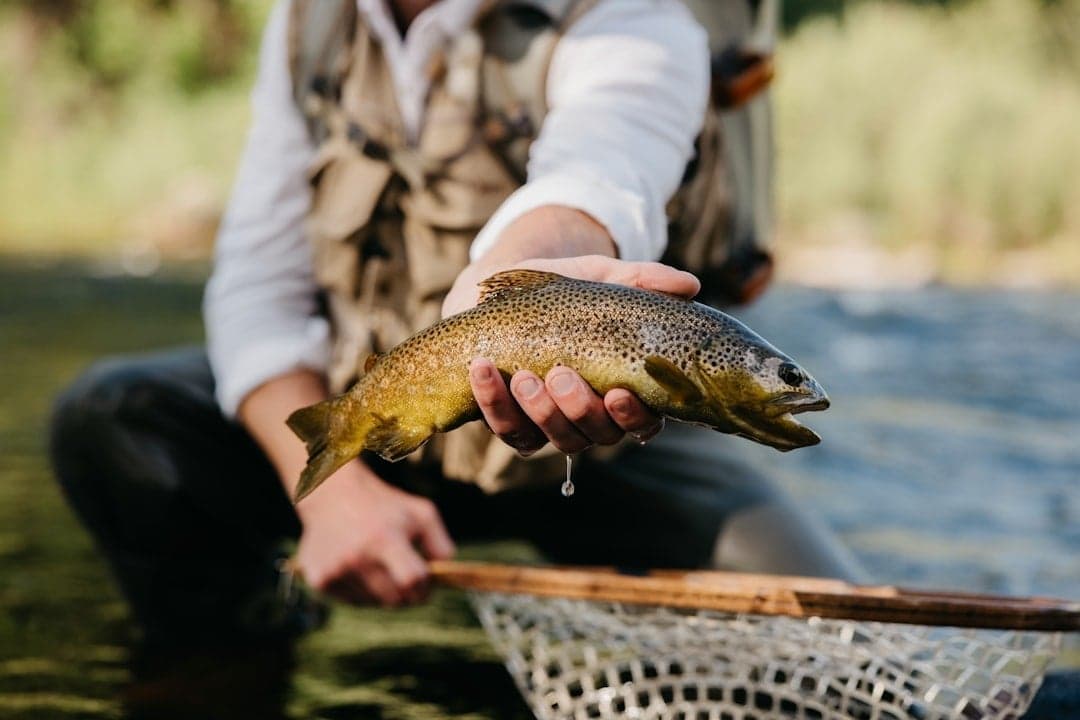
But nail the timing, and you'll experience what many consider Colorado's best dry fly fishing: the Mother's Day caddis hatch. Millions of Brachycentrus caddis blanket the water, trout lose their caution, and for a few magical hours each afternoon, fish that ignored your flies all winter are suddenly crushing anything that floats.
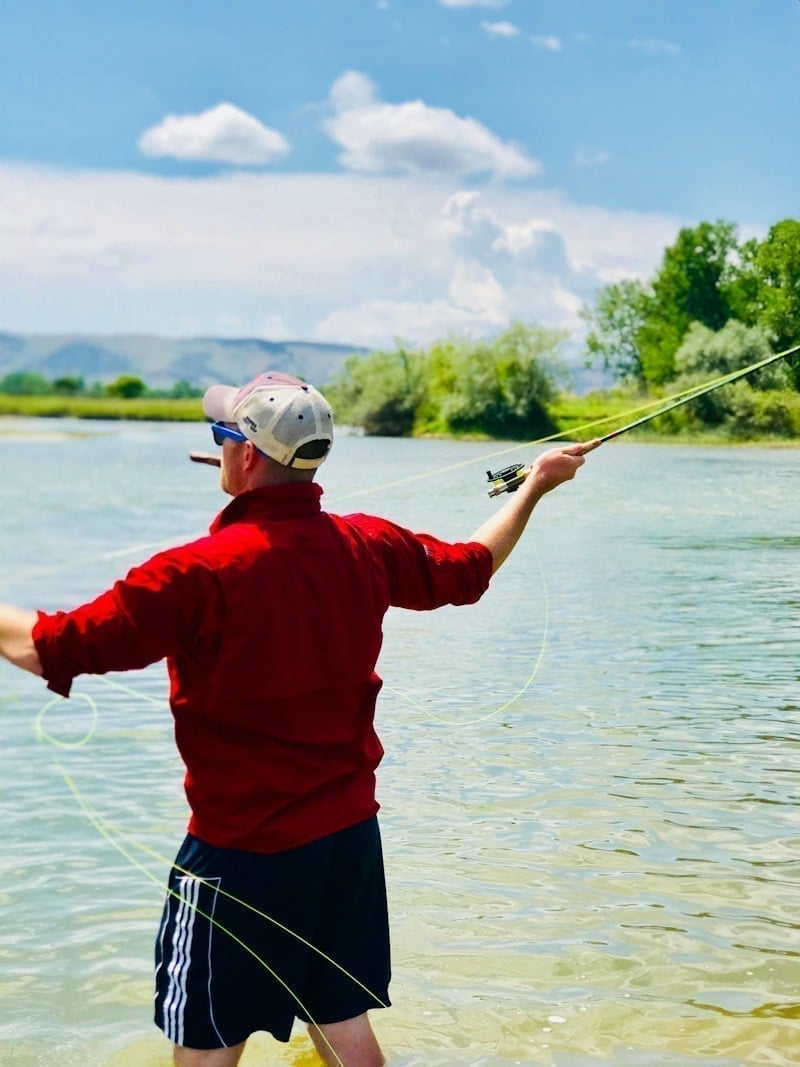
Spring brings hungry trout and challenging conditions - timing is everything.
Understanding the Hatch
The Mother's Day caddis isn't one event - it's a wave that moves upstream over three weeks. It typically starts near Canon City in mid-April when water temps hit 54°F, then progresses upriver at roughly 8 miles per day.
Timing by location:
Canon City area: Mid to late April
Salida: Late April to early May
Buena Vista: First two weeks of May
The hatch happens mid-afternoon through dusk. Mornings are for nymphing; the main event starts around 2pm.
Reading the Flows
The Arkansas is a freestone river - no dam releases to stabilize things. Spring flows depend entirely on snowpack and how warm it's been lately. Here's what the numbers actually mean:
Flow (CFS) at Salida
Conditions
Under 300
Drought low - rare in spring, excellent fishing if it happens
300-600
Ideal fishing water - wadeable, clear, fish concentrated
600-1,000
Rising water - still fishable, limited wading
1,000-2,000
Marginal - fish the edges and back eddies
Over 2,000
Runoff - unfishable in freestone sections
The median spring flow at the Nathrop gauge is around 250 CFS, but runoff can spike flows to 2,000+ CFS within days. Check Arkansas River flows at Salida before you drive.
Pro tip: Watch the trend, not just the number. Fish feed aggressively when flows are dropping and clarity is improving - even if conditions aren't perfect.
Water Temperature
The magic number is 54°F - that's when the Brachycentrus caddis start getting active. In early April, expect temps in the mid-40s. By late April, afternoon temps typically reach the low-to-mid 50s, triggering hatch activity.
The Arkansas holds 102 miles of Gold Medal water - the longest contiguous stretch in Colorado. That's 170 lbs of trout per acre, well above the 60 lb minimum for Gold Medal designation.
Best Spring Access Points
Hecla Junction (Brown's Canyon area)
Directions: From Salida, north on CO-291 for 7.1 mi to US-285. Right for 1.6 mi, then right on County Road 194 (dirt) for 2.6 mi to the river.
23 campsites, boat ramp, restrooms
Wade upstream over the bluffs to reach less-pressured water
Catch-and-release section starts here - bring your barbless hooks
Gets busy with rafters by mid-morning; fish early or late
Fisherman's Bridge (upper Brown's Canyon)
Directions: From CO-291/US-285 junction, head north 10.7 mi. Look for the signed turnoff.
Boat slide access only (no trailers)
Classic wade fishing stretch with good pocket water
Less foot traffic than Hecla since you can't launch big rafts here
Ruby Mountain (south of Buena Vista)
Northern entrance to Browns Canyon National Monument
Campground with river access
Last to see the hatch as it moves upstream
Limited commercial boat traffic (max 10 boats/day when flows drop below 700 CFS at Wellsville gauge)
Better wading when lower sections blow out
Salida Town Run
Walk-and-wade access right in town, free parking along Highway 50
Gets crowded on weekends during peak hatch - show up early
Good evening caddis activity for after-work fishing
Golden Stonefly Nymph (#8-10) - attractor as lead fly
Chartreuse Caddis Larva (#16) - dropper behind the stone
Morning Nymphing Rig
Run a heavy Golden Stone with a caddis pupa 12-18" behind it. High-stick through deep tailouts and seams. When fish start rising in the afternoon, switch to a dry with an emerger dropper 20-24" below.
When Does Runoff Hit?
Historically, peak runoff on the Arkansas occurs in the second week of June. But the fishing window closes earlier than that - once flows climb past 1,000 CFS at Salida (typically late May), productive fishing becomes difficult.
Typical runoff timeline:
Early May: Flows start rising, still fishable most days
Mid-May: Flows 600-1,000 CFS, marginal but fishable on stable days
Late May: Flows often exceed 1,000 CFS, freestone sections blown out
June: Peak runoff (historical max at Salida: 9,220 CFS)
Mid-July: Flows drop back into fishable range
Watch the SNOTEL snowpack reports for the Upper Arkansas basin - above-average snowpack means earlier and longer runoff.
When Things Blow Out
Drove two hours only to find the river running brown? It happens. Here are your backup options:
Pueblo Tailwater - The 10 miles below Pueblo Reservoir stay clear year-round. Gin-clear water, technical fishing, but fishable when everything else is mud. Access at Valco Ponds (Lake Pueblo State Park).
Higher Elevations - The Arkansas near Leadville runs clearer longer. Try the stretch above Granite. Smaller fish, but wadeable when the main river is blown.
Local Fly Shops & Guides
Stop in before you hit the water - these shops know what's working right now:
ArkAnglers - Two locations, largest fly selection on the river
A half-day guided trip runs $275-350 and is worth it if you're new to the river - guides know exactly where the hatch is hitting on any given day.
Gear Recommendations
Rod: 9' 5-weight with floating line handles 90% of Arkansas fishing. Bring a 6-weight if you plan to throw larger streamers or deal with wind.
Leader: 9' tapered leader, 4X or 5X for nymphing, 5X or 6X for dry flies. Fish get leader-shy during heavy hatches.
Essential Accessories:
Polarized sunglasses (spotting fish in clear water)
Rubber-mesh net (required by some regulations, better for fish)
Wading boots with felt or rubber soles - the Arkansas bottom is slick
Stream thermometer - confirm water temps are in the hatch zone
Hazards & Safety
Cold water: Even on warm April days, the Arkansas runs cold (45-55°F). Dress for immersion - neoprene waders or at minimum, wading boots with good traction.
Slick rocks: The Arkansas bottom is notoriously slippery. Felt soles or studded rubber are essential. A wading staff isn't overkill.
Raft traffic: Brown's Canyon is one of Colorado's most popular rafting stretches. Commercial trips start mid-morning and run through afternoon. Fish early (before 9am) or late (after 5pm) to avoid the parade.
Private water: Some stretches between access points are private. If you don't see "Public Fishing" signs, assume it's private and move on. The Stockyard to Badger Creek section and areas around Hecla are clearly public.
Rising water: Spring flows can spike overnight. If you're camping, park well above the high-water line and check forecasts. A warm sunny day in the mountains can push flows up 200+ CFS by the following morning.
Regulations to Know
Regulations vary by section, so know where you're fishing:
Stockyard Bridge to Badger Creek (7.5 miles): Catch-and-release for rainbows
Chaffee, Fremont, and Lake Counties (much of the Gold Medal water): Artificial flies/lures only, 1 trout over 12"
All tributaries: Closed May 1 - June 10 for spawning protection
Check CPW regulations for current rules - they can change annually.
Frequently Asked Questions
Can you fish the Arkansas River in Colorado?
Yes, the Arkansas River offers over 100 miles of publicly accessible trout water in Colorado, including 102 miles of Gold Medal designated water between Leadville and Canon City. Brown and rainbow trout are available year-round, with some of the highest fish densities in the state.
Where is the best place to fish on the Arkansas River?
The stretch between Buena Vista and Salida holds the highest trout densities, with the Milk Run and Railroad Bridge sections being local favorites. Below Pueblo Reservoir, the tailwater section offers excellent winter fishing with consistent flows and larger fish.
Is the Arkansas River good for fly fishing?
The Arkansas is one of Colorado's premier fly fishing rivers. The legendary Mother's Day caddis hatch in May draws anglers from across the country, and the river fishes well from April through October with diverse hatches including stoneflies, PMDs, and terrestrials.
What kind of fish are in the Arkansas River in Colorado?
The Arkansas holds strong populations of brown trout and rainbow trout, with fish averaging 12-16 inches in the Gold Medal sections. Trophy browns over 20 inches are caught regularly, especially on streamers during fall. The tailwater below Pueblo also holds some impressive rainbows.
What's on the menu
Everything this river feeds, by month. Filter by bug, category, or fly size, and switch the axis to see what comes off at what time of day. Pulled from our western hatch and forage guide.
Taller and darker means heavier emergence. Hover any row for how long it lasts, how much the timing moves, and what to tie on.
Window vs shapeTwo different things are stacked on each row. The window is specific to these rivers, taken from fly shop and outfitter hatch charts, guide reports, and our own river guides. The shape of the curve is the insect's typical emergence profile from published sources, drawn across that window. It models a normal year, not this year. Dashed bars mean we have timing but no sourced emergence profile, so no curve is drawn.The three categoriesHatches are aquatic insect emergences. Terrestrials are land insects that end up in the water: hoppers, ants, beetles, spruce moths, cicadas. Forage is everything else on the menu, from mysis and sowbugs to crayfish, eggs, sculpins, and mice. Forage is available whether or not anything is emerging, so it sits outside the “how much is on” totals, which measure bug activity only.
The Arkansas's natural flow pattern makes checking conditions 24-48 hours before your trip essential. A warm spell can trigger rapid snowmelt and push fishable water into unfishable territory overnight.

 Spring brings hungry trout and challenging conditions - timing is everything.
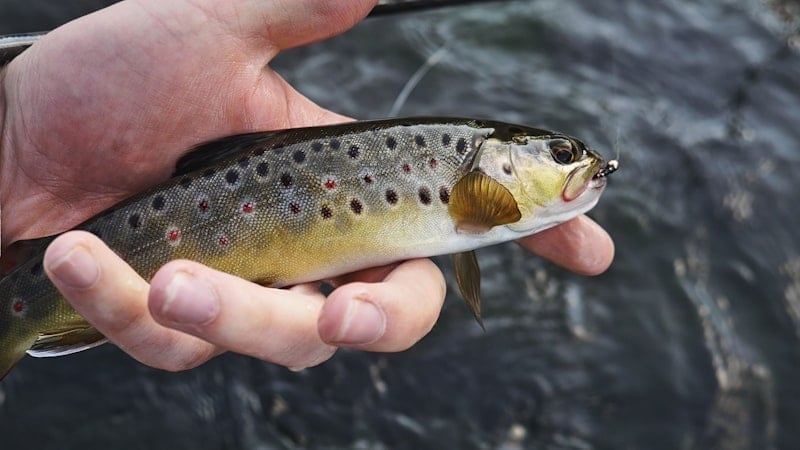 Arkansas River browns respond well to caddis patterns during the spring hatch.