Gallatin River
Fishable
Flow450 CFS
Trendfalling
Clarityclear
Temp54-61°F
Chubby Chernobyl Tan #14-16Parachute Adams #16-22Elk Hair Caddis #12-18Dave's Hopper #8-10
| What | When | Key Numbers |
|---|---|---|
| Gallatin River | July-October (post-runoff) | 300-700 CFS ideal; wade fishing; Hwy 191 access |
| Madison River | June 15-October (salmonflies mid-June) | 50-mile riffle; float or wade; fish to 25"+ |
| Yellowstone River | July 4-October (hoppers Aug-Sept) | Paradise Valley; float fishing; trophy potential |
| Yellowstone Park | Memorial Day-June, Sept-Oct (Firehole) | Separate park permit required; native cutthroat |
| Guided trips | Book 3-6 months ahead for peak | $300-550/day wade; $400-700/day float |
| MT License | Season: May 3rd Sat - Nov 30 | $56/10-day + $15 AIS pass (non-res) |
Draw a 50-mile circle around Big Sky, Montana and you'll encompass some of the best trout water in North America. The Gallatin River runs right through town. The Madison - the famous "50-mile riffle" - is an hour west. Paradise Valley and the Yellowstone River are 45 minutes north. And Yellowstone National Park, with its unique geothermal fisheries, sits just to the south.
This isn't hyperbole. The confluence of blue-ribbon rivers, wild public land, and relatively light fishing pressure (compared to destination fisheries like the San Juan or Green River) makes Big Sky one of the premier fly fishing bases in the West. You could fish a different river every day for a week and not repeat water.
The trade-off: Big Sky's town center sits at roughly 6,800 feet (Mountain Village at 7,500 feet). The season is compressed - runoff typically pushes into late June, and ice can lock up rivers by December. But from early July through October, you'll find consistent hatches, willing fish, and the kind of mountain scenery that makes you forget to watch your indicator.
If this is your first visit to Big Sky and you have limited time:
3-day trip: Fish the Gallatin in Big Sky (day 1), float or wade the Madison (day 2), explore Yellowstone Park - Firehole or Slough Creek (day 3).
1-week trip: Add Paradise Valley Yellowstone (hopper season is exceptional), a day at the Lamar, and an alpine lake hike for variety.
Book a guide for day one if you're unfamiliar with the water. A half-day on the Gallatin with a local guide will teach you more about reading the water than a week of trial and error. After that, you'll know where to go and what to tie on.
Don't skip the fly shop stop: Wild Trout Outfitters or Gallatin River Guides can tell you exactly what's working that week - water conditions change fast, and their intel is current.
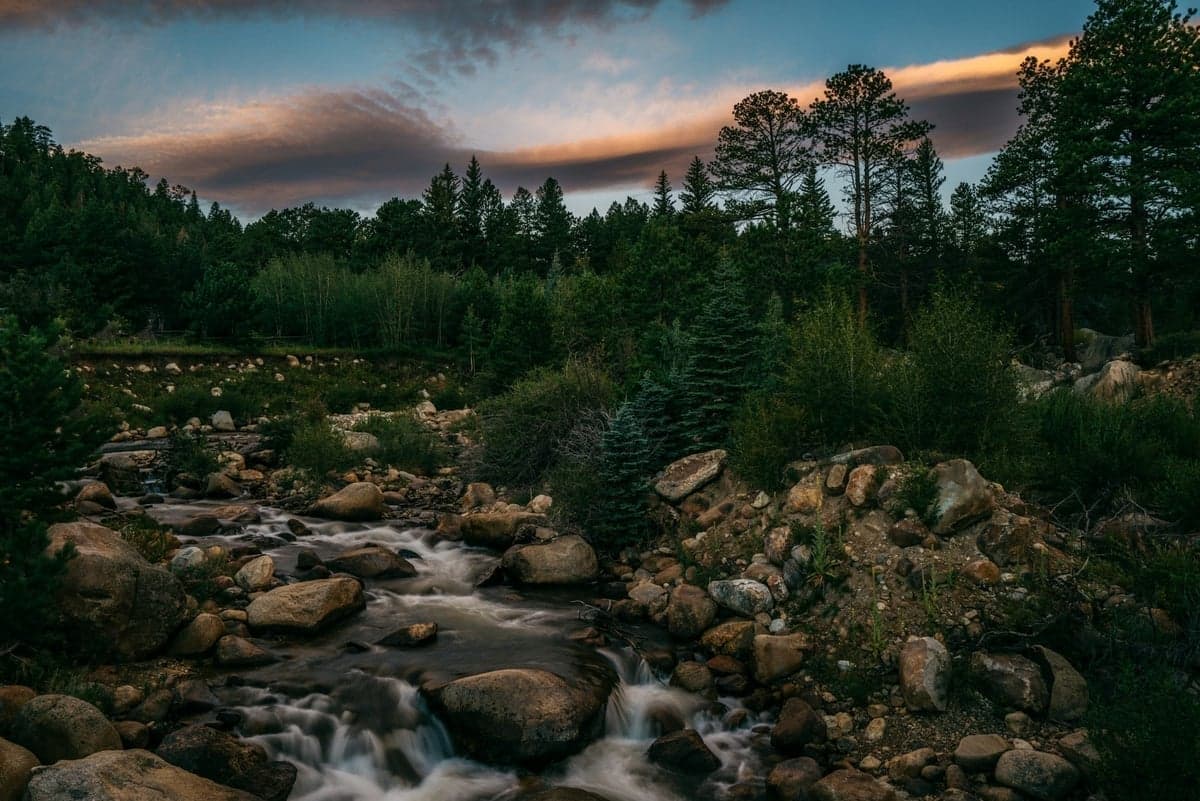
The Gallatin is Big Sky's backyard water. Highway 191 parallels the river from Yellowstone National Park all the way to Bozeman, providing easy access to nearly 90 miles of trout water. This is primarily wade fishing - boat fishing is prohibited in the canyon section.
The Gallatin is a classic western freestone - fast pocket water, boulder-studded runs, and cold, clear flows originating in Yellowstone National Park. The canyon section between Big Sky and Bozeman features swift riffles, deep pools, and technical pocket water that rewards precise casting. Recent Montana FWP surveys show over 1,400 rainbows over eight inches per mile from the West Fork confluence at Big Sky to the canyon mouth, plus healthy populations of browns, cutthroat, brook trout, whitefish, and even a few grayling.
Average fish run 10-14 inches, but 16-18 inch rainbows and browns are common enough to keep things interesting. The river fishes best from late June (after runoff clears) through October.
The Gallatin is uncontrolled - no dams regulate its flows. This means heavy spring runoff (peaking 4,000-8,000 CFS in late May/early June) followed by stable summer and fall conditions.
| Flow (CFS) at Gallatin Gateway | Conditions | What to Expect |
|---|---|---|
| Under 300 | Low water | Fish concentrated, spooky, technical - late fall/winter |
| 300-500 | Excellent fishing | Prime wade conditions, fish spread throughout runs |
| 500-700 | Good fishing | Comfortable wading, fish active in faster water |
| 700-1,000 | Higher flows | Wade carefully, focus on edges and slower runs |
| 1,000-2,000 | High water | Difficult wading, fish the margins, consider nymphs |
| Over 2,000 | Runoff | Wait for it to drop - fish Yellowstone Park instead |
Check Gallatin River flows at Gallatin Gateway for current conditions. Around 600 CFS is ideal for walk-and-wade fishing in the Big Sky and canyon sections.
Key insight: The Gallatin often runs muddy from Taylor's Fork runoff into early July. Until the main river clears, the upper Gallatin inside Yellowstone National Park offers the best fishing - it clears first since it's above the tributary.
The Gallatin is one of Montana's most accessible rivers. Highway 191 runs alongside the water from Yellowstone Park to Four Corners, with access via roadside pullouts, bridge crossings, campgrounds, and designated Montana Fishing Access Sites.
Key spots (north to south along Hwy 191):
Important: The "Mad Mile" section features Class III-IV rapids popular with whitewater boaters. Fishing from boats is prohibited throughout the canyon - you can only use watercraft for transportation between spots and must exit the boat before casting.
| Insect | Size | Timing | Notes |
|---|---|---|---|
| Blue Winged Olives | 16-20 | April-June, Sept-Oct | Overcast days best |
| Mother's Day Caddis | 14-16 | Early May | Pre-runoff window (weather dependent) |
| Salmonflies | 4-8 | Mid-late June | The big event - as river clears |
| Golden Stoneflies | 8-10 | June 15-July 15 | Follows salmonflies |
| Yellow Sallies | 14-16 | July-August | Following PMDs |
| Caddis | 12-18 | June 15-Sept 15 | Evening activity strong |
| PMDs | 16-18 | July 15-Sept 15 | Morning/evening hatches |
| Spruce Moths | 12-14 | Late July-mid Aug | Cyclic - some years exceptional |
| Hoppers/Terrestrials | 6-12 | July 15-Sept 15 | Fish the banks |
Spruce moth note: Every few years, spruce moth infestations bring exceptional dry fly fishing. Trout line up under overhanging spruce trees and feed voraciously on falling moths. These closely resemble size 12-14 tan caddis - if you see moth activity, tie one on.
The Madison is an hour's drive from Big Sky and offers both wade and float fishing. This is the water you've read about - wide, consistent flows, prolific hatches, and big fish. The "50-mile riffle" nickname describes the character of the upper Madison from Quake Lake to Ennis Lake. Check Madison River flows near Cameron for current conditions.
The Madison flows from the confluence of the Firehole and Gibbon Rivers in Yellowstone Park, through Hebgen Lake and Quake Lake (formed by a 1959 earthquake), then tumbles 50 miles to Ennis Lake. This upper section is characterized by continuous riffle water - long stretches of moderate current over cobblestone bottom that create ideal trout habitat.
Fish populations center on rainbow and brown trout. The upper sections hold more rainbows; browns become more prevalent (and larger) closer to Ennis. Fish over 20 inches are caught regularly, and browns exceeding 25 inches come out every season.
Windy Point to McAtee Bridge: Some of Montana's best dry fly water during July and August. Boulder-studded runs, shelves, and seams offer both float and wade opportunities.
Varney Bridge to Ennis: If you want a shot at monster browns, this is the water. The fish here average larger than the upper sections, particularly in fall when big browns move up from Ennis Lake.
Below Quake Lake: Immediately downstream of the lake, the Madison runs through steep, boulder-choked water. Very difficult to wade but can produce excellent rainbows. Access from US-287 or the Raynolds Pass Bridge.
| Insect | Size | Timing | Notes |
|---|---|---|---|
| BWOs | 16-20 | April-May, Sept-Oct | Overcast afternoons |
| Caddis | 14-16 | Mid-June | Can be prolific |
| Salmonflies | 4-8 | Mid-June | The big bug event |
| Golden Stones | 8-10 | Late June-July | Follows salmonflies |
| PMDs | 14-16 | July-August | Great dry fly fishing |
| Caddis (summer) | 12-16 | July-August | Evening activity |
| Hoppers | 6-10 | Aug-September | Bank fishing |
| Tricos | 20-24 | August-September | Morning spinner falls |
| Fall Browns | N/A | September-October | Big fish from Ennis Lake run upstream |
Fall tip: Brown trout from Ennis Lake migrate upstream into the Madison in September and October. This is when the biggest fish of the year are caught - streamers and large nymphs produce.
The Madison has good public access, but wade-friendly water can be crowded in summer. Float fishing is popular and covers more water.
Most guide services offer Madison floats. Half-day floats cover 6-8 miles; full-day trips can cover 12+ miles. Float fishing is productive year-round but especially effective during hatch activity.
The Yellowstone is the longest undammed river in the lower 48 states, flowing from Yellowstone Park through Paradise Valley - arguably the most scenic trout fishing valley in America. The snow-capped Absaroka and Gallatin ranges tower over the river on both sides.
The Yellowstone is bigger water than the Gallatin or Madison. Wide, powerful flows create diverse habitat - everything from braided channels and side channels to long runs and deep pools. This is primarily float fishing water, though wade opportunities exist at access points.
Fish populations include rainbow trout, brown trout, and native Yellowstone cutthroat (most common in the upper reaches near Yankee Jim Canyon). Paradise Valley fish average 12-16 inches, but 10-pound trout roam these waters - it's one of Montana's best shots at truly large fish.
Any time after July 4 is prime time for Paradise Valley. The salmonfly hatch runs late June through early July, providing "big bug" dry fly fishing. Then hopper season kicks in August through September - the valley is lined with hayfields and grasslands that produce exceptional terrestrial fishing. Monitor Yellowstone River flows near Livingston to plan your trip timing.
| Period | What to Expect |
|---|---|
| Late June-early July | Salmonflies and golden stones |
| July | Flows dropping, dry fly fishing improving daily |
| August-September | Hopper season - plop size 2-10 hoppers along banks |
| October | Brown trout aggression pre-spawn, streamer fishing |
The Yellowstone has numerous fishing access sites through Paradise Valley:
Most anglers float Paradise Valley with guides. The consistent flows and scenery make it a great option for anglers of all skill levels.
Yellowstone Park offers unique fishing opportunities found nowhere else - geothermally-influenced rivers with year-round consistent temperatures and fish that have never seen a boat. A separate park fishing permit is required (available at park entrance stations and ranger stations).
Quite possibly the most unique trout river in the world. The Firehole flows through active geyser basins - Old Faithful and Grand Prismatic Spring are visible from the river. Geothermal heating creates excellent insect hatches but also limits the fishing season.
Season: Memorial Day through late June, then again September-October. Mid-summer water temps exceed 80°F - too warm to fish.
Fish: Browns and rainbows average 8-12 inches. Not big fish water, but the setting and dry fly fishing are exceptional.
Best section: 10 miles from Biscuit Basin to Firehole Falls. Multiple pullouts along the road.
Hatches: Baetis, PMDs, stoneflies, and caddis in spring. BWOs return in fall. This is primarily dry fly water.
One of the most popular (and productive) fishing areas in Yellowstone. Slough Creek offers spectacular meadow fishing for native Yellowstone cutthroat trout in an alpine setting.
Access: The lower meadows below the campground are easily accessible from parking areas. The upper meadows require hiking - a 45-minute walk to the "first meadow" with a steep initial climb.
Best fishing: The further upstream you go, the better the fishing. Fish to 22-23 inches have been caught in the third meadow. Peak season is mid-July through October.
Fish: Native Yellowstone cutthroat, mostly 8-16 inches with larger fish in upper meadows.
The Lamar Valley is Yellowstone's Serengeti - wide open grasslands with bison, wolves, and grizzlies as backdrop to your fishing. The Lamar River offers wild cutthroat fishing in a remote, dramatic setting.
Character: Over 40 miles of river, but only about 8 miles are road-accessible along the Northeast Entrance Road. The meadow section features large boulders, riffles, runs, and pocket water. Fish are wild and wary - the Lamar demands precise presentations and light tippets (4X-6X).
Access:
Best times: The Lamar is the last river in Yellowstone to clear from runoff - typically mid-July. Peak fishing runs mid-July through October.
Hatches: Salmonflies and golden stones as water clears (early July), PMDs and Green Drakes in July, Fall Green Drakes in September (huge hatch), hoppers from late July through September.
Techniques: Primarily a dry fly fishery. Cutthroats rise slowly and inspect flies carefully - give them time. Hopper-dropper rigs and large attractor dries work well. In deeper holes, nymphs can be productive when fish aren't rising.
Caution: The Lamar Valley is prime grizzly habitat. Carry bear spray, make noise, and be especially alert in thick brush along the river. Summer thunderstorms can muddy the river for several days - have a backup plan.
Different character than Paradise Valley - smaller, faster, and colder. Native cutthroat dominate the upper reaches. Good wade fishing near Fishing Bridge and downstream.
Park fishing tips:
Big Sky offers excellent backcountry lake fishing in the Madison and Gallatin Ranges. Many lakes are stocked by Montana FWP and hold cutthroat, golden trout, grayling, or brook trout.
Golden Trout Lake: 5-mile roundtrip hike, 1,300 feet elevation gain. Sits at 9,075 feet with golden trout.
Lava Lake: 6-mile roundtrip in the Lee Metcalf Wilderness. Sits at 7,115 feet in the Cascade Creek Valley.
Summit Lake: 16-mile roundtrip with 3,500 feet of gain - consider an overnight trip. Remote fishing at 9,560 feet.
Hidden Lakes: Chain of eight alpine lakes in the Gallatin Range at 9,000 feet. 6-mile roundtrip, excellent camping and fishing.
Beehive Basin: One of Big Sky's best hikes to a glacial cirque with a crystal-clear lake overlooking Lone Peak.
Anyone 12 or older needs three things to fish in Montana:
Purchase all licenses online through Montana FWP or at local fly shops.
Non-resident costs (2025):
A separate park fishing permit is required for all waters inside Yellowstone National Park. Montana and Wyoming licenses are not valid in the park.
Rivers & streams: Open third Saturday in May through November 30 (unless otherwise specified).
Catch-and-release: Common throughout the region. Many waters have slot limits or catch-and-release requirements, particularly for native cutthroat.
Bull trout: Closed to intentional fishing throughout most Montana waters - release immediately if caught.
Westslope cutthroat: Protected in many waters - check specific regulations.
Whirling disease: Do not transport fish parts, and clean gear between waters to prevent spread.
Always check current Montana regulations for specific waters before fishing.
Water temperature directly affects catch-and-release mortality. Montana FWP research shows no mortality when water stays below 68°F (20°C), but mortality rates climb sharply above that threshold - up to 16% for rainbow trout in "hot" conditions.
| Water Temp | Conditions | Recommendation |
|---|---|---|
| Below 55°F | Cold | Fish actively; slow morning starts |
| 55-65°F | Optimal | Prime fishing conditions |
| 65-68°F | Warming | Fish carefully, minimize fight time |
| 68-73°F | Stress zone | Stop fishing or fish early morning only |
| Above 73°F | Dangerous | Don't fish - mortality risk too high |
Montana implements "Hoot Owl" restrictions when stream temperatures exceed 73°F for multiple consecutive days. Under Hoot Owl:
These restrictions typically affect lower-elevation rivers (lower Madison, Yellowstone near Livingston) during August heat waves. The Gallatin near Big Sky rarely triggers Hoot Owl due to cold water from Yellowstone Park.
When water temps approach 68°F:
Carry a stream thermometer (or use the sensor on your wading staff if equipped). Check temp before fishing and again mid-morning. When it hits 68°F, consider moving to higher elevation water or calling it a day.
Montana's freestone rivers demand respect. Cold water, slick rocks, and strong currents have injured and killed anglers.
Cold water: The Gallatin runs 35-55°F year-round. Hypothermia risk is real if you fall in. Always fish with a wading belt cinched tight to prevent waders from filling, and carry a change of clothes.
Slick rocks: River cobble is notoriously slippery. Felt soles are legal in Montana (no ban) and provide better traction than rubber. Studded boots or add-on studs improve grip significantly. A wading staff isn't overkill - it's insurance.
Swift current: The Gallatin canyon and Madison have strong currents that can sweep you off your feet. Wade carefully, test your footing, and don't push into water faster than you're comfortable with.
Runoff hazards: During spring runoff, floating debris (trees, branches) creates dangerous conditions. Ice dams can release suddenly in early spring. Wait for stable flows.
Wildlife: Grizzly bears inhabit much of this region, including fishing areas. Carry bear spray, know how to use it, and be aware of your surroundings - especially in brushy areas along streams.
Includes all equipment, flies, and lunch on full-day trips. Gratuity (15-20%) is customary.
The rivers around Big Sky demand different approaches depending on conditions. Here's how to set up for success.
Leader setup: Start with a 9-foot tapered leader. Cut back to the heavy section and add a tippet ring. From the ring, run 4-5 feet of fluorocarbon tippet to your point fly.
Tippet sizes:
Indicator placement: Set your indicator at 1.5x the water depth you're fishing. On the Gallatin, most productive water runs 2-4 feet deep, so start with the indicator 3-6 feet above your flies. Adjust until you're occasionally ticking bottom.
Two-fly rig: Tie your heavier fly (Pat's Rubberlegs, stonefly nymph) to the point. Add 12-18 inches of tippet one size lighter off the bend of the point fly to a smaller nymph (Pheasant Tail, midge).
Weight: Start with one small split shot (size BB or smaller) 6-8 inches above the point fly. Add weight until you're drifting just above the bottom. Over-weighting spooks fish and snags constantly.
Euro nymphing excels in the Gallatin's pocket water and can be deadly during winter when fish hold in deeper slots. The technique shines when:
Setup: 10-11 foot 3wt rod, 20-foot euro leader with sighter section, jig-style nymphs in sizes 12-16. Keep contact with flies through the drift - no indicator needed.
Best applications: Gallatin canyon pocket water, winter fishing when fish are sluggish, anywhere you need precise depth control.
The go-to summer rig when fish are looking up but not fully committed to dries.
Setup: Tie a buoyant dry fly (Chubby Chernobyl, Stimulator, large Parachute Adams) to 4X tippet. Add 18-24 inches of 5X fluorocarbon off the bend to a small nymph or emerger.
When to use: PMD and caddis hatches when fish are taking emergers just below the surface. Hopper season (August-September) with a hopper-dropper combo.
Best in early spring (pre-runoff) and fall (pre-spawn browns).
Setup: 9-foot 6wt rod, sink-tip or full-sink line for deeper water, 4X fluorocarbon leader 4-6 feet long.
Retrieve: Strip-pause-strip. Let the fly sink, then strip in 6-12 inch pulls with pauses. Browns often hit on the pause.
When: Low-light conditions (early morning, late evening, overcast days). Fall is prime time for aggressive brown trout.
If you can only bring a dozen patterns:
Early July: Post-runoff on the Gallatin, tail-end of salmonfly activity on the Madison. Rivers clearing, fish hungry after high water.
Late July-August: Prime dry fly season. PMDs, caddis, yellow sallies on the Gallatin. Hopper fishing picks up. Weather is warm and stable. This is peak season - expect some company.
September: Crowds thin after Labor Day. Fish are aggressive feeding before winter. BWOs return. Some of the most pleasant fishing of the year.
October: Fall colors, brown trout pre-spawn aggression. Can be cold, but fishing is excellent for those willing to layer up.
| River | Prime Season | Notes |
|---|---|---|
| Gallatin | July 1 - October 15 | Wade fishing paradise |
| Madison | June 15 - October | Salmonflies through fall browns |
| Yellowstone | July 4 - October | Hopper season August-September |
| Firehole | Memorial Day - June 30, Sept-Oct | Closed mid-summer (heat) |
| Slough Creek | July 15 - October | Cutthroat in meadows |
Big Sky sits at 6,800-7,500 feet depending on the area - weather changes fast. Summer afternoons often bring thunderstorms. Mornings are typically clear and calm - the best fishing window.
Pack for:
Winter fly fishing around Big Sky is challenging but rewarding. High-pressure systems bring bluebird days with surprisingly good fishing - you just need to adjust expectations and timing.
Gallatin River near Big Sky: The best winter option. Geothermal springs near Big Sky warm the water, keeping it ice-free and fish active when other rivers are frozen. The section downstream of the Big Sky junction along Highway 191 fishes well through winter.
Paradise Valley Spring Creeks: DePuy's, Armstrong, and Nelson's spring creeks maintain near-constant temperatures (50-55°F) year-round. These are the most consistent winter fisheries in the region - but they're private and require rod fees ($100-175/day). Worth it for reliable winter dry fly fishing.
Lower Madison: Can fish well on warmer winter days, particularly in the Varney to Ennis section.
Flies: Small - midges (#20-24), tiny BWOs (#20-22), small nymphs (#18-20). Zebra Midges, Mercury Midges, and RS2s in black, olive, and cream.
Technique: Dead-drift nymphs through deeper pools and slower runs. Euro nymphing can be particularly effective for detecting subtle winter takes. When midges hatch (usually 11am-2pm on sunny days), fish will rise - carry midge clusters (Griffith's Gnat) and emerger patterns.
Rigging: Fish deep and slow. Indicator rigs with the indicator 5-6 feet above flies, small split shot, and plenty of patience. Fish hold in the deepest, slowest water they can find.
Three exceptional rivers - all starting with "B" - are accessible as day trips from Big Sky. These provide variety when you want to escape Gallatin crowds or chase different water.
Known as "The Last Best River," the Big Hole holds wild browns, rainbows, brook trout, and the last population of fluvial Arctic grayling in the lower 48. Three distinct sections: upper meadow water for wading and dries, middle canyon with bigger runs, and lower pocket water.
Why go: Solitude, wild fish, chance at grayling. Less pressured than Gallatin or Madison.
Best times: Skwala hatch (April-May), salmonflies (June), hopper fishing (August). Susceptible to Hoot Owl restrictions in hot weather.
Note: 2-hour drive each way makes this better as a full-day commitment. Worth combining with a night in Dillon or Twin Bridges.
A tailwater below Clark Canyon Dam, the Beaverhead runs clear year-round and holds some of Montana's largest brown trout. Fish average bigger than any water near Big Sky - 18-20 inch browns are common, with fish over 24 inches caught regularly.
Why go: Trophy browns in technical water. Runs clear when freestones are blown out.
Best times: Year-round fishery. Spring and fall are prime. Smaller water that fishes well in winter.
Note: This is technical water - spooky fish in clear, slow currents. Bring light tippet (5X-6X) and patience.
The legendary Bighorn is Montana's most productive trout river - over 2,000 fish per mile with a 30-year average around 2,200. Tailwater below Yellowtail Dam means consistent flows, clear water, and year-round fishing. Worth the drive for a multi-day trip.
Why go: Numbers and size. The Bighorn produces more big trout than anywhere in Montana.
Best times: Year-round. Midge fishing in winter, sulphurs and PMDs in summer, streamer fishing in fall.
Logistics: 3.5-hour drive makes this a 2-3 day trip minimum. Plenty of lodging in Fort Smith.
Is there fly fishing in Big Sky, Montana?
Big Sky sits along the Gallatin River, a blue-ribbon trout stream flowing from Yellowstone National Park. The Madison and Yellowstone rivers are also within easy driving distance, making Big Sky a top fly fishing base camp in Montana.
What is the best month to trout fish in Montana?
July and August offer the best all-around trout fishing near Big Sky. The Gallatin fishes well with hoppers and attractors, while the Madison produces excellent dry fly opportunities during PMD and caddis hatches.
What flies work best on the Gallatin River?
Summer staples include Chubby Chernobyls, Parachute Adams, and Elk Hair Caddis for dries. Nymph anglers do well with Pat's Rubber Legs, Zebra Midges, and Prince Nymphs in the canyon sections.
Everything this river feeds, by month. Filter by bug, category, or fly size, and switch the axis to see what comes off at what time of day. Pulled from our western hatch and forage guide.
Before your trip:
The Gallatin's freestone nature means flows respond quickly to weather. A few days of hot weather can drop flows 100+ CFS; thunderstorms can bump them up overnight.
| Water | Type | Best For | Difficulty | Access |
|---|---|---|---|---|
| Gallatin River | Freestone, wade | Pocket water, hatches | Beginner-Intermediate | Roadside (Hwy 191) |
| Madison River | Freestone, float/wade | Big fish, dry flies | Intermediate | Multiple FAS sites |
| Yellowstone River | Large freestone, float | Trophy potential | Intermediate | Paradise Valley FAS |
| Firehole River | Geothermal, wade | Unique experience, dry flies | Beginner-Intermediate | Park pullouts |
| Slough Creek | Meadow stream, wade | Native cutthroat | Beginner (lower), Intermediate (upper hike) | Park trailhead |
| Alpine Lakes | Stillwater | Solitude, golden trout | Varies by hike | Trailheads |
After talking to local shops and reviewing years of fishing reports, here are the insights that separate good days from great ones:
On the Gallatin:
On the Madison:
On the Yellowstone:
In Yellowstone Park:
General:
Weekly flow updates and fishing intel.
© 2026 RiverReports, Inc.