Quick Reference
| What | When | Key Numbers |
|---|
| Rainbow trout | Year-round (spring best for hatches) | 14-18" avg; 46-51°F water year-round |
| Brown trout bounty | Nov-Dec "Winter Bonanza" | $33/fish; $300 for tagged fish |
| Ideal flows | Bug Flow weekends | 8,000-10,000 CFS normal; 3,000-8,000 CFS low/excellent |
| Regulations | Barbless, artificial only | 2 rainbow limit; no limit on browns |
| Guided float | Book for spring | $400-600/day; Lees Ferry Anglers |
| Licenses & fees | AZ license + park entrance | $20/day non-res + $30 Glen Canyon NRA |
Flow~8,240 CFS base at USGS gauge 09380000 (most recent reading ~8,240 CFS, 10-day average 7,302 CFS as of August 25); daily hydropower generation swings producing a range of approximately 7,000-11,000 CFS as Bureau of Reclamation operates under Mid-Elevation Release Tier with projected 7.48 maf WY2026 release volume; flows have dropped from ~9,000 CFS earlier in August as BOR conserves storage; Lake Powell at 3,518.56 ft elevation (August 25)—21.3% capacity with 5.18 MAF in storage, dropping ~0.16 ft/day; only ~28.5 ft of margin above the 3,490 ft minimum power pool floor; WY2026 unregulated inflow projected at 3.59 maf (37% of average); emergency Flaming Gorge releases ongoing; lower base flows further concentrating fish into predictable feeding lanes—improving wade access at Paria Riffle and Walk-In Area; monitor exit paths during midday generation ramps
Trendstable
Claritygin-clear
Temp~62-63°F (16.7-17.2°C) as of late August—water temps have ticked up slightly from 61-62°F earlier in the month; Bureau of Reclamation confirmed river temps exceeding 60°F for more than a month; critically, BOR skipped cool-mix releases this summer (first time since 2023) due to Powell's critically low pool (3,518.56 ft, 21.3% capacity, 5.18 MAF) and hydropower revenue concerns—in 2024 and 2025 cool-mix flows kept temps lower and prevented smallmouth bass spawning; without those releases, dam discharge temps running warmer as Powell pulls from increasingly shallow, warm layers; dissolved oxygen levels maintained by jet tube bypass flows keeping fish healthy; warmer temps further concentrating viable trout habitat into the first 2-3 miles below the dam; water clarity remains gin-clear
San Juan Worm #14 (red/pink/rust—lead flyconsistent top producer)Scud Muffin #12-14 (tungsten bead trailer—still the hot ticket)Orange/Pink Scud #14 (dead-drifted for stranded naturals during flow changes—scud activity remains high in warm water)
🎣 TACTICS RIGHT NOWDry FlySurface opportunities limited but not dead in late August. Midge hatches have thinned significantly in the heat but evening emergences (5:30pm-dark) still producing risers—Griffith's Gnat #20-22 and Parachute Adams #18-20 the best options during mixed hatch situations at dusk. Dry-dropper rigs with a cicada pattern #8-10 as the attractor and a midge dropper (#20-22) remain a productive summer technique—the cicada doubles as an indicator while occasionally drawing strikes. Lower base flows (~8240 CFSdown from ~9000 CFS) creating more defined current seams where rising fish are easier to spot. CDC Shuttlecock #18-20 with #22 midge pupa trailer still functions in the evening window. Do not plan full sessions around dry fly fishing—commit to nymph rigs for the majority of your time on the waterbut carry a few dries for the evening hatch window.
NymphScud/worm rigs continue to dominate through late summer. San Juan Worm #14 (red/pink/rust) on point with tungsten-bead Scud Muffin #12-14 or Orange/Pink Scud #14 as trailer remains the highest-producing rig. Warm water temps (~62-63°Fup slightly from earlier in August) keeping scud activity high—fish keying hard on dead-drifted orange/pink patternsespecially in weed beds. Grey/Tan Scud #14-18 producing well as a change-up in weed bed areas. Midge X #18-20 effective in slow current seams during early morning; Black Zebra Midge #18-22 still worth running on deep indicator rigs despite thin late-August hatches. Flows in the 7000-11000 CFS range (base ~8240 CFS10-day avg 7302 CFS—down from ~9000 CFS earlier in August) with generation swings through the day; set indicator at 1.5x water depth and re-adjust as levels change. Lower base flows further concentrating fish into predictable feeding lanes and improving wade access—target vegetated rifflescurrent seamsgravel shelvesdrop-offsand soft inside bends in the first 2-3 miles below the dam. Switch to ginger scuds during afternoon generation ramps when rising water dislodges naturals from weed beds. Focus wade efforts near the rampWalk-In AreaParia Riffleand Pipeline Reach. Long leaders (10-14 feet)micro split shot #6 or #4and 5X-6X fluorocarbon tippet essential. If fish flash but refusedrop to #22 midge pupae (black/grey) on 7X as a confidence dropper. Dead drift in gin-clear water—constant upstream mending critical. Presentation depth is everything; flies should tick bottom.
StreamerOlive Woolly Bugger #6-8 and Black Leech #6-8 on 200-grain sink-tip producing on deeper shelves when drifting or anchoring near 4-Mile Bar and upstream structure. Cone Head Sculpzilla #6-8 (black/olive/tan) and weighted Slumpbuster effective in deeper slots and deeper pools. Lower base flows (~8240 CFSdown from ~9000 CFS) making deeper shelves even more accessible—sink-tip bite remains a consistent option for targeting browns. Fish the cooler upper 2-3 miles below the dam where release temps are coolest. Browns holding tighter to structure and shade as water temps push ~62-63°F. No cool-mix releases this summer means warmer base temps favoring smallmouth bass expansion—making brown trout harvest even more critical for the ecosystem. Harvest encouraged under bounty program ($33/fish standard$300 for tagged fish—tags go live September).
FORECASTFishing remains productive and rated Excellent (96%) as of mid-July despite escalating drought stress on Lake Powell. Water temps have ticked up to ~62-63°F (16.7-17.2°C)—a continued departure from historical 46-50°F norms. Key development: BOR skipped cool-mix releases this summer for the first time since 2023, meaning dam discharge temps are running warmer without intervention; in 2024 and 2025, cool-mix flows successfully prevented invasive smallmouth bass spawning—that protection is absent this year. Dam operations still maintaining high dissolved oxygen via jet tube bypass flows, keeping trout healthy and feeding. Lake Powell at 3,518.56 ft as of August 25 (21.3% capacity, 5.18 MAF, declining ~0.16 ft/day) with only ~28.5 ft of margin above the 3,490 ft minimum power pool floor; August 2026 24-Month Study projects Powell ending WY2026 near 3,515.89 ft and dropping below 3,510 ft during WY2027. Base flows have dropped to ~8,240 CFS (10-day avg 7,302 CFS) as BOR conserves storage—lower flows further concentrating fish and improving wade access. Viable trout habitat remains compressed into the first 2-3 miles below the dam. Monsoon season winding down—occasional afternoon thunderstorms may still bring brief turbidity spikes from Paria River and side canyon washes, typically clearing within 24-48 hours. Post-storm windows can produce excellent fishing as dislodged invertebrates trigger feeding activity. Looking ahead to fall: expect fishing to improve significantly as air temps moderate through September-October, evening hatches strengthen, and the Brown Trout Bonanza tags go live in September. Book a boat if possible to access the coolest water near the dam.Late August desert conditions—monsoon season winding down but occasional afternoon thunderstorms still possible. Mornings 65-75°F, afternoons 98-110°F—canyon temperature swings of 30-40+ degrees daily. Thunderstorm risk diminishing but still present; afternoon storms can produce brief intense rainfall, lightning, and flash flood potential in side canyons and the Paria River confluence. Check weather forecasts daily and have an exit plan if storms develop. Sun protection non-negotiable: SPF 50+, hat, long sleeves, buff, and polarized sunglasses. Canyon thermal winds building by 10am, gusting through afternoon. Hydrate aggressively—carry at least 3 liters per person minimum for any session. Plan fishing around the two viable windows: sunrise to 9:30-10am and evening 5:30pm to dark. Heat exhaustion risk remains acute—canyon walls trap and amplify heat well above ambient temperature. September transition just days away: expect gradually moderating air temps and improving fishing windows through the month—fall is the best time to plan your next trip.
The Deal With Lee's Ferry
Before Glen Canyon Dam was completed in 1963, the Colorado River here ran warm and muddy - classic desert river conditions. The dam changed everything. Cold, clear water now releases from the bottom of Lake Powell at a constant 46-50°F year-round, creating ideal conditions for rainbow trout in a place where they have no business existing.
The result is a 15.5-mile tailwater fishery that runs from the dam to Lees Ferry proper, where the river enters Marble Canyon and begins its journey through the Grand Canyon. Arizona Game and Fish began stocking rainbows shortly after dam completion, and in 1981 designated this stretch as a Blue Ribbon fishery.
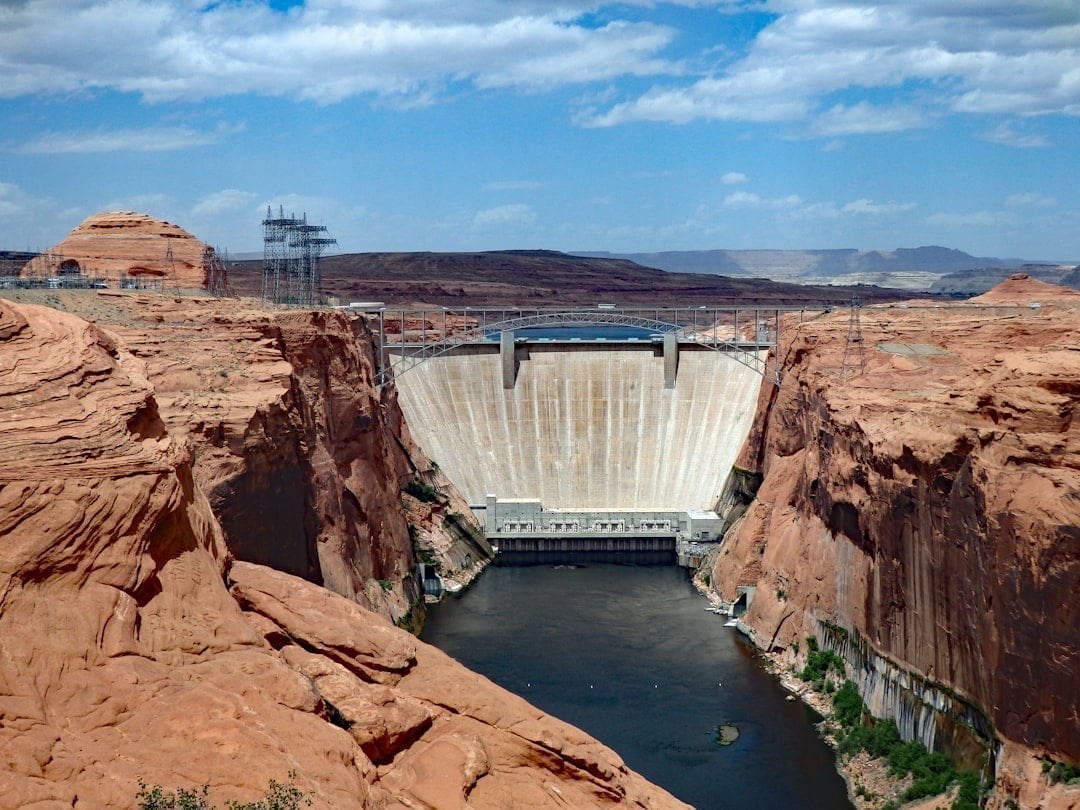
Glen Canyon Dam - the 710-foot concrete wall that accidentally created a world-class trout fishery
It's strange fishing. You're on the Colorado Plateau, surrounded by red rock canyon walls and Vermilion Cliffs, casting to fish that belong in Montana. The juxtaposition never quite makes sense, and that's part of the appeal.
Current Reality Check: The 2022 AGFD Data
Thirty years ago, Lee's Ferry was the Southwestern Mecca of big trout - anglers routinely experienced 40-fish days with multiple 20+ inch fish. The fishery has changed.
According to the Arizona Game and Fish Department's 2022 Annual Report, the picture is sobering:
- Rainbow trout were only 60% of the fish assemblage during autumn 2022 sampling - the lowest percentage observed since monitoring began in 1991
- Electrofishing catch-per-unit-effort (CPUE) hit record lows - the worst numbers in 31 years of monitoring
- Water temperatures were the highest ever recorded; dissolved oxygen at some of the lowest levels
- Non-native invasive species are increasing - smallmouth bass, green sunfish, bluegill, and black crappie are passing through the dam
The summers of 2022 and 2023 hit the fishery hard with low dissolved oxygen and elevated water temps. Fish are still there, but in lower numbers than historical highs.
What This Means for Anglers
AGFD's management goals provide realistic benchmarks:
- Target catch rate: At least 1 trout per hour ≥ 14 inches
- Trophy target: At least 0.1 trout per hour ≥ 20 inches (one per 10 hours)
- Healthy population indicator: 20-50% of fish should be under 6 inches (recruitment)
Recent trip reports indicate anglers are still catching solid rainbows in the 14-18 inch range, with occasional fish pushing 20+. The fish that are there tend to be healthy and robust - just fewer of them. Expect a good day to produce 10-20 fish, not the 40+ of years past.
What You're Fishing For
Rainbow Trout - The primary target. Wild fish ranging from 14-22 inches, with the occasional trophy pushing larger. These aren't stocked hatchery fish anymore - they've naturalized and reproduce in the river.
Brown Trout - Here's where it gets interesting. Browns are considered invasive and problematic because they prey on native species like the endangered humpback chub downstream in Grand Canyon National Park.
The Brown Trout Bounty Program
The National Park Service runs a Brown Trout Incentivized Harvest program that actually pays you to catch fish:
| Bounty Type | Payout |
|---|
| Standard brown trout (>6 inches) | $33 |
| Tagged brown trout (Sept-Oct) | $300 |
| Winter Bonanza (Nov-Dec) | Standard $33 + bonuses for tagged fish |
How it works:
- Catch a brown trout over 6 inches
- Record data on provided data card
- Deposit head and guts (with data card) at the freezer at Navajo Bridge Interpretive Center
- Collect payment
Requirements:
- Valid Arizona fishing license
- Barbless artificial lures/flies only
- No limit on harvest
This isn't a tourism gimmick - it's a serious conservation effort. Browns prey on and compete with native fish, threatening species that have called the Grand Canyon home for millennia. The program has been running since November 2020 and is expected to continue through at least 2025.
Pro tip: Browns concentrate on spawning gravel bars at Mile -4 and Mile -12 during November-December. The Winter Bonanza specifically targets these fish when they're most vulnerable.
Flow Conditions
Track Colorado River flows at Lees Ferry for real-time conditions.
Typical Flow Ranges
| Flow (CFS) | Conditions |
|---|
| 8,000-10,000 | Normal operations - good fishing, standard techniques |
| 10,000-15,000 | Higher but fishable - may need heavier weight |
| 15,000+ | High flow events - challenging but experienced anglers find fish |
| 3,000-8,000 | Lower flows - often excellent fishing during "Bug Flow" weekends |
Bug Flows: The Secret Weapon
The Bureau of Reclamation occasionally implements experimental "Bug Flow" releases - low, steady flows during weekends while maintaining normal fluctuating flows on weekdays for hydropower. During Bug Flow weekends, anglers catch an average of 1-2 more rainbow trout per day compared to fluctuating weekday flows.
Check the Bureau of Reclamation's Glen Canyon Dam operations page for current release schedules.
Water Temperature
Thanks to releases from the bottom of Lake Powell, water temperature stays remarkably consistent:
- Year-round range: 46-51°F
- Summer peak: May reach 51-52°F during hot summers
- No thermal stress during normal conditions - fish can be caught year-round
Regulations
The section from Glen Canyon Dam to the Paria River confluence (the main fishing water) has specific restrictions:
| Regulation | Details |
|---|
| Tackle | Artificial flies and lures only - no bait |
| Hooks | Barbless required |
| Daily limit | 2 rainbow trout (any size) |
| Brown trout | No limit - harvest encouraged |
| License | Arizona fishing license required |
Below Navajo Bridge to Separation Canyon, there's no limit on any sportfish species.
Important: Catch and release is strongly encouraged for rainbows. With CPUE at record lows, every fish you release helps the fishery recover.
Fly Patterns That Work
Lee's Ferry is a technical fishery dominated by small stuff. The food base consists primarily of scuds (freshwater shrimp), midges (50+ varieties), and aquatic worms. Forget the big dries and streamers - this is precision nymphing water.
Midges (Year-Round, Size #16-24)
Midges are the primary food source. During hatches, trout can be maddeningly selective.
Essential patterns:
- Zebra Midge (#18-22) - Black, grey, red, purple, olive. The standard bearer.
- RS2 (#20-24) - Gray or olive for picky risers
- WD-40 (#20-22) - Another small-water staple
- Griffith's Gnat (#18-20) - For surface feeders during emergences
- CDC Shuttlecock (#18-20) - One angler reported standard #20 patterns being ignored while tiny CDC shuttlecocks produced 30+ fish
Hatch timing: Midges hatch year-round, but the largest emergences occur in spring (March-May). When they come off, they often emerge in mass numbers for extended durations - fish move into riffles to feed on emerging bugs.
Scuds (Year-Round, Size #12-16)
Scuds are abundant and trout love them.
Color guide:
- Orange and pink - Often the hot ticket. When dam releases change water levels, scuds get stranded, die, and turn orange-pink. Fish key on dead-drift orange/pink patterns.
- Olive and tan - Natural colors for standard conditions
- Ginger - Effective during rising water from dam releases
Specific patterns:
- Scud Muffin (Rio's tungsten bead jig hook version) - Designed specifically for this fishery
- Ray Charles Scud (#14-16) - Classic producer
San Juan Worms (Size #12-16)
- Red San Juan Worm (#16) - Currently producing well according to recent reports
- Tan and claret colors
- Essential backup when scuds and midges aren't working
- Especially effective after rain or during rising water
Wooly Buggers and Streamers (Size #4-10)
- Olive, black, and brown Wooly Buggers
- Cone head Sculpzillas in black, olive, and tan
- Best fished with sink-tip line when wading
- More effective for brown trout than rainbows
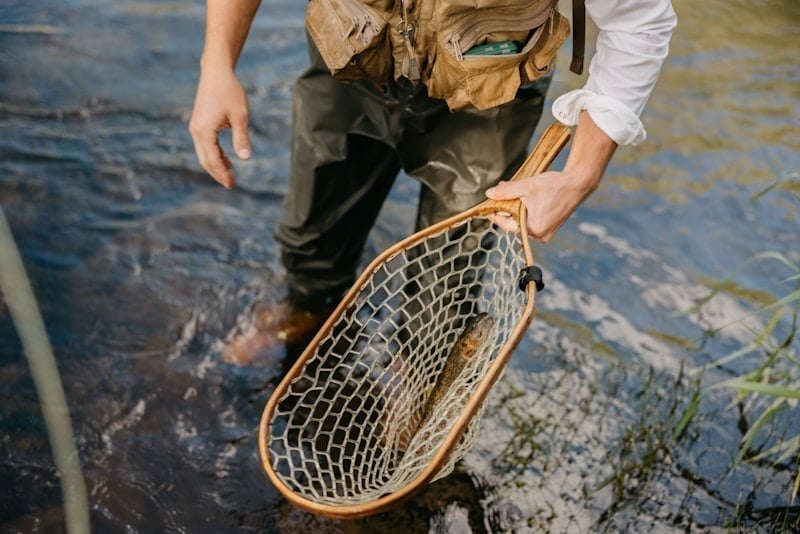
Lee's Ferry rainbows currently average 14-18 inches - down from historical highs but still quality fish
Techniques
Nymphing (Most Productive Method)
The standard approach is a two-fly nymph rig under an indicator. This is how guides fish it and how 90% of fish are caught.
Recommended setup:
- Strike indicator (foam preferred) set at 1.5-2x water depth
- Lead fly: Scud or San Juan Worm (#12-14)
- Dropper (18-24 inches below): Zebra Midge or small nymph (#18-22)
- Micro split shot (#6 or #4) - often need more weight than you'd expect
- 5X-6X tippet - these fish are line-shy
Critical techniques:
- Set the hook on any indicator movement - fish here take subtly
- Slowly lift your rod at the end of each drift - trout often follow and eat on the final lift
- During midge hatches, consider dual midge patterns instead of scud/midge combo
- Downsize during tough conditions - #24 midges can make the difference
Drift Boat Fishing
Most anglers fish Lee's Ferry from a drift boat, covering large pieces of water. This is the most effective method because:
- The river is big (100-300 feet wide) and deep in many sections
- You can cover more holding water efficiently
- Access to productive mid-river structure impossible to reach wading
- Guides know where fish concentrate
Typical drift: 8-10 miles, covering water from near the dam to the Lees Ferry ramp.
Wade Fishing Options
Wade fishing is possible but more limited. Key access points:
Walk-in water below the boat launch:
- The primary shore access, referred to as "walk-in water"
- Fish heavy nymphs and split shot around rocks
- Expect smaller fish on average, but decent numbers
- Can get crowded during spring and fall - bring patience
Below State Campground:
- Good bank access and productive water
- Scuds and San Juan worms usually produce
- Warning: Watch current carefully - it can sweep you into dangerous water quickly
Hike-in options:
- Jackass Creek wash provides vigorous hike-in access
- Tanner Wash is another option
- Check with Grand Canyon National Park for current trail conditions
Reality check: Many anglers note it's tough to fish effectively without a boat. The river is large, and much of the shoreline is impassable. If wade fishing is your only option, focus on the walk-in areas and manage expectations.
Best Times to Fish
Time of Day
Early morning (6-10am): Generally best conditions. Fish are most active, midge activity begins, and you beat the afternoon crowds and heat.
Midday (10am-3pm): Often slower. During spring, massive midge hatches around noon can shut off fishing as fish become hyper-selective. On summer days, the desert heat becomes oppressive.
Evening (4pm-sunset): Can be productive, especially in summer. Fish become active again as temperatures moderate.
Weather factor: Impending weather changes make Lee's Ferry fish shut down. If a storm is approaching, fish often won't eat even when conditions look normal.
Seasonal Breakdown
| Season | Conditions | Notes |
|---|
| Winter (Nov-Feb) | Low pressure, good midge activity | Brown Trout Bonanza runs Nov-Dec. Minimal crowds. Water temp stable at 47°F. |
| Spring (Mar-May) | Best midge hatches, fish feeding aggressively | Most productive season. Sight-casting to rising fish during massive hatches. Book guides early. |
| Summer (Jun-Aug) | Potential water quality issues | 2022-2023 saw low dissolved oxygen. Fish early morning. Hot for anglers. |
| Fall (Sep-Oct) | Good fishing, moderate crowds | Brown Trout Bonanza tags worth $300. Pleasant weather. |
Trip Cost Breakdown
Planning a Lee's Ferry trip? Here's what to budget:
Licenses and Fees
| Item | Resident | Non-Resident |
|---|
| Annual fishing license | $37 | $55 |
| One-day license | $15 | $20 |
| Glen Canyon NRA entrance (per vehicle, 7 days) | $30 | $30 |
| Glen Canyon annual pass | $50 | $50 |
| Vessel pass (if bringing boat, 7 days) | $30 | $30 |
Note: If you have an America the Beautiful Interagency Pass ($80/year), entrance to Glen Canyon NRA is covered.
Guide Services
| Service | Price Range |
|---|
| Full-day guided float (1 angler) | $400-450 |
| Full-day guided float (2 anglers) | $500-600 |
| Full-day guided float (3 anglers) | $600-700 |
| Non-fishing guest | $20/person |
| All gear (rods, flies, lunch, water) | Usually included |
Cancellation policies: Most outfitters charge $100/day if cancelled within 30 days; full rate if cancelled within 7 days or no-show.
Lodging
| Option | Price Range | Notes |
|---|
| Marble Canyon Lodge | $90-150/night | Closest to Lee's Ferry, has restaurant |
| Lees Ferry Lodge at Vermilion Cliffs | $150-225/night | 3 miles from entrance, rustic charm |
| Page, AZ hotels | $80-200/night | 20 min drive, more options |
| Camping (NPS) | $20-35/night | Limited sites |
Sample 3-Day Trip Budget (2 anglers)
| Expense | Cost |
|---|
| Non-resident licenses (2) | $110 |
| Park entrance | $30 |
| Guided float day (2 anglers) | $550 |
| 2 nights lodging (Marble Canyon Lodge) | $240 |
| Meals (2 days, 2 people) | $150 |
| Gas (from Phoenix, ~300 mi each way) | $80 |
| Total | ~$1,160 |
Add another $550 for a second guided day, or plan DIY wade fishing days at $0/day beyond license and entrance fees.
Getting There
Lee's Ferry is located in northern Arizona, about 7.5 miles southwest of Page. It sits at the boundary between Glen Canyon National Recreation Area and Grand Canyon National Park.
Driving Directions
From Page, AZ (nearest town):
Take US-89 south for about 25 miles, then turn west onto US-89A at the Marble Canyon junction. Follow signs to Lees Ferry Road, which splits off at Marble Canyon. The drive down to the river takes about 5 miles on paved road. Total: ~20-25 minutes from Page.
From Flagstaff:
Head north on US-89 through Cameron, then continue to US-89A at the Marble Canyon junction. Total: ~2.5 hours (140 miles).
From Phoenix:
Take I-17 north to Flagstaff, then US-89 north to US-89A. Total: ~4.5 hours (280 miles).
From Las Vegas:
Take I-15 north to US-89, then east to US-89A. Total: ~4.5 hours (280 miles).
Access Points
- Lees Ferry Launch Ramp - Primary access, managed by NPS. Paved ramp, parking, restrooms.
- Walk-in wading access - Below the boat ramp and near State Campground
- Day-use boating fee - $30 per vessel (7 days) or included with annual pass
Cell Service
Expect no cell service at the river or in the canyon. Limited coverage may be available at Marble Canyon Lodge or the Navajo Bridge area. Plan accordingly:
- Download offline maps before arriving
- Let someone know your itinerary
- Don't rely on phone for navigation below the rim
Guide Services
Given the fishery's technical nature and the logistics of boat access, hiring a guide makes sense for first-timers. The learning curve here is steep.
Outfitters
Lees Ferry Anglers - (928) 355-2261
- The established fly shop and guide service, operating since the area became a fishery
- Full-service fly shop on-site at Marble Canyon
- Full-day floats: $400-600 depending on party size
Marble Canyon Outfitters - (928) 355-2245
- Operating since 1988
- Full-day and half-day options
- Known for patient instruction
Lees Ferry on the Fly
- Guided trips with 40-year veteran Dave Foster Trimble
- Fly fishing (1-2 anglers): $600
- Spin fishing (up to 3 anglers): $700
- Also runs kayak shuttles to Horseshoe Bend
Fly Fishing Specialties
- Guided trips and backhauls through Glen Canyon
- Experienced on technical midge fishing
What's Included
Most guide trips include:
- Jet boat and fuel
- All tackle (rods, reels, flies, leaders)
- Lunch and water
- 8 hours on the water
You provide: Arizona fishing license, appropriate clothing, sunscreen, and gratuity (15-20% standard).
What to Bring
Essential gear:
- 5-6 weight fly rod - Provides versatility. 9-foot standard.
- 9-foot leaders tapered to 5X-6X - These fish are line-shy
- Variety of indicators - Foam (Thingamabobbers) preferred over yarn
- Micro split shot - #6 and #4 sizes
- Polarized sunglasses - Essential for sight-fishing and glare reduction
- Sun protection - You're in the desert. Hat, sunscreen (SPF 50+), long sleeves, buff/neck gaiter
- Layers - Canyon temperatures swing 30+ degrees. Mornings cold, afternoons hot.
Nice to have:
- Stream thermometer (monitor water temp during summer)
- Wading staff (if wade fishing - bottom is slick)
- Headlamp (for early starts)
- Backup sunglasses (losing them in the canyon ruins a trip)
Nearby Services
Page, Arizona (nearest full-service town, 25 min):
- Lodging, restaurants, gas, groceries
- Walmart and outdoor stores for forgotten gear
- Medical facilities
Marble Canyon:
- Marble Canyon Lodge - basic accommodations, restaurant, gas
- Lees Ferry Anglers fly shop
- Historic trading post
- Limited grocery items
Weather Expectations
| Season | Air Temp (Day/Night) | Conditions |
|---|
| Winter | 45-55°F / 20-30°F | Clear, cold mornings, pleasant days |
| Spring | 60-80°F / 35-50°F | Variable, can be windy |
| Summer | 90-105°F / 60-70°F | Hot, start early |
| Fall | 65-85°F / 40-55°F | Ideal conditions |
Afternoon thunderstorms are common in summer monsoon season (July-August). Plan to be off the water by early afternoon if storms threaten.
The Bigger Picture
Lee's Ferry exists as a trout fishery because of Glen Canyon Dam - the same dam that drowned Glen Canyon itself and fundamentally altered the Colorado River ecosystem. It's a complicated legacy.
The cold, clear water that makes trout thrive also disrupts native fish populations downstream. The brown trout bounty program exists because one introduced species threatens another. The fishery's recent decline is tied to broader water management decisions across the Colorado River basin - the same decisions affecting water supply for 40 million people in the Southwest.
None of this means you shouldn't fish here. But it's worth understanding what you're stepping into - a manufactured ecosystem in a landscape that's been shaped and reshaped by human infrastructure for decades. The fishing is good. The place is unlike anywhere else. And the future is uncertain.
Bottom Line
Lee's Ferry is a technical tailwater fishery that rewards patience, precision, and realistic expectations. The glory days of 40-fish days with multiple 20+ inch rainbows are likely past - 2022 AGFD data shows the lowest catch rates in 31 years of monitoring. But quality fish remain for anglers willing to work for them.
What to expect today:
- 10-20 fish on a good day (with a guide)
- Average size 14-18 inches
- Occasional fish over 20 inches
- Technical fishing requiring small flies (#18-24) and light tippet (5X-6X)
- Red rock canyon scenery you won't find anywhere else
Come with appropriate expectations, bring small flies and light tippet, and appreciate the surreal experience of trout fishing in the desert at the doorstep of the Grand Canyon. And if you catch a brown trout, turn it in for the bounty - you'll pocket some cash while helping protect native species that have called this canyon home far longer than any trout.
Frequently Asked Questions
When is the best time to fish Lee's Ferry?
Fall (October-November) and spring (March-May) offer the best fishing at Lee's Ferry, with cooler air temperatures and active midging. Summer brings steady fishing early and late in the day despite hot weather. Winter provides excellent midge fishing with fewer crowds, and water temperatures stay consistent year-round thanks to Glen Canyon Dam's deep-water releases.
Where should you fish at Lee's Ferry?
Most anglers focus on the first 4 miles below Glen Canyon Dam, accessible by boat or on foot from the Lee's Ferry launch ramp. The Paria Riffle near the boat ramp is the easiest wade fishing access. For boat anglers, the stretch from the dam to Cathedral Wash offers the best concentration of fish along current seams and near-shore structure.
What flies work best at Lee's Ferry?
Small midges (#18-24) produce year-round at Lee's Ferry, with San Juan Worms, scuds (#14-18), and egg patterns as consistent subsurface options. Match the hatch with midge clusters and emergers during morning and evening activity. Bring 5X-6X fluorocarbon tippet; the clear water demands light leaders.
Track real-time Colorado River flow conditions at Lees Ferry. For more desert Southwest destinations, check our river intel guides.