Hoh River
Fishable
Flow820 CFS
Trendfalling
Clarityclear with emerald tint
Temp52°F
Senyo's AI Intruder (Copper#1)Meg A Egg Sucking Leech (Black/Chartreuse#1)
| What | When | Key Numbers |
|---|---|---|
| Hoh River | Dec-Mar (wild peak Feb-Mar) | Under 2,500 CFS ideal; 10-12 lb avg; 20+ lbers possible |
| Sol Duc River | Dec-Mar, Sep-Oct | 8-12 "boards"; most consistent river; first to clear |
| Bogachiel River | Nov-Mar (Dec peak) | ~27-28 ft gauge; trophy steelhead; less crowded |
| Lake Crescent | Year-round | Beardslee trout (endemic); catch-and-release; barbless |
| Guided trips | Book for Feb-Mar peak | $650-750/day; Waters West |
| License | WA license + steelhead punch card | Wild steelhead must be released |
The Olympic Peninsula is sacred ground for steelhead fly fishers. These rainforest rivers - the Hoh, Sol Duc, Bogachiel, Quillayute, and Calawah - have defined West Coast steelhead fly fishing for generations. Track Washington river flows in real time to plan around storm cycles. This is where modern spey techniques evolved, where anglers have chased chrome-bright winter fish through old-growth forests for over a century.
This isn't easy fishing. You'll cast for hours, sometimes days, between fish. The rivers flood without warning, and the rain never really stops from November through March. But when a 15-pound wild steelhead grabs your swung fly in the green water of the Hoh, you'll understand why anglers keep coming back.
The small town of Forks - made famous by Twilight, but revered by steelheaders long before - sits at the epicenter of "Steelhead Central." Within an hour's drive, you can fish a half-dozen legendary rivers, each with its own character and challenges.
If you're coming from trout fishing, adjust your expectations. Steelhead don't feed in freshwater. They strike from aggression, instinct, or territoriality. Your job is to cover water systematically, present your fly at the right depth, and be ready when that violent grab finally comes.
For a deep dive on the Hoh, see our dedicated Hoh River fly fishing guide with detailed flow data, access points, and section-by-section breakdown.
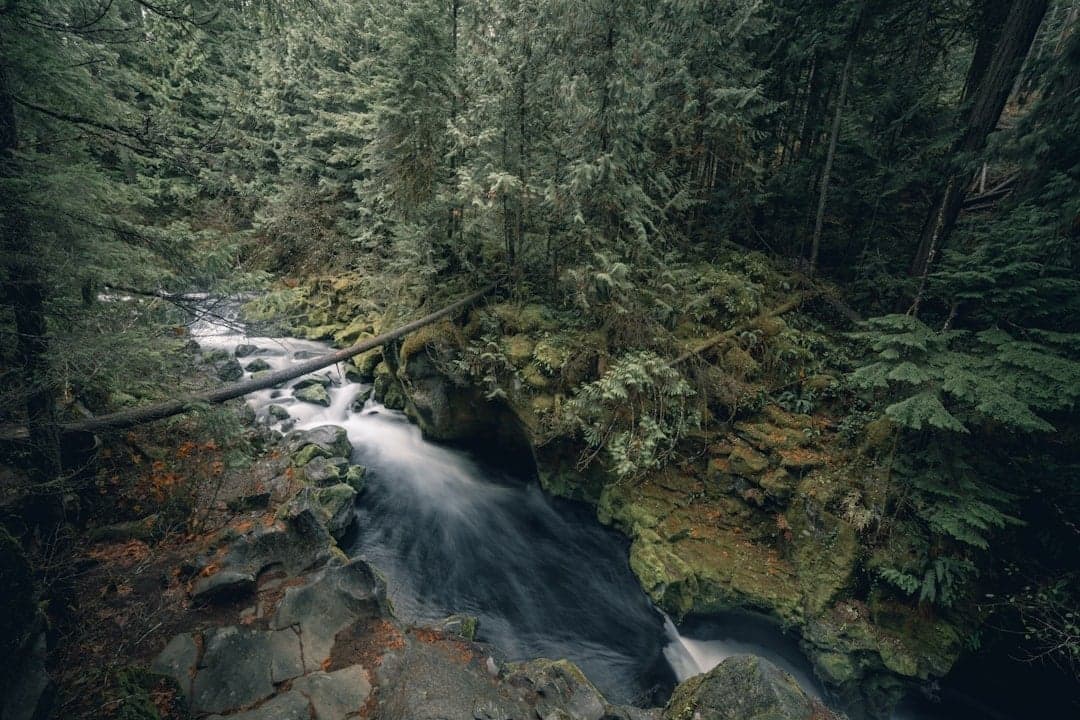
The Hoh is the crown jewel of Olympic Peninsula steelhead fishing. Glacier-fed from Mount Olympus within Olympic National Park, it produces some of the largest winter steelhead on the West Coast. Fish averaging 10-12 pounds are standard, and 20-pounders show up regularly.
What makes it special:
Access points (upriver to downriver):
Float logistics: The Morgan's Crossing to Oxbow float is approximately 8.5 river miles - a full day on the water. No concrete ramps anywhere on the Hoh; all launches are gravel bars. 4WD strongly recommended.
Shuttle services:
When to go: December through March. Wild steelhead peak in February and March. The first hatchery fish arrive in mid-December, with wild fish numbers building through winter.
Flow considerations: The Hoh River fishes best between 1,500-4,000 CFS at the Highway 101 gauge (USGS 12041200). Below 2,500 CFS is ideal - the water takes on an emerald green color that signals prime conditions. Rivers can spike 5,000% or more in 24 hours during storms - check gauges constantly. In a 2002 Christmas storm, the Hoh went from 2,000 CFS to over 40,000 CFS with 6 inches of rain in 24 hours.
The challenge: December sees the heaviest rainfall. You need to time trips between storms when the river is dropping and clearing.
The Sol Duc runs through Olympic National Park and offers the most consistent fishing in the Forks area - it's the only river in the system with a salmon hatchery, which means more fish in the water. Critically, it's one of the last rivers in the area to blow out from heavy rains, and one of the first to return to fishable levels.
What makes it special:
Access points (upriver to downriver):
Flow considerations: No USGS gauge on the Sol Duc - locals use "boards" (the number of cement parking blocks underwater at launches). Fishable up to 15 boards, with 8-12 boards being ideal. The river fishes well around 2,100-3,000 CFS equivalent. When the water loses its deep jade-green color and turns muddy brown, fishing is over until it clears.
When to go:
Insider tip: The middle and upper stretches see less boat traffic - fly anglers seeking solitude should focus there.
Current restrictions: The Sol Duc (mouth to Highway 101 Bridge) is closed April 1-30 for wild steelhead conservation. Check WDFW regulations before every trip, as closures have expanded in recent years following NOAA's moderate extinction risk assessment.
Many locals consider the Bogachiel (pronounced "bo-GAH-cheel," nicknamed "the Bogey") to offer the finest fly fishing on the peninsula. It's a clear freestone river originating from Bogachiel Peak in Olympic National Park, and it produces some of the region's biggest steelhead.
What makes it special:
Access points:
Flow considerations: The Bogachiel uses a depth gauge reading instead of CFS (USGS site 12043015). Look for gauge heights around 27-28 feet for ideal conditions. As a freestone river, it clears faster than the glacial Hoh after rain events.
When to go: Thanksgiving through New Year's is peak time for hatchery winter steelhead. December is typically the best month overall. March and April can be nearly as productive as peak winter, and the average size of fish is considerably larger during the late season.
Safety note: The Bogachiel contains dangerous rapids - only very experienced oarsmen should attempt to float it.
Current restrictions: Closed April 1-30 (mouth to Olympic National Park boundary) for conservation.
Best runs and access for fly anglers: The Bogachiel has several named runs that hold steelhead consistently. The hatchery pool immediately below the Bogachiel Hatchery is the most accessible and often the most productive spot on the river, especially early in the season when hatchery fish return first. The water from Bogachiel State Park downstream through the lower valley provides classic swing water with gravel bars and long, walking-speed runs. Wade anglers can work the inside bends and gravel bars effectively at moderate flows. For the best solitude, hike upstream on the Bogachiel River Trail into park water — the first mile above the park boundary receives far less pressure and holds wild fish throughout the season.
The Calawah joins the Bogachiel downstream, adding considerable flow during fall and winter. The area near the Calawah rearing ponds is a popular summer steelhead fishery.
What makes it special:
Access: Primary access via Bogachiel Hatchery area.
Flow considerations: Track Calawah flows on RiverReports for real-time conditions.
Safety note: Like the Bogachiel, the Calawah contains dangerous rapids - only very experienced oarsmen should float.
Restrictions: Fishing from a floating device is prohibited upstream of the Highway 101 Bridge. The South Fork Calawah is entirely closed to floating devices.
Current restrictions: Closed April 1-30 (mouth to forks) for conservation.
The Quillayute forms where the Sol Duc and Bogachiel join at Three Rivers, flowing to the Pacific at La Push. Though officially only 6 miles long, it's one of the Northwest's busiest salmon and steelhead rivers because every fish heading to the Sol Duc, Bogachiel, or Calawah passes through here.
What makes it special:
Access points:
Directions: Take US 101 to Forks, then head west on La Push Road (about 2 miles north of town). Continue 8 miles and turn right onto Mora Road.
The reality check: Most fish pass through quickly heading to their home streams. Success depends on finding holding fish rather than intercepting migrants. One local guide notes: "Most of these fish will be going like a bat out of hell to their home stream." Focus on the transitions and deeper holding water.
Facilities: Three Rivers Resort offers cabins, RV/tent sites, groceries, tackle, and gas.
Lake Crescent is home to the Beardslee rainbow trout - an endemic subspecies found nowhere else on Earth. These fish evolved in isolation after the last ice age and can reach 20+ pounds. The historical record stands at 23 pounds. This is a trophy-hunting experience unlike anything else on the peninsula.
What makes it special:
Techniques that work:
Seasonal timing: Beardslee spawn in late winter and early spring in tributary streams such as Barnes Creek. Early season before water warms offers the best shot at big fish in accessible depths.
Practical notes:
Regulations: Catch-and-release only. Artificial flies and lures with single barbless hooks only. No bait. Lures must weigh less than 2 ounces. No downriggers.
The Queets is the largest unregulated river on the Olympic Peninsula and historically produced some of the finest steelhead and salmon fishing in the Pacific Northwest. It flows entirely through Olympic National Park and the Quinault Indian Reservation, draining a massive glacial valley of old-growth rainforest.
Why it matters: The Queets historically produced steelhead over 20 pounds with regularity and was considered the premier wilderness steelhead river in Washington. Its remote character (no roads follow the river above the lower reaches) meant that anglers who fished it earned their fish through multi-day float trips or long hikes.
Current status: The Queets has been closed to sport fishing since November 2023 after failing to meet escapement goals in 8 of the last 10 years. There is no timeline for reopening. This closure underscores the conservation challenges facing Olympic Peninsula steelhead populations.
If it reopens: The Queets fishes best below 3,500 CFS. Access was primarily via drift boat from the Queets Campground (Olympic National Park) or from the upper river via a demanding float through Class II-III whitewater with significant logjam hazards. The lower river through the Quinault Reservation required tribal permission. Check WDFW emergency rules for any changes to the closure status.
Several Olympic Peninsula rivers are currently closed to protect declining wild steelhead populations. NOAA identified moderate risk of extinction for Olympic Peninsula steelhead in November 2024.
Queets River: Closed to sport fishing since November 27, 2023. This large glacier-fed system historically produced some of the largest steelhead and salmon on the West Coast, but failed to reach escapement goals 8 of the last 10 years.
Quinault River: Also closed since November 27, 2023. To fish the lower Quinault, you must be accompanied by a Quinault tribal member.
Elwha River: Closed to all fishing to support restoration following the historic 2011 dam removal. The river is showing remarkable natural recovery - summer steelhead populations are improving rapidly without hatchery assistance.
Hood Canal Rivers (Dosewallips, Duckabush, Skokomish): Winter steelhead fishing is closed on all Hood Canal rivers. Fewer than 1,500 steelhead return annually to these systems.
Understanding what to target and where to go each month is critical for planning an Olympic Peninsula trip.
| Month | Primary Target | Best Rivers | Conditions | Notes |
|---|---|---|---|---|
| January | Winter steelhead | Sol Duc, Bogachiel | Cold, frequent storms, rivers often high | Wild steelhead arriving; fish warming trends between storms |
| February | Winter steelhead (peak) | Hoh, Sol Duc, Bogachiel | Best month overall; wild fish peak | Book guides early; rivers can still blow out |
| March | Late winter steelhead | Hoh, Sol Duc, Bogachiel | Wild run continues; fish average larger | Last chance before April closures; some of the biggest fish of the year |
| April | Lake Crescent | Lake Crescent only | Most rivers closed April 1-30 | Beardslee trout in post-spawn transition; unique opportunity |
| May | Early summer steelhead | Sol Duc, Calawah (reopen May 1) | Rivers clearing; warmer water | Transition month; limited fishing |
| June-July | Summer steelhead, Chinook | Sol Duc, Hoh | Drier weather; lower flows | Summer-run fish arriving; Chinook in late June |
| August-September | Sea-run cutthroat, coho | Quillayute estuary, all rivers | Low, warm water; best weather | Sea-run cutthroat peak; coho arriving |
| October | Summer steelhead, coho | Sol Duc, Bogachiel | Fall rains begin; rivers rising | Wild summer steelhead peak; late coho |
| November | Early winter steelhead | Bogachiel, Sol Duc | Heavy rain returns; floods likely | Hatchery steelhead vanguard; unpredictable |
| December | Winter steelhead | All open rivers | Heaviest rain; frequent blow-outs | Hatchery fish peak; wild fish building |
Best two-week window for a first trip: The last two weeks of February into early March typically offer the best combination of fish numbers (both hatchery and wild steelhead in the rivers), improving weather (longer days, slightly less rain), and favorable flows. Plan for at least four fishing days to account for weather, since you will likely lose one or two days to blown-out conditions.
Winter steelhead are the main draw for Olympic Peninsula fly fishers. These are ocean-fresh fish that enter rivers from mid-December through March, averaging 10-12 pounds with 20-pounders always possible.
Run timing:
Best rivers: Hoh, Sol Duc, Bogachiel, Calawah
Summer-run fish enter rivers from June through fall, with the bulk of the wild run in September-October. They're generally smaller than winter fish but can be more aggressive.
Best rivers: Sol Duc, Bogachiel, Calawah
Run timing: Late June-July (peak mid-July). Some spring runs March-April. Can be caught April through November.
Best rivers: Sol Duc, Hoh
Run timing: August to early September for best action; October is prime time for hatchery Coho near La Push. Peak late September-October.
Best rivers: Sol Duc, Hoh
Run timing: Late summer into early fall, with August-September peak. These voracious 12-15" feeders offer excellent sport on light tackle.
Locations: Rivers and beaches throughout the peninsula. The Quillayute mouth is particularly good.
Present in upper Sol Duc (above Sol Duc Falls) and other waters. Cannot be targeted intentionally - catch and release required if encountered.
Olympic Peninsula rivers are rain-driven. Your success depends entirely on timing your trip around storm cycles.
These rivers can increase 5,000% or more in 24 hours during major storms. The ideal fishing window is:
Check these gauges before every trip:
| River | Gauge | Ideal Conditions |
|---|---|---|
| Hoh River | USGS 12041200 | Under 2,500 CFS ideal; fishable to 4,000 CFS; emerald green color |
| Sol Duc | WA Ecology (no USGS) | 8-12 "boards" ideal; jade green color |
| Bogachiel | USGS 12043015 (depth) | ~27-28 ft gauge height; clears faster than Hoh |
| Calawah | USGS 12043000 | Check trends; similar to Bogachiel |
| Queets | USGS 12039500 | CLOSED (under 3,500 CFS when open) |
Pro tip: Guides check gauge data daily to choose rivers. Too much overnight rain may mean switching to a completely different watershed. A river rising from 1,000 to 3,000 CFS overnight is very different from a steady 3,000 CFS over several days - the trend matters as much as the number.
Swinging flies is the traditional and most satisfying method for Olympic Peninsula steelhead. You're covering water efficiently, searching for that explosive grab.
Basic approach:
When to swing:
Rod setup:
When water is cold or fish aren't responding to swung flies, dead-drifting under an indicator is often more productive. Many guides split time: 2/3 day indicator nymphing from the boat, 1/3 swinging on foot.
Setup:
When to nymph:
Some outfitters (like Emerald Water Anglers) run swing-only operations. If you're here for the pure spey experience, seek out guides who share that philosophy. There's nothing wrong with nymphing - it catches more fish - but swinging for wild winter steelhead is the heart of this fishery.
Modern intruders and tube flies dominate the swing game:
Traditional patterns still produce:
| Condition | Recommended Colors |
|---|---|
| Clear water | Black and blue, purple, sparse patterns |
| Off-colored | Orange, pink, chartreuse, larger profiles |
| Low light | Black, purple, darker colors |
| Fresh fish | Brighter colors, pink, orange |
"Darn near anything you lash to a hook can catch you a steelhead. Size and presentation are MUCH more important. We tie fancy flies as much to please ourselves as the fish."
The Olympic Peninsula is classic spey country. Two-handed rods give you the casting efficiency needed to cover big water all day.
A good compromise for varied conditions:
Washington steelhead regulations are complex, strictly enforced, and change frequently. WDFW implemented significant changes for the 2025-26 season following NOAA's November 2024 moderate extinction risk assessment for Olympic Peninsula steelhead. Always verify current regulations on the WDFW website or Fish Washington app before any trip.
Check WDFW website before every trip. Sign up for Fishing Rule Change email notifications. Use the Fish Washington mobile app.
Logjams and Sweepers: The primary hazard on Olympic Peninsula rivers. Old-growth trees actively topple, and each storm changes river character and course. Logjams are critical habitat for fish but deadly for anglers. Always scout from the boat and stay alert.
Flash Flooding: Rivers can spike thousands of percent in hours. If conditions look marginal, don't wade deep. Watch the forecast constantly.
Slick Rocks: Studded boots are essential, not optional.
Pack rain gear for every trip. The North Coast gets 10-14 feet of annual rainfall. Hypothermia is a real risk - dress in layers, carry extra dry clothes.
Black Bears: Olympic National Park has only black bears (no grizzlies). Never leave food unattended. Use bear cans when backpacking. Wildlife is attracted to fish remains.
Cougars: Present in the area. Hike with others when possible.
For first-timers, a guide is worth the investment. These rivers are big, conditions change constantly, and local knowledge makes an enormous difference.
Waters West Fly Fishing Outfitters (Port Angeles)
Anadromy Fly Fishing (Forks)
OP Fly Fishing (Gray Struznik - Forks)
Blue Heron Guide Service (Larry Ford - Forks)
Emerald Water Anglers
Expect to pay: $650-750 per day for 1-2 anglers, including drift boat and tackle.
Forks is the hub for steelhead fishing - a full-service town with banks, restaurants, post office, outfitters, hardware store, hospital, and grocery. Various riverside retreats and cabin rentals available.
Port Angeles offers more amenities and is close to the eastern peninsula rivers and Lake Crescent.
DNR Campgrounds (Open year-round, 7-day max per 30 days):
Hoh River DNR Campgrounds (free, with river access):
Olympic National Park:
For float trips, you'll need shuttle arrangements:
Book shuttles in advance during peak season (February-March). Rates vary by distance and river.
If this is your first trip to the Olympic Peninsula for steelhead, here's where to start:
Best bet: Book a guide for at least your first day. These rivers are big, conditions change constantly, and local knowledge is invaluable. Expect to pay $650-750 for a full day including equipment.
DIY approach: Start with the Sol Duc River. It's the most consistent river in the system - last to blow out, first to clear. The multiple WDFW access sites make it easy to find water without local knowledge. Park at the Sol Duc Salmon Hatchery or Tumbling Rapids Park for good bank access.
Gear priority: If you're renting, get a 13' 7-8wt spey rod. You'll cover more water and cast more efficiently than with a single-hand rod. Even if your spey casting is rough, you'll learn fast with good water to practice on.
Timing: February and March offer the best combination of fish numbers (wild fish peak), weather (less likely to flood than December), and conditions. Plan for 3-4 days minimum - you'll likely lose at least one day to weather or blown-out rivers.
Realistic expectations: You might not catch a fish. Many experienced anglers spend multiple days between hookups. But when a 12-pound wild winter steelhead grabs your swung fly, you'll understand why people keep coming back.
Before your trip, check:
The key to Olympic Peninsula success is patience and timing. These rivers can go from unfishable to perfect in 48 hours. Watch flows obsessively, plan for flexibility, and be ready to move when conditions align.
Olympic Peninsula steelhead populations face serious challenges. NOAA's November 2024 assessment categorized Olympic Peninsula steelhead at moderate extinction risk, leading to significant regulation changes for the 2025-26 season and beyond.
What's changed:
What anglers can do:
The Elwha River, closed since the historic 2011 dam removal, offers a hopeful counterpoint. Wild steelhead populations are rebounding naturally without hatchery assistance, demonstrating what healthy habitat can produce when given the chance.
The Sol Duc River is the best choice for first-timers. It is the most consistent river in the Forks area, the last to blow out from heavy rains and the first to return to fishable levels. Multiple WDFW access sites provide easy bank access without needing local knowledge. The Sol Duc Salmon Hatchery and Tumbling Rapids Park are both good starting points with parking and clear paths to the water. If you can afford a guide ($650-750/day), book at least your first day. Local knowledge of where fish are holding and which runs to swing through makes a tremendous difference on these big rivers.
February and March offer the best combination of fish numbers and conditions. Wild steelhead peak during these months, weather is slightly less volatile than December, and days are longer. Plan for a minimum of four fishing days to account for blown-out conditions. You will almost certainly lose at least one day to high water or rain. The last two weeks of February into early March is the single best window for a planned trip. December can produce excellent hatchery steelhead fishing but has the heaviest rainfall and most frequent river blow-outs.
A spey rod is not required but is strongly recommended. These rivers are wide, and a 12.5-13.5 foot spey rod in 7-8 weight gives you the casting efficiency to cover water all day without exhausting your shoulder. You can fish a 9-foot 8-weight single-hand rod, but you will cover significantly less water per day. If you do not own a spey rod, most guide services include equipment. For DIY anglers, Waters West in Port Angeles rents gear and can give casting pointers. Even rough spey casting is more effective than good single-hand casting on these rivers — the extra reach and line control matter.
Expect rain. The Olympic Peninsula receives 10-14 feet of annual rainfall in the river valleys, with November through March being the wettest months. Daytime winter temperatures run in the 40s with nights dropping into the 20s. Pack multiple layers of breathable rain gear, waterproof boots, and at least two pairs of gloves. Bring a complete change of dry clothes for the truck. Cell service is limited or nonexistent in many river valleys — download offline maps and let someone know your plan. The weather is part of the experience — overcast, drizzly days with temperatures in the low 40s are ideal steelhead conditions.
| River | Best Months | Target Flow | Average Fish | First-Timer Friendly? |
|---|---|---|---|---|
| Hoh | Dec-Mar | Under 2,500 CFS (emerald green) | 10-12 lbs | Moderate - big water |
| Sol Duc | Dec-Mar, Sep-Oct | 8-12 "boards" | 8-12 lbs | Yes - best choice |
| Bogachiel | Nov-Mar | ~27-28 ft gauge | 10-12 lbs | Moderate - rapids |
| Calawah | Jun-Oct | Similar to Bogey | 8-10 lbs | Moderate |
| Quillayute | Aug-Oct (SRC) | N/A | Varies | Yes - easy access |
| Lake Crescent | Year-round | N/A | Varies | Yes - unique fishing |
Weekly flow updates and fishing intel.
© 2026 RiverReports, Inc.