Quick Reference
| What | When | Key Numbers |
|---|
| Middle Provo | Year-round (Green Drakes June-July) | 150-500 CFS; 2,500-3,500 fish/mile; browns 12-16" avg |
| Weber River | May (Mother's Day caddis), Sept-Oct | 100-220 CFS; less pressure than Provo; wild browns |
| Strawberry Reservoir | May-June (ice-off), October | Trophy cutthroat; 16-20" avg; 45 min drive |
| Summer fishing | Fish before 9am, after 5pm | Stop if water exceeds 67°F |
| Guided trips | Half-day $350-450, full-day $485-600 | Trout Bum 2 in Park City |
| UT License | Required 12+ | $120/year non-res (eff. July 2025) |
Flow205 CFS (Charleston) / 317 CFS (Jordanelle outflow) / 227 CFS (River Road Bridge)
Trendstable
Clarityclear
Temp59.5°F
Tungsten Split Case PMD #20Stealth Link Mercer PMD #20Corn-fed Caddis (CDC) Tan #20Corn-fed Caddis (CDC) Olive #20
Lower Provo RiverFishable
Flow460 CFS (below Deer Creek)
Trendstable
Clarityclear
Temp62-68°F
PMD nymphs #16-18PMD dries #16-18caddis #14-18hopper patterns #8-12
Flow78 CFS (Oakley) / 165 CFS (Wanship) / 185 CFS (Coalville)
Trendfalling
Clarityclear
Temp62°F
Bionic Hopper Tan #12hopper patterns #8-12Bionic Ant 2.0 Black #16ant patterns #14-18
🎣 TACTICS RIGHT NOWDry FlyHopper patterns #8-12 (peak terrestrial season on both rivers — fish tight to grassy banks and structure)Bionic Hopper Tan #12 (hot fly on Weber)ant patterns #14-18 (essential late-August fly — Bionic Ant 2.0 Black #16 dialing)beetle patterns #14-16cricket patterns #10-14Trico spinners #20-24 (early morning on Lower Middle Provo — well-established now)PMD Compara-Duns #16-20 (late morning hatches)Elk Hair Caddis #16-18 (mornings and evenings both rivers)Corn-fed Caddis CDC Tan/Olive #20 (producing on both rivers)Parachute BWO #22 (overcast/storm windows on Provo)CDC Compara-Duns #18-22Griffith's Gnat #18-20 (morning midge clusters)
NymphTungsten Split Case PMD #20 (hot fly on Provo)Stealth Link Mercer PMD #20Corn-fed Caddis CDC Tan #20Soft Hackle Pheasant Tail Jig #12 (hot fly on Weber)Juju Baetis Tungsten #22Pheasant Tail Tungsten #20sow bugs #18-22 (bread-and-butter point fly on both rivers)PMD emergers #16-18Zebra Midges (black) #20-26 (consistent near Jordanelle Dam)caddis larva #16-18caddis pupa #16-18San Juan Worms #16-18 (deeper runs)RS2 #20-22scuds #16-18
FORECASTPeak terrestrial season continues on both rivers with hoppers, ants, beetles, and crickets producing aggressive surface takes. Middle Provo flows at 205 CFS (Charleston) with 317 CFS out of Jordanelle — ideal wading and the best overall option near Park City. Water temps at 59.5°F on the Middle Provo rising through afternoons — carry a thermometer and fish early. Lower Provo running 460 CFS with temps hitting 67-68°F by afternoon — mornings only. Tricos well-established on Lower Middle Provo adding a reliable early morning dry fly option. PMDs and caddis remain the primary hatches; BWOs showing during overcast periods and frequent afternoon thunderstorm windows. Weber at seasonal lows — 78 CFS near Oakley, 165 CFS at Wanship — very low and clear, requiring stealth and fine tippet but less angling pressure. Watch for continued irrigation drawdowns on the Weber through end of August. Mirror Lake Highway open — Uinta backcountry streams fishable with attractor dries (#12-16) and terrestrials but running low, requiring careful catch-and-release practices. Expect terrestrials to remain productive through mid-September; fall BWO season ramps up late September with pre-spawn brown trout activity building in October.
Why Park City for Fly Fishing
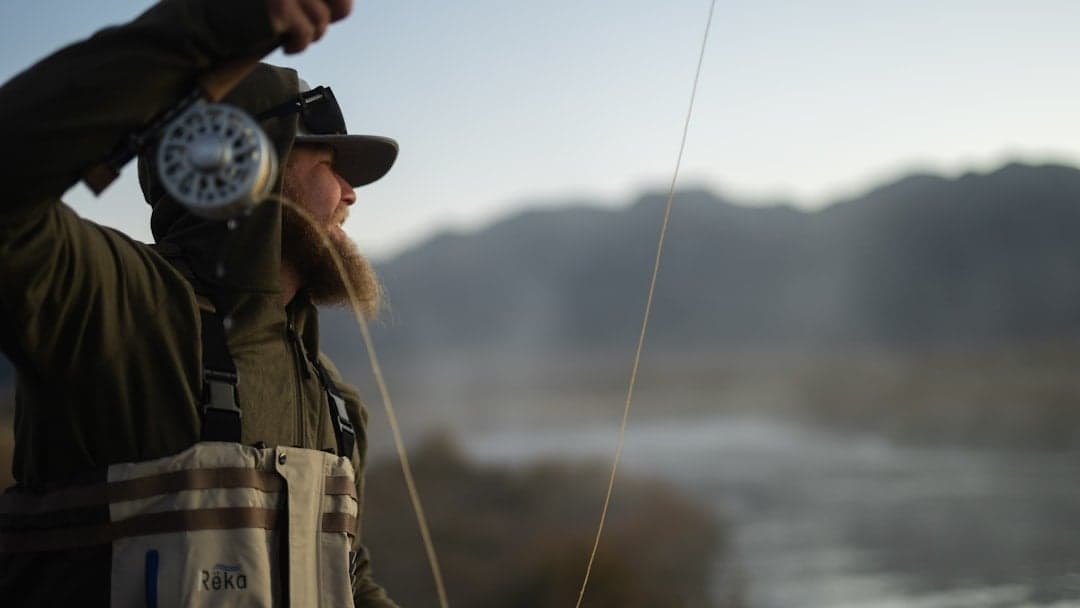
On a cool October morning, mist rises off the Provo River as the sun crests the Wasatch. A pod of browns works the surface in a glassy tailout, their rises barely dimpling the water as they sip BWOs. The summer crowds are gone. The cottonwoods glow yellow against the mountains. This is Park City fly fishing at its best, and it's 25 minutes from Main Street.
Park City sits at the center of Utah's best trout water. Within 45 minutes you can reach two blue-ribbon tailwaters (Provo and Weber), a dozen alpine streams in the Uinta Mountains, and several productive stillwaters. The high desert climate means fishable conditions nearly year-round, and the tailwaters stay productive even when freestone rivers blow out during spring runoff.
The Provo River gets the headlines: 3,000+ fish per mile, consistent hatches, easy access. But the Weber River 20 minutes away offers equally good fishing with a fraction of the pressure. And the backcountry streams hold wild cutthroats that rarely see a fly.
This guide covers all the water worth fishing within a reasonable drive of Park City. We'll tell you where to go, what flows to look for, which flies to carry, and when to show up.
The Waters
Provo River: Utah's Marquee Fishery
Distance from Park City: 20-40 minutes depending on section
The Provo is Utah's most productive public trout fishery, and the most pressured. Two dams create tailwater conditions that keep flows stable and temperatures consistent year-round. Fish densities run 2,500-3,500 trout per mile, predominantly brown trout with rainbows mixed in.
The river divides into three sections:
Middle Provo (Jordanelle Dam to Deer Creek Reservoir)
This 12-mile stretch is where most anglers focus. The Provo River Restoration Project rebuilt the channel with meanders, pools, and holding structure. Named spots like "Lunker Lane" near Jordanelle Dam and the water around "Rickety Bridge" hold fish consistently.
Optimal flows: 150-500 CFS at the Charleston gauge. Current winter flows run 145-150 CFS, excellent wade fishing. At 250-350 CFS fish spread out nicely; above 500 CFS stick to edges and slower runs.
Access: Seven designated public access points with parking and vault toilets along River Road and Highway 40. The River Road North lot is most popular (and most crowded). Charleston and Cottonwood see lighter pressure.
Best times: Year-round. Buffalo midge hatches start mid-March. Green Drakes run June-July. Fall brings aggressive pre-spawn browns.
Fish size: Browns average 12-16 inches with 18-20 inch fish caught regularly.
Upper Provo (Above Jordanelle)
Accessed via Mirror Lake Highway (UT-150) from Kamas. Classic freestone character: small water, pocket fishing, willing fish. Brook trout and cutthroats in the upper reaches; browns and rainbows closer to Jordanelle.
Best times: July-September after snowmelt subsides. The highway typically opens Memorial Day and closes with fall snow.
What to expect: Fish average 10-14 inches. Less pressure, more solitude, and trout that eat big dries: stoneflies, hoppers, attractor patterns.
Access note: A $10 (1-3 day) or $20 (7-day) recreation pass is required for Mirror Lake Highway parking areas.
Lower Provo (Below Deer Creek Dam)
Trophy water with the largest average fish in Utah, big rainbows especially. Flows through Provo Canyon with pocket water and deeper runs.
Optimal flows: 250-380 CFS for wading. Current flows around 350 CFS.
Access warning: As of 2024, some landowners have been confronting anglers along portions of the Lower Provo, claiming the water is private. The legal situation remains unresolved. Many guides are avoiding this section until courts clarify public access rights. If you fish the Lower, access only from clearly public areas and stay in the water.
Lower Provo Float Trips
The Lower Provo offers a mellow float through Provo Canyon, a good way to cover water and escape wading pressure.
The run: Deer Creek Dam to Vivian Park (approximately 4.5 miles)
Difficulty: Class I with one Class II obstacle at the railroad trestle
Float time: 3-4 hours at fishing pace, 1.5-2 hours straight through
Season: Mid-May through September (flow dependent)
What to know:
- The railroad trestle about 2/3 down the run is the main hazard. This old Heber Creeper trestle has caused accidents including broken bones. Many floaters portage on river right, there's an easy exit before the trestle and put-in below. Scout it your first time.
- Water stays cold (45-55°F) year-round, dress accordingly
- This is a popular recreational tubing run in summer. Fish early (launch by 7am) or late (4pm) to avoid the crowds.
- Several outfitters offer guided float fishing trips starting around $550-650 for 1-2 anglers
Float fishing tactics: Strip streamers along the banks, especially in low light. Hopper-dropper rigs work well along grassy banks in summer. The float accesses water that's hard to reach on foot.
Weber River: The Locals' Secret
Distance from Park City: 20-30 minutes
The Weber doesn't have the Provo's reputation, which is exactly why locals fish it. Wild brown trout, excellent hatches, and significantly less pressure. The Mother's Day caddis hatch in early May is legendary, some of the best dry fly fishing in the Intermountain West.
Middle Weber (Rockport Dam to Echo Reservoir)
The most productive section runs through Wanship and Coalville. Tailwater flows from Rockport create consistent conditions.
Optimal flows: 100-220 CFS for comfortable wading. Below 25-35 CFS is too low; above 300 CFS makes wading difficult. Check flows carefully. Echo Dam releases can be erratic.
Access: The Walk-In Access (WIA) program provides entry to private land along the river. Get the free access code at the Utah DWR website. Look for access ladders along fence lines at designated entry points.
Regulations: All cutthroat trout must be released. The Weber is deemed navigable from Holiday Park to Echo Reservoir, meaning you can legally fish from the streambed.
Best times: Late spring (Mother's Day caddis) and early fall. Summer hopper fishing is excellent.
Fish size: Browns to 20+ inches are present, though average fish run 12-15 inches.
Upper Weber (Above Rockport)
True freestone water with browns, rainbows, cutthroats, and some brook trout. Less consistent than the tailwater section but offers solitude.
Lower Weber (Echo Reservoir through Weber Canyon)
Trophy browns exist but populations are lower and access is difficult through the narrow canyon. Flows from Echo can drop to unfishable levels (recently as low as 2 CFS). Not recommended for visiting anglers.
Weber River Hatch Chart
The Weber has its own distinct hatch schedule. The Mother's Day caddis is the headline event, but the river fishes well year-round.
| Season | Primary Hatches | Key Patterns |
|---|
| Late Winter (Feb-March) | Midges, BWOs starting | Zebra Midge #20-24, BWO #18-20 |
| Early Spring (April) | BWOs building, early caddis | Parachute BWO #18-20, soft hackles |
| Mother's Day (early May) | Caddis explosion | Elk Hair Caddis #14-16, X-Caddis, Sparkle Pupa |
| Late Spring (May-June) | Caddis continuing, PMDs, Yellow Sallies | Same caddis, PMD #14-16, Yellow Stimulator |
| Summer (July-Aug) | Hoppers, ants, caddis | Chernobyl Ant #10-14, hoppers, beetles |
| Fall (Sept-Nov) | BWOs, caddis, streamers | BWO #18-22, streamers for pre-spawn browns |
Mother's Day Caddis Details: When water temps hit 50-54°F (typically early May), the Weber erupts. Caddis carpet the water from mid-morning through evening. Fish gorge on pupae rising to the surface, emerger patterns often outproduce dries. The hatch moves upstream over 2-3 weeks as water temperatures rise. Follow the 50-54°F water for the best action.
Stillwaters
Jordanelle Reservoir
Distance: 25 minutes via Highway 40
Rainbow trout, brown trout, smallmouth bass, and occasional tiger muskie. Best accessed by boat, though shore fishing is possible at Hailstone, Rock Cliff, and Ross Creek areas.
Day-use fee: $20/vehicle, $10 for Utah residents 65+
Note: Mercury advisory in effect for brown trout and smallmouth bass, check current consumption guidelines.
Strawberry Reservoir
Distance: 45-50 minutes southeast via Highway 40
Utah's premier stillwater fishery at 8,000 feet elevation. Trophy cutthroats and rainbows: fish over 20 inches are common, and 5-6 pounders are caught regularly. The shallow flats around the shoreline make this excellent water for fly fishing.
Access: Multiple areas including Strawberry Bay, Soldier Creek, and the Narrows. Day-use fees apply at developed areas.
Fly fishing tactics:
- Early season (ice-off through June): Fish shallow flats and inlet streams. Cutthroats cruise the shorelines looking for emerging insects. Strip leeches and Woolly Buggers along drop-offs, or suspend chironomids under an indicator in 6-15 feet of water.
- Summer (July-August): Fish move deeper as water warms. Focus on early morning and evening when fish come shallow. Damselfly and callibaetis patterns work well on calm mornings.
- Fall (September-October): Prime time. Kokanee spawn in the tributaries, and big cutthroats gorge on eggs and dying salmon. Strip bright egg patterns and flesh flies. Wade the inlet streams carefully.
- Winter: Popular ice fishing: not fly fishing territory, but worth knowing.
Best patterns: Woolly Bugger (#6-10, olive/black), Balanced Leech (#8-12), Chironomid (#14-18, black/red), Callibaetis (#14-16), Egg patterns (#12-16, October)
What to expect: Cutthroats average 16-20 inches with fish to 24"+ present. Rainbows run slightly smaller but fight hard. This is big-fish stillwater, worth the drive.
Rockport Reservoir
Distance: 30-35 minutes north via Highway 40 to Wanship, then Highway 32
Smallmouth bass, rainbow trout, and yellow perch. Less productive for fly fishing than Strawberry, but a good option when rivers are blown out or you want to target warmwater species.
Fly fishing tactics: Strip Clouser Minnows and crayfish patterns along rocky shorelines for smallmouth. Trout hold in deeper, cooler water, trolling or indicator fishing with chironomids works best.
Best times: Warmwater fishing peaks in June-August. Trout fishing is better in spring and fall when water temperatures moderate.
Mountain Streams
The Uinta Mountains hold over 100 miles of fishable small streams within an hour of Park City. These waters fish best July through September after snowmelt clears. This is dry fly paradise, eager cutthroats and brookies that eat Stimulators and Royal Wulffs without hesitation.
The experience is as good as the fishing. You'll hike through aspen groves and alpine meadows, cast to fish in water so clear you can count the spots on a cutthroat's back from 15 feet away, and often go hours without seeing another angler. Bring bug spray in early summer, the mosquitoes are as eager as the trout.
Currant Creek
Distance: 50 minutes via Highway 40 east toward Strawberry
Access: Turn north on Currant Creek Road (Forest Road 083) about 5 miles before Strawberry Reservoir. Multiple pullouts along the road for the next 8 miles.
Character: Canyon stream with willows, pocket water, and surprisingly deep pools. Wild Bonneville cutthroats dominate, with some browns in the lower reaches.
What to expect: Fish 8-14 inches, occasional 16-inch cuts in the deeper bends. Dry fly and dry-dropper exclusive. The stream fishes best above the private land section, look for the National Forest boundary signs.
Best patterns: Stimulator (#12-14), Royal Wulff (#14-16), Parachute Adams (#16), Elk Hair Caddis (#14-16)
West Fork Duchesne
Distance: 1 hour via Highway 40 to Duchesne, then north on Highway 87
Access: Forest Road 119 follows the stream for several miles. Hike upstream from the campground to escape the crowds (what few there are).
Character: Remote, intimate water. Small pools, undercut banks, and willing brookies mixed with cutthroats. The kind of stream where you can spot fish from 20 feet away and watch them rise to your fly.
What to expect: Smaller fish (8-12 inches average) but consistent action. Great for beginning fly fishers who want to catch fish on dries.
Diamond Fork
Distance: 45 minutes south via Highway 6 through Spanish Fork Canyon
Access: Exit Highway 6 at Diamond Fork Road (about 10 miles south of Spanish Fork). The road follows the stream for 10+ miles with numerous pullouts. The hot springs area gets crowded with hikers, fish above or below.
Character: Accessible freestone with good road access. Browns and rainbows, with some nice fish in the deeper runs. Warmer water than the high Uinta streams.
What to expect: Fish 10-16 inches. More pressure than the Uinta streams but still far less than the Provo. Attractor dries in summer, nymphs in spring and fall.
Smith and Morehouse Creek
Distance: 45 minutes via Highway 150 (Mirror Lake Highway) from Kamas, then Forest Road 033
Access: The reservoir has a campground with easy access. Fish the inlet stream above the reservoir or the outlet below.
Character: Beautiful alpine setting at 8,000+ feet. Rainbow trout and brook trout in the upper reaches.
What to expect: Fish 10-14 inches. The creek and reservoir provide a quieter alternative to the Provo system.
Small Stream Tactics
Gear: Pack a 3-4 weight rod, 7.5ft 5X leader, and a small box of attractor dries. You don't need much else.
Approach: These fish spook easily. Crouch low, stay off the skyline, and approach from downstream. Make your first cast count; you often only get one shot before fish scatter.
Best patterns: Stimulator (#12-16), Royal Wulff (#14-16), Parachute Adams (#14-18), Elk Hair Caddis (#14-16), Chernobyl Ant (#10-14). If dries aren't working, drop a small beadhead pheasant tail 18" below.
Timing: Mid-morning to late afternoon. No need to wake up early, bugs and fish get active once the sun warms the water.
Flow Guide
Flows determine where and how you'll fish. Here's what to look for:
Middle Provo (Charleston Gauge)
| CFS | Conditions | Recommendation |
|---|
| Under 130 | Very low | Fish concentrated in pools, extremely technical |
| 130-200 | Winter normal | Excellent wading everywhere, focused fishing |
| 250-350 | Ideal | Best balance of wading and fish spread |
| 350-500 | Prime hatch flows | Some deeper wading, productive water |
| 500-700 | Higher | Stick to edges, slower runs |
| Over 700 | Difficult | Bank fishing or float |
Current conditions: Check Provo River flows at Charleston
Lower Provo (Below Deer Creek)
| CFS | Conditions |
|---|
| Under 150 | Very low, fish concentrated |
| 150-250 | Excellent wading |
| 250-380 | Good fishing, moderate wading |
| Over 400 | Watch your footing, fish the edges |
Current conditions: Check Provo River flows at Provo
Weber River (Rockport to Echo)
| CFS | Conditions |
|---|
| Under 50 | Too low, stressed fish |
| 100-220 | Optimal wading |
| 220-300 | Fishable, careful wading |
| Over 300 | Difficult, consider alternatives |
Current conditions: Check Weber River flows at Echo
Key insight: Unlike freestone rivers, these tailwaters don't blow out with spring runoff. When mountain streams run high and muddy (April-June), the Provo and Weber remain fishable.
The Hatches
Winter (December-February)
Primary hatch: Midges (#20-26)
The tailwaters fish year-round. Midge hatches start when morning sun warms the water, typically 11am-2pm. Look for rising fish in slower pools and tailouts.
Productive patterns:
- Zebra Midge (#20-24, black/red/olive)
- Griffith's Gnat (#18-22)
- WD-40 (#20-22)
- RS2 (#18-22)
Subsurface: Sow bugs (#18-20), egg patterns (#14-18, especially through January when browns finish spawning)
Tip: Fish midday. There's no reason to wake up early in winter, bugs don't hatch until the water warms.
Early Spring (March-April)
Primary hatch: Buffalo Midge (#16-20)
The Provo's signature hatch. These large midges emerge starting mid-March, typically between 12:30pm and 3:30pm. The pupae have a distinctive humped back, about 90% of rising fish are eating emergers, not adults.
Key patterns:
- Mother Shucker (#18-22), the essential Buffalo midge emerger
- Morgan's Midge (#18-22)
- Griffith's Gnat (#18-20)
Also hatching: Blue-winged olives (#16-20) on overcast days
Tip: Overcast days produce longer, more intense Buffalo midge hatches. If the sun comes out bright, the hatch may be brief.
Late Spring (May-June)
Primary hatches: Mother's Day Caddis, BWOs, early PMDs
The Mother's Day caddis hatch on the Weber River (early May when water temps hit 50-54°F) is legendary. Fish gorge on emerging caddis, and dry fly fishing doesn't get better.
Caddis patterns:
- Elk Hair Caddis (#14-16, tan/olive)
- X-Caddis (#14-16)
- Sparkle Pupa (#14-16)
Also effective: Pale Morning Dun patterns (#14-16) as PMDs start; stonefly patterns on Upper Provo
Tip: The Mother's Day hatch moves upstream over several weeks as water temperatures rise. Follow the 50-54°F water.
Summer (June-August)
Primary hatches: Green Drakes, PMDs, caddis, terrestrials
Green Drake time on the Middle Provo (June-July) is the marquee event: big bugs, aggressive fish, and unfortunately crowds. PMDs hatch throughout summer, often strongest in morning and evening.
Drake patterns:
- Green Drake Cripple (#10-14)
- Parachute Drake (#10-12)
- Extended Body Drake (#10-12)
PMD patterns:
- PMD Comparadun (#14-16)
- Sparkle Dun (#14-16)
- Pheasant Tail nymph (#16-18)
Terrestrials (July-September):
- Hoppers (#8-14)
- Ants (#14-18)
- Beetles (#14-16)
Tip: Fish early morning or evening to avoid both crowds and water temperature concerns. Stop fishing if temps exceed 67-68°F, trout become stressed and catch-and-release mortality increases.
Fall (September-November)
Primary hatches: BWOs, continued caddis, streamers for pre-spawn browns
Blue-winged olives return in force, especially on overcast October afternoons. Brown trout become aggressive as spawning approaches.
Productive approaches:
- BWO dries (#18-22) during hatches
- Streamers (Woolly Bugger, Slumpbuster, #6-10) for aggressive browns
- Egg patterns (#14-18) as browns start spawning
Tip: Fall is the locals' favorite season: aggressive fish, low crowds, comfortable temperatures. Avoid walking through spawning redds (light gravel patches where fish are paired up).
Flies That Work
Nymphs (Year-Round Producers)
| Pattern | Sizes | Notes |
|---|
| Sow Bug | #18-22 | Provo bread-and-butter; peacock or gray |
| Zebra Midge | #20-24 | Black, red, olive variations |
| Pheasant Tail | #16-20 | Standard and flashback |
| RS2 | #18-22 | Gray or olive |
| San Juan Worm | #12-16 | Red; always works |
| Egg patterns | #14-18 | Essential Oct-Jan |
| Thread Midge | #22-26 | Black, cream, olive |
Dries
| Pattern | Sizes | Season |
|---|
| Mother Shucker | #18-22 | March-April (Buffalo midge) |
| Griffith's Gnat | #18-22 | Year-round midge clusters |
| Elk Hair Caddis | #14-16 | May-August |
| Green Drake | #10-14 | June-July |
| PMD Comparadun | #14-16 | June-August |
| Parachute Adams | #14-18 | All-purpose |
| Hopper | #8-14 | July-September |
| BWO | #18-22 | March-May, Sept-Nov |
Streamers
| Pattern | Sizes | Notes |
|---|
| Woolly Bugger | #6-10 | Olive or black |
| Slumpbuster | #6-8 | For bigger browns |
| Sculpzilla | #4-8 | Sculpin imitation |
| Leech | #10-14 | Slow retrieve |
Local intel: Smaller streamers outproduce large articulated patterns on the Provo. Think #8-10 Buggers, not 6-inch meat flies.
Rigging
Nymph Rig
The Provo's clear water and educated fish demand finesse:
Tippet: 6X minimum, often 7X. This is non-negotiable on the Middle Provo. Run 9ft leader to a tippet ring, then 4-5ft of 6X to your flies.
Depth: 4-6 feet under the indicator for typical runs.
Weight: Light. One or two #6 split shot is usually enough. Over-weighting spooks fish and drags bottom.
Standard two-fly rig:
- Point fly: Sow Bug (#18-20) or larger attractor
- Dropper (18" below): Thread midge (#22-26) or Zebra Midge
Dry Fly Rig
- 9ft 5X leader with 2-3ft of 6X tippet
- For midges: 7X tippet, #18-22 flies
- During Green Drakes: 5X is fine
Euro Nymphing
Tight-line nymphing works well on the Provo, especially in pocket water. Run lighter jig flies than you'd use on freestone water, these fish are used to subtle presentations.
Access Details
Middle Provo Access Points (North to South)
All seven sites have parking and vault toilets:
-
Below Jordanelle Dam - First access below the reservoir. "Lunker Lane" area. Less crowded than River Road.
-
River Road North - Most popular access. Dirt road on the left after crossing the river on River Road. Fills by 8am on summer weekends.
-
River Road South - Paved parking on the right after crossing. Walk downstream to escape crowds.
-
Cottonwood - North on Old Highway 40 about 2 miles from River Road. Less pressure.
-
Midway Junction - Near Highway 40/Midway junction.
-
Legacy Bridge - Where Midway Lane (SR-113) crosses the river. Regulatory boundary: special regulation water ends here.
-
Charleston - Near Deer Creek Reservoir. Good fall fishing as browns stage.
Weber River Access
The Walk-In Access (WIA) program provides entry to private land along the Weber. Get the free access code at Utah DWR's WIA page. Look for marked entry points with access ladders along fence lines.
Most productive sections are between Wanship and Coalville.
Upper Provo Access
Mirror Lake Highway (UT-150) has multiple pullouts with National Forest access. The highway typically opens Memorial Day weekend and closes with fall snow (usually late October).
Regulations
Regulations vary by section, know which water you're on:
Middle Provo (Jordanelle Dam to Legacy Bridge)
- Artificial flies and lures only
- 2 trout under 15 inches
Middle Provo (Legacy Bridge to Deer Creek)
- General regulations
- Bait allowed
- 4 trout any size
Lower Provo (Deer Creek Dam to Olmstead Diversion)
- Artificial flies and lures only
- 2 trout under 15 inches
Weber River
- All cutthroat trout must be released
- Otherwise general regulations
License Requirements
Utah fishing license required for anglers 12 and older.
2025 Non-resident fees (effective July 1, 2025):
- Adult (365-day): $120
- Youth (365-day): $49
- 3-day and 7-day options available
Purchase online at Utah DWR
Free Fishing Day 2025: June 7
Timing Your Trip
Best Months
March-April: Buffalo midge hatch on the Provo, light crowds, comfortable temperatures. One of the best windows of the year.
Early May: Mother's Day caddis on the Weber. If you can only make one trip, consider this.
June-July: Green Drake hatch on the Provo. Peak dry fly fishing but also peak pressure. Fish weekdays.
September-October: Fall is the local favorite. Aggressive pre-spawn browns, returning BWOs, and crowds disappear after Labor Day.
December-February: Midday midge fishing on tailwaters. Cold but productive, and you'll likely have the river to yourself.
Best Times of Day
| Season | Best Hours | Why |
|---|
| Winter | 10am-3pm | Midges hatch when water warms |
| Spring | 11am-4pm | Buffalo midge and BWO windows |
| Summer | Before 9am, after 5pm | Avoid heat, crowds, stressed fish |
| Fall | 11am-4pm | BWO hatches, comfortable temps |
Avoiding Crowds
- Fish the Weber instead of the Provo (same quality, 1/3 the pressure)
- Hit the Provo on weekdays
- Use Charleston or Cottonwood access instead of River Road
- Arrive by 7am on summer weekends
- Fish fall and winter
Local Fly Shops
Park City
Trout Bum 2
The only full-service fly shop in Park City. Gear, guides, and current intel. They'll tell you what's hatching and where fish are.
Heber City
Fish Heads Fly Shop
32 S Main Street, Heber City
(435) 657-2010
Minutes from the Provo. Knowledgeable staff, guide services, and they stock flies tied specifically for local hatches.
Kamas
Fishwest Fly Shop
138 West 280 South, Kamas
(435) 849-8701
Near the Upper Provo and Weber. Good selection and guide services.
Guide Services
If you're new to the area, a guide day accelerates your learning curve by years. They know where fish are holding right now, navigate access issues, and show you patterns that take seasons to figure out.
Typical rates: Half-day $350-450, full-day $485-600 for 1-2 anglers. Equipment included.
Recommended services:
- Park City Fly Fishing Guides (Orvis Endorsed) - Provo, Weber, and small streams
- Trout Bum 2 Guide Service - Local knowledge, all Park City waters
- Wilderness Trout Expeditions - Specializes in getting you away from crowds
- Rocky Mountain Outfitters (Orvis Endorsed) - 40+ years guiding the Provo and Weber
Weather and Conditions
Seasonal Patterns
Spring (March-May): Unpredictable weather. Mornings often freeze; afternoons can hit 60°F. Snow is possible through April. Runoff on freestone streams typically peaks late April through early June, stick to tailwaters during this window.
Summer (June-August): Warm days (70-85°F), cool mornings. Afternoon thunderstorms are common, especially in the Uintas. Lightning is a real hazard above treeline, get off the water by 2pm on days with building clouds.
Fall (September-November): The best weather for fishing. Cool, stable days, minimal crowds. First snow usually arrives in October at higher elevations. Mirror Lake Highway closes when snow accumulates (typically late October).
Winter (December-February): Cold but fishable on tailwaters. Daytime highs 25-40°F; mornings below zero are possible. Dress in layers, bring hand warmers, and focus on the 10am-3pm window.
Challenging Conditions
Wind: The Heber Valley and reservoirs can get windy, especially in spring. If you can't cast, move to a sheltered river section or fish the wind-protected pocket water on small streams.
Runoff: Typically late April through mid-June. The Provo and Weber tailwaters remain fishable while freestone streams run high and muddy. This is when the tailwaters shine: stable flows, concentrated fish, and less competition from backcountry options.
Heat: Summer afternoons can stress fish. Check water temps with a thermometer and stop fishing if temps exceed 67-68°F. Fish early, take a break midday, return in evening.
Winter ice: Bank ice forms on slower sections in winter. Watch your footing; ice shelves can collapse. The main channels usually stay open.
Hazards
Cold water: Tailwater releases run 35-55°F year-round. Dress for immersion: if you fall in, you'll get cold fast. Waders are essential except on the hottest summer days, and bring a change of clothes.
Slick rocks: Cobblestone bottoms are notoriously slippery, especially with algae growth in late summer. Felt soles or studded rubber (Korkers-style) provide better traction than plain rubber boots. Consider a wading staff, especially at higher flows or on unfamiliar water.
High altitude: Park City sits at 7,000 feet. The Uintas climb to 10,000+. Effects include faster fatigue, quicker sunburn (more UV at altitude), and afternoon thunderstorms that build suddenly. Drink plenty of water, use sunscreen, and take it slow if you're coming from lower elevation.
Lightning: Summer thunderstorms build quickly in the mountains, usually in the afternoon. If you see clouds building or hear thunder, get off the water immediately. Lightning kills more people in the mountains than any other natural hazard.
Heat stress on fish: Summer afternoon water temps can exceed 68°F. At these temperatures, catch-and-release mortality increases significantly, fish can't recover from the fight. Check water temp and stop fishing if it's too warm. The fish will be there next time.
Rattlesnakes: Rare in the immediate Park City area (too cold) but present at lower elevations around reservoirs and in Provo Canyon. Watch where you step in rocky areas, especially on warm afternoons.
Private property: Most of the Weber River runs through private land, use designated WIA access points. The Middle Provo has good public access, but some Lower Provo sections are in legal dispute. When in doubt, stay in the water and access only from clearly marked public areas.
Dam releases: Flows can change quickly below Jordanelle and Deer Creek dams. If water starts rising unexpectedly, move to the bank. Check current conditions before you go.
Practical Notes
Cell coverage: Good along the Middle Provo (Heber Valley has signal). Spotty on the Upper Provo along Mirror Lake Highway. Variable in Provo Canyon. The Uinta backcountry streams often have no signal, let someone know your plans.
Nearest hospital: Heber Valley Hospital (1485 S Highway 40, Heber City) covers the Middle Provo and Heber Valley. For Provo Canyon and lower areas, Utah Valley Hospital in Provo is closer.
Dogs: Allowed on leash at most public access points. Keep dogs out of the water near spawning fish (October-November). State parks may have specific rules, check before bringing dogs to Jordanelle or Deer Creek.
Wading boots: Felt soles are legal in Utah (unlike some states with invasive species concerns). However, if you've recently fished waters with didymo or other invasive species, dry your gear completely before fishing Utah waters.
Lodging
Park City offers the most dining and accommodation options but is pricey, especially during ski season.
Heber City/Midway put you closer to the Middle Provo with lower prices and a quieter feel.
Camping options:
- Jordanelle State Park - Multiple campgrounds near the reservoir
- Provo River Resort - RV park with river access
- Deer Creek State Park - Campground, though some areas closed for dam construction through 2026
- Mirror Lake Highway - Multiple National Forest campgrounds along the Upper Provo (Memorial Day-October)
Quick Reference
| Water | Distance | Best For | Pressure | Peak Season |
|---|
| Middle Provo | 20 min | Year-round fishing, consistent hatches | High | March-April (Buffalo midge), June-July (Green Drake) |
| Upper Provo | 40 min | Summer dries, solitude, willing fish | Low | July-September |
| Lower Provo | 35 min | Trophy fish, float trips | Moderate | March-April, October (access issues ongoing) |
| Weber River | 25 min | Mother's Day caddis, escape crowds | Low-Moderate | Early May (caddis), September-October |
| Currant Creek | 50 min | Wild cutthroats, dry fly heaven | Very Low | July-September |
| Diamond Fork | 45 min | Accessible freestone, browns | Low | June-September |
| Strawberry Reservoir | 45 min | Trophy cutthroats, stillwater | Low-Moderate | Ice-off (May-June), October (kokanee spawn) |
Flow Quick Check
| Water | Optimal Range | Too Low | Too High |
|---|
| Middle Provo | 150-500 CFS | Under 130 | Over 700 |
| Lower Provo | 250-380 CFS | Under 150 | Over 450 |
| Weber (Middle) | 100-220 CFS | Under 50 | Over 300 |
Local Knowledge
What Experienced Anglers Know
The Weber is underrated. It's just as productive as the Provo with a fraction of the pressure. On a summer Saturday when River Road parking is jammed, you might have a mile of the Weber to yourself. Locals fish the Weber and leave the Provo to visitors.
Fall is the best season. September-October combines aggressive pre-spawn browns, returning BWO hatches, declining crowds, and perfect weather. If you can choose when to visit, choose fall. The locals do.
Winter midge fishing is real. Bundle up, fish 10am-3pm, use small flies (size 22-26), and you'll have blue-ribbon water to yourself. The Middle Provo holds 3,000+ fish per mile year-round; they don't disappear in winter, they just eat smaller food and move slower.
Don't skip the Mother's Day caddis. Early May on the Weber is some of the best dry fly fishing in the Intermountain West. Plan your trip around it if possible.
Smaller streamers outperform articulated patterns. On the Provo, a #8-10 olive Bugger or small sculpin pattern catches more fish than 6-inch meat flies. These fish see a lot of pressure, subtlety wins.
The Green Drake hatch brings crowds. June-July dry fly fishing on the Middle Provo is spectacular, but so is the parking lot. If you want solitude during peak season, fish the Weber or head to backcountry streams.
Specific Spots Worth Knowing
Lunker Lane (Middle Provo): The stretch just below Jordanelle Dam. Named for a reason, big browns stack up here in cooler dam releases. Fish it early or late to beat the crowds.
Rickety Bridge (Middle Provo): A local landmark with consistently good water. The pools above and below the bridge hold fish year-round.
Charleston flats (Middle Provo): The section approaching Deer Creek Reservoir. Slower, glassier water that's good for sight-fishing in low light. Browns stage here in fall before spawning.
Wanship section (Weber): The stretch through town sees the most Mother's Day caddis activity. Park at the town park and walk upstream.
Coalville section (Weber): Less accessible than Wanship, equally productive. Good holding water with fewer anglers.
If-Then Scenarios
If the Provo is crowded → Fish the Weber. Same quality, less company.
If flows are too high to wade → Fish from the bank with streamers, or head to a reservoir.
If freestone streams are blown out → Tailwaters (Provo, Weber) will be fishable. This is their superpower.
If it's midday in summer and nothing's rising → Take a break. Nap. Eat lunch. Return at 5pm when temps cool and caddis start moving.
If you're new to the area → Book a half-day guide trip. One morning with a good guide teaches you what takes years to figure out alone.
If you want dry flies and solitude → Head to the Uinta streams in August-September. Eager cutthroats, attractor dries, no one around.
If you want a trophy → Fish Strawberry Reservoir in October when cutthroats gorge on kokanee spawn. Or fish streamers on the Lower Provo in early spring (if access issues are resolved).
Frequently Asked Questions
Is Park City good for fly fishing?
Yes. Park City offers excellent fly fishing within 45 minutes in every direction. The Middle Provo River holds 3,500 brown trout per mile and is one of Utah's premier tailwaters. The Weber River fishes well year-round with less pressure, and high-Uinta streams provide backcountry cutthroat fishing in summer. With multiple rivers, reservoirs, and mountain streams nearby, Park City is one of the best fly fishing base camps in the Mountain West.
What rivers can you fly fish near Park City?
The top rivers near Park City are the Provo River (both the Middle and Lower sections), the Weber River from Wanship through Coalville, and several Uinta mountain streams including the upper Provo and Duchesne drainages. Strawberry Reservoir also offers excellent stillwater fly fishing for cutthroat trout, especially in fall when fish feed aggressively near spawning kokanee.
What is the best time to fly fish in Park City, Utah?
The best fly fishing near Park City runs from April through October. Spring brings BWO and midge hatches on the Provo River, summer peaks with PMDs and caddis across all waters, and fall offers streamer fishing for aggressive brown trout. Winter midge fishing is productive on tailwater sections of both the Provo and Weber rivers, just dress warmly and fish midday when temperatures rise.