Quick Reference
| What | When | Key Numbers |
|---|
| Racecourse | July-Aug (year-round for outfitters) | 500-1,200 CFS ideal; Class III-IV; 2-2.5 hrs |
| Rio Chama alternative | Fri-Sun mid-July to mid-Sept | 500 CFS guaranteed releases; permit required |
| Monsoon season | Mid-June to Sept | Plan for afternoon storms; morning trips best |
| Orilla Verde camping | Year-round | $5-15/night; no cell service; 575-751-4899 |
| Guided rafting | Meet in Pilar 9:15am or 1:15pm | $60-100/person half-day; Far Flung Adventures |
| Hopper fishing | August peak | Best dry fly month; browns to 20"+ |
Flow141 CFS
Trendfalling
Clarityclear
Temp68-72°F
Hopper #10-12 (foam/yellow)Stimulator #10-12Beetles #14-16Small Ants #16-18
FORECASTThe brief monsoon pulse that bumped flows to 171 CFS on August 22 has already faded — back down to 141 CFS by August 25, receding roughly 20% per day. This confirms the pattern all summer: individual storms spike flows briefly but decay within 48-72 hours. Five-day forecast projects further decline toward 132 CFS by August 30 (range 85-205 CFS). At roughly 25% of the 563 CFS historical median, floating remains unfeasible for standard rafts (need 500+ CFS). Outfitters continue running the Racecourse with inflatable kayaks, adapting with weight-shifting and portaging techniques per ABQ Journal reporting. Taos Box closed for the season. Late monsoon surges through September remain theoretically possible — a sustained multi-day storm system could temporarily push flows toward 300-400 CFS via Red River and Rio Pueblo de Taos inputs — but the trend is clearly downward and sustained floating-level flows are extremely unlikely this season. Cerro gauge upstream reading just 32 CFS underscores how dire upper basin inflows are. Rio Chama guaranteed weekend releases (500 CFS, Fri-Sun through Sept 15) remain the only reliable floating option — don't miss those final weekends. Fishing remains the bright spot but is strictly time-limited by heat stress. Water temps hitting 72°F by late morning per Orvis, well above the 68°F stress threshold. NM Game & Fish (8/22) explicitly warns that catch-and-release mortality is high and urges morning/evening fishing only. Peak hopper season with Tricos and BWOs adding a morning dry fly dimension — this is the best dry-fly fishing of the year if you set an early alarm. Monitor the Taos Junction Bridge gauge (08276500) for any monsoon spikes. Contact outfitters directly before planning float trips.
Overview
July and August on the Rio Grande are different from the high-water spring season - and that's not necessarily a bad thing. While you won't find the big whitewater of May and June, summer brings warmer water temperatures (65-75°F), family-friendly rapids, and the possibility of monsoon-boosted flows.
The Rio Grande near Taos offers several sections that remain runnable throughout the summer, from mellow scenic floats to technical Class III whitewater. Further south in Big Bend, summer floating is generally not recommended due to extreme heat and low water.
Location and Access
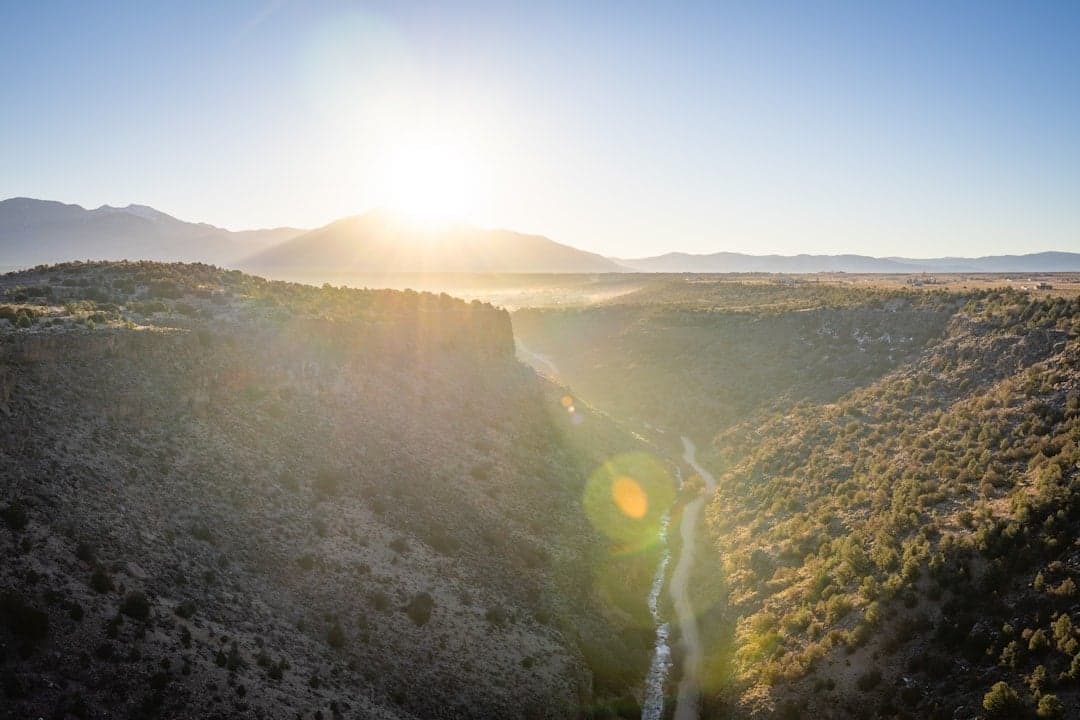
The prime summer floating on the Rio Grande is concentrated in northern New Mexico, particularly in the Rio Grande Gorge near Taos. The river has carved a dramatic 800-foot deep canyon through volcanic basalt, creating one of the most scenic float destinations in the Southwest.
Key Access Areas
| Location | What's There | Notes |
|---|
| Orilla Verde Recreation Area | 7 campgrounds, boat launches, visitor center | BLM-managed, $3/day use fee |
| Pilar | Outfitter meeting point, restaurants | Between mile markers 28-29 on NM-68 |
| Taos Junction Bridge | Parking, restrooms, campground | Common endpoint, closes Nov 1 - Mar 15 |
| John Dunn Bridge | Trailhead for Middle Box | Requires 1-mile hike (800 ft descent) |
Distances:
- Taos to Pilar: 20-25 minutes
- Santa Fe to Pilar: 1 hour 15 minutes
- Albuquerque to Pilar: 2.5 hours
Orilla Verde Fees and Camping
- Day use: $3/vehicle (or $20 annual pass)
- Primitive camping: $5/night
- Developed sites: $7/night
- RV sites with hookups: $15/night (Pilar and Rio Bravo campgrounds)
- Group shelters: $30/day use, $40/overnight (call 575-758-8851)
All camping is first-come, first-served. Self-service pay stations are located at campgrounds. Visitor Center: 575-751-4899.
Campground tips:
- Rio Bravo is the nicest campground with river access, flush toilets, and heated bathrooms - only 4 RV hookup sites (electric + water, pull-through). Sites fill by early afternoon on summer weekends; arrive before noon.
- Pilar campground RV sites are more private but farther from the river.
- The farther you go up NM-570, the quieter and less crowded the campgrounds become.
- No cell service anywhere in the recreation area. Nearest supplies are ~13 miles away in Rancho de Taos.
- Showers available at Rio Bravo ($1 for 4 minutes) - bring quarters.
- Boat launches at: Taos Junction, Lone Juniper, Rio Bravo, and Quartzite.
Understanding the Gauges
The Rio Grande has multiple gauge stations, and understanding their relationship helps with trip planning. Track flows on RiverReports.
| Gauge | Location | What It Tells You |
|---|
| Cerro (08263500) | Upper gorge | Upstream reference for Taos Box |
| Taos Junction Bridge (08276500) | Below Pilar | Best gauge for Racecourse/Orilla Verde |
Key insight: The Taos Junction Bridge gauge reads higher than Cerro because it incorporates tributary inflows from the Red River and Rio Pueblo de Taos. In summer, expect the Taos Junction gauge to read roughly 150-200 CFS higher than Cerro.
Flow Windows
Summer flows on the Rio Grande are typically lower than spring, but the Racecourse section remains runnable most of the season. Reference the Taos Junction Bridge gauge (08276500) for these ranges.
| Flow (CFS) | Conditions |
|---|
| Under 300 | Very low - technical rock dodging, kayaks only |
| 300-500 | Low summer flows - commercial rafts can run but it's bumpy |
| 500-1,200 | Good summer range - Racecourse runs well for rafts and kayaks |
| 1,200-2,000 | Higher flows - monsoon boost, more exciting rapids |
| Over 2,000 | Elevated - check with outfitters, some sections become pushy |
Typical July-August reality: Expect flows of 150-400 CFS at the Cerro gauge, translating to roughly 300-600 CFS at Taos Junction Bridge. Monsoon storms can temporarily bump flows 200-500 CFS higher.
Optimal flow: 800 CFS is considered ideal for the Racecourse - enough water to run clean lines without scraping.
Summer Sections
The Racecourse (6 miles)
The most popular summer section, running from Quartzite (below Pilar) to the County Line. This is where outfitters run trips from March through October.
The basics:
- Class III- to IV- (depending on flow)
- Recommended flow: 400-2,500 CFS (optimal: 800 CFS)
- Trip time: 2 hours on water, 3-3.5 hours total with outfitter
- Ages 6+ with most commercial operators
Named rapids (upstream to downstream):
- Albert's Falls
- Herringbone
- The Narrows
- Big Rocks
- Souse Hole
At lower summer flows (under 500 CFS), the Racecourse becomes more technical - you're navigating around exposed rocks rather than punching through waves. Commercial operators describe this as "bump and grind" territory. It requires more maneuvering but is generally considered safe for beginners with a guide.
Shuttle logistics: Most outfitters have you park at the County Line take-out and provide shuttle to the put-in. Your keys stay with the shuttle driver. Trip ends back at your car.
Lower Gorge / Orilla Verde (7-10 miles)
A mellower option combining scenic flat water with the Racecourse whitewater. Full-day trips typically cover this entire stretch.
- Class I-III depending on which sections you include
- Float fishing takes place here - 700-foot deep canyon through black basalt
- Good option for combining rafting with other activities
- More wildlife viewing opportunities in the calmer upper sections
The Taos Box (16 miles)
The premier whitewater run in New Mexico - but it's typically not available in July and August.
Minimum flows:
- Commercial operators need ~600 CFS minimum to run the Box
- 500 CFS is considered the lower limit for rafts ("bump and grind")
- 900 CFS is considered a "fine level"
The Taos Box is rated Class IV+ due to the length and multiple technical moves required, particularly at Rock Garden, Dead Car, and Powerline rapids.
Why it closes in summer: Starting April 1, Colorado takes 200-250 CFS out of the Rio Grande for agricultural use. Combined with declining snowmelt, this typically drops flows below runnable levels by mid-May to early July, depending on snowpack.
If you're specifically seeking the Taos Box experience, plan your trip for late March through May.
Middle Box (Wilderness Section)
For those wanting a more remote summer experience, the Middle Box offers a full-day wilderness adventure even when other sections are too low.
- Requires a 1-mile hike into the canyon (800 feet elevation loss via John Dunn Bridge trail)
- Class III-IV rapids
- Ages 12+ minimum
- Less crowded than the Racecourse
- 17-mile journey if combined with other sections
July vs. August Conditions
July
- Typically the lower-flow month as snowmelt has finished
- Monsoon season officially starts June 15, but significant moisture usually arrives late June or early July
- Afternoon thunderstorms can briefly raise water levels (usually 2-5 PM)
- Water temperature: 65-70°F - comfortable for swimming
- Outfitters offer inflatable kayak trips when flows drop below raft-friendly levels
August
- Monsoon pattern is established - expect afternoon storms most days
- Water clarity can be affected by storm runoff (muddy for a day or two after big storms)
- Hopper season for anglers - grasshoppers are everywhere
- Water temperature: 70-75°F - warmest of the year
- Best water clarity typically comes late August into September
Rio Chama: Guaranteed Release Weekends
The nearby Rio Chama (not the Rio Grande) offers guaranteed release weekends from July 16 through September 15. This is a great alternative when the Rio Grande is running too low.
How it works:
- El Vado Dam releases 500 CFS starting Friday at noon
- Releases end Sunday at noon
- Takes ~8 hours for flows to reach or recede at Chavez Canyon
- Weekdays run at extremely low flows (80-100 CFS) - not runnable
Important: The Rio Chama requires a permit (lottery system for Friday/Saturday launches). The lottery runs December 1 - January 31. Check recreation.gov for availability.
Monsoon Considerations
Monsoon season (mid-June through September) brings a distinct weather pattern to northern New Mexico.
Flash Flood Risk:
- Thunderstorms can produce rapid water level changes
- Storm runoff from side canyons can suddenly increase main river flow
- If you see dark clouds building upstream, be prepared for changing conditions
- Outfitters monitor weather carefully and will adjust or cancel trips if needed
Daily Pattern:
- Mornings are typically clear and calm - best time to be on the water
- Clouds build through late morning
- Afternoon thunderstorms are common (usually 2-5 PM)
- Evenings often clear again
Planning Around Weather:
- Book morning departure times (9 AM trips avoid most storms)
- Bring a rain layer even on sunny mornings
- Watch the sky - if storms are building, you may want to get off the water early
Private Boaters
Private boaters don't need a permit on the Rio Grande, but there are a few requirements:
- Register before launching: Call the BLM River Program at 575-758-8851
- Day use fees apply: $3/vehicle at Orilla Verde put-ins and take-outs
- Camping in Ute Mountain segment: Call 575-751-4720 to reserve
- Flow information: Call 888-882-6188 for recorded river conditions
Shuttle services: Wild Adventure Outfitters (wildadventureoutfitters.com) provides shuttles and rental equipment for private trips.
Outfitters and Guides
Several established outfitters run summer trips on the Rio Grande. All provide equipment, guides, and transportation:
| Outfitter | Best For | Contact |
|---|
| Far Flung Adventures | Families, multi-day trips (operating since 1976) | farflung.com |
| Los Rios River Runners | Repeat visitors wanting more adventure | losriosriverrunners.com |
| New Mexico River Adventures | Low-water kayak trips when rafts can't run | newmexicoriveradventures.com |
| New Wave Rafting | Convenient location between Santa Fe and Taos | newwaverafting.com |
| Big River Raft Trips | First-timers and families with young kids (ages 6+) | bigriverrafts.com |
Choosing an outfitter: All receive consistently positive reviews for professional, knowledgeable guides. Far Flung has the longest history (since 1976) and is known for well-organized multi-day trips with good food. Los Rios has a loyal following among experienced rafters who appreciate a more adventurous pace. For families with younger children or first-timers, Big River focuses on making the experience accessible and fun.
Typical pricing:
- Half-day Racecourse: $60-100 per person
- Full-day Lower Gorge: $100-200 per person
Meeting location: Most outfitters meet in the village of Pilar (between mile markers 28-29 on NM-68) at either 9:15 AM or 1:15 PM.
Big Bend (Texas) - Summer Warning
While northern New Mexico offers good summer floating, the Rio Grande through Big Bend National Park is generally not recommended for summer trips:
- Most outfitters don't operate from May through September due to extreme heat
- Temperatures regularly exceed 100°F with no shade in the canyons
- River levels are highly variable and often too low for rafts
- Canoes work better than rafts when water is scarce
- Permits still required from NPS
If you want to float Big Bend, plan for November through April when temperatures are reasonable and fall/winter flows are often better than summer.
Fishing the Summer Rio Grande
For anglers, July and August bring different opportunities than the famous spring hatches.
Access for Anglers
The gorge is rugged - most access requires hiking 1/2 to 3 miles on steep trails with 200-1,200 feet of elevation change. Hip waders or breathable waders with lug soles are essential for boulder-hopping and wading.
Best access points:
- Taos Junction Bridge: Ample parking, restrooms, good fishing nearby
- Orilla Verde Recreation Area: NM-570 runs alongside the river for 10-11 miles with multiple access points
- NM-68 from Pilar to County Line: Roadside access to lower canyon
- Float fishing: The only practical way to access miles of less-pressured water
Fish species: Browns (including some very large fish), rainbows, and cutbows. The Rio Grande holds tremendous populations of nice-sized trout.
July Fishing
- Green Drake hatches taper off in early July
- Golden stoneflies and yellow sallies active in fast water
- Caddis hatches continue throughout the month
- Start looking for early terrestrial activity
- Water clarity can be variable due to early monsoon runoff
August Fishing
- Hopper season - grasshoppers become primary food source along grassy banks
- Large dry flies (hoppers, beetles, ants) are highly effective
- Streamer fishing can produce the biggest fish of the year
- Water clarity is typically best late August into fall
- Float fishing in Orilla Verde allows access to less-pressured water
Recommended summer flies:
- Hoppers, beetles, and ants (sizes 8-12)
- Elk Hair Caddis (sizes 12-16)
- Stimulators and Royal Wulffs (sizes 10-14)
- Pat's Rubberlegs and stonefly nymphs for subsurface
- Streamers (Woolly Buggers, Sculpins) for big browns
License requirements: New Mexico fishing license required for anyone 12 or older, plus a Habitat Stamp for fishing on BLM or Forest Service lands. Available at wildlife.dgf.nm.gov.
Safety and Gear
Required by Law (New Mexico)
- PFD/Life jacket must be worn at all times on the river within the BLM Wild & Scenic corridor and strongly recommended everywhere
- Whistle or horn audible from 1/2 mile
- All boaters must comply with BLM boating regulations
Recommended for Summer
- River shoes with good traction (you'll be walking on slippery rocks)
- Sun protection - hat, sunscreen, sun shirt (canyon walls reflect heat)
- 2+ liters of water per person (more for full-day trips)
- Rain jacket for afternoon storms
- Dry bag for electronics and valuables
- Wetsuit booties if water is still cold (early July)
Hazards to Know
River hazards:
- Holes and hydraulics at named rapids - follow your guide's line
- Wrap rocks - large boulders that can pin boats at higher flows
- Undercut walls in the gorge - stay away from canyon walls in current
- Rock Garden (Taos Box) - requires multiple technical moves at any water level
Environmental hazards:
- Sun exposure - canyon walls reflect heat; dehydration is common at 6,100 feet elevation
- Flash floods during monsoon - watch for sudden water level changes or muddy water from side canyons
- Afternoon lightning - get off the water if storms approach
Using RiverReports
Check current conditions before planning your trip:
- New Mexico rivers shows real-time USGS flow data
- Reference the Taos Junction Bridge gauge (08276500) for Racecourse/Orilla Verde
- Compare current flow to runnable ranges: 500-1,200 CFS is the sweet spot for summer rafting
- Check weather forecasts for monsoon activity
Pro tip: Summer flows can change quickly due to monsoon storms. Check conditions 24-48 hours before your trip, but be prepared for variability. Call the BLM flow hotline at 888-882-6188 for current conditions.
Planning a summer trip to the Rio Grande? Local outfitters can provide the most current information about which sections are running and what to expect. The Orilla Verde Visitor Center (575-751-4899) is also a good resource for current conditions and camping availability.