Public vs. Private Water Access in Colorado: What Fly Fishermen Need to Know
Colorado's streambed laws are unlike any neighboring state. A river-by-river guide to staying legal.
Greg Lamp
August 26, 2026
10 min read
If you've fished Montana, you probably walked right into the river from any gravel bar you found. In Colorado, that same move could get you a trespassing charge.
The difference is the streambed. In Montana, the public holds the right to use it. In Colorado, the adjacent landowner owns it, and standing in six inches of water on a private stretch is legally no different from standing in somebody's driveway. The water moving past your legs belongs to the public. The gravel under your boots does not.
Colorado is one of the most restrictive stream access states in the West, and none of it is intuitive if you learned to fish anywhere else. Here is where you can actually stand.
The law, in plain terms
Colorado follows what's called the private streambed doctrine. The water itself belongs to the state. But the ground underneath it, the banks, the gravel bars, the exposed cobble at low water: all of that belongs to whoever owns the adjacent land.
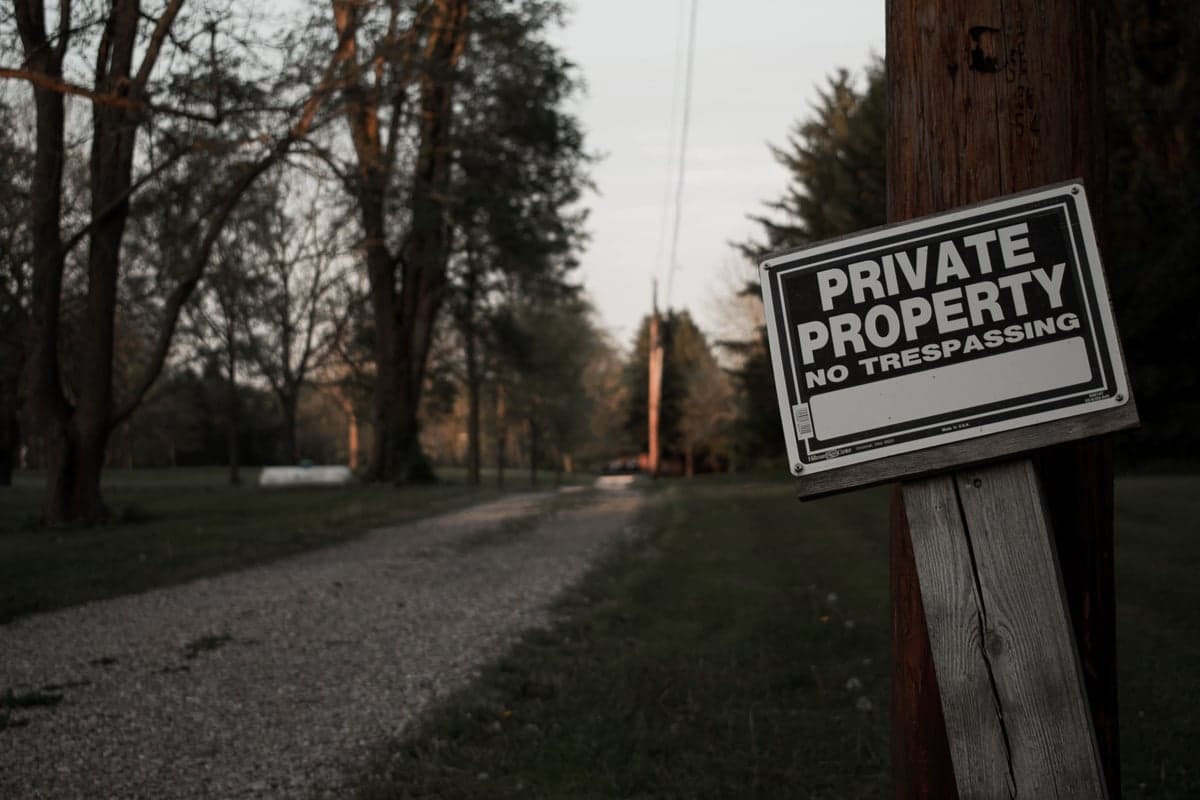
Signs like these line many Colorado riverbanks. When you see one, take it seriously.
The controlling case is People v. Emmert (1979). Three rafters floated through private property on the Colorado River near Kremmling, passed under a barbed wire fence strung across the water, and got arrested for criminal trespass. The Colorado Supreme Court upheld the conviction.
That ruling created the framework anglers still live under today:
- You cannot wade through a privately owned streambed, period. Even if you entered from public land upstream and never left the water.
- You can float through private property in a boat, raft, or tube, but you cannot touch the bottom or banks. No anchoring. No beaching. No stepping out to unhook a snag.
- If you're floating and your feet graze the bottom, technically you're trespassing.
A Colorado Attorney General opinion issued shortly after Emmert clarified that rafters and kayakers could pass through private sections without touching the streambed. But that opinion doesn't carry the force of law, and it hasn't been tested in court in a clean case.
How to know where you can and can't fish
Colorado doesn't make this easy. There's no statewide map showing exactly where public access ends and private property begins. You have to piece it together.
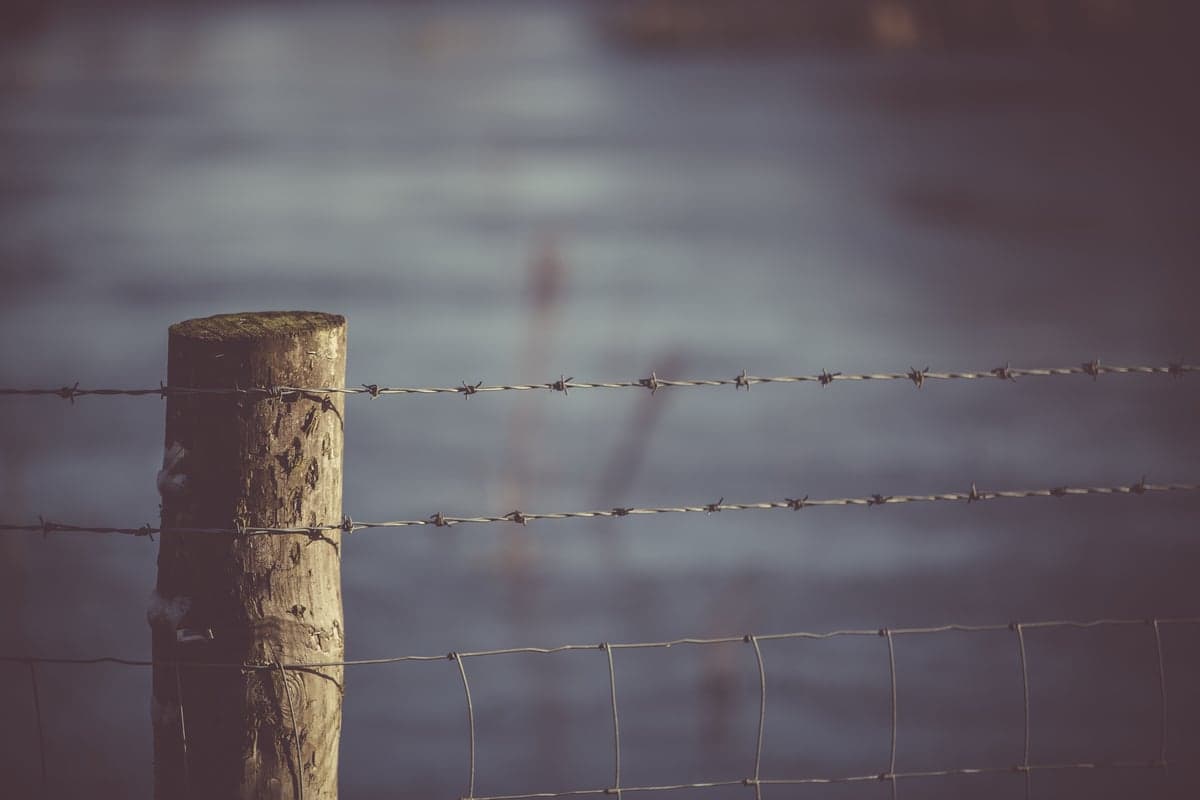
Barbed wire across or alongside a river typically signals private property in Colorado
A few tools that help:
CPW's SWA Finder is the first place to check. Colorado Parks and Wildlife manages about 350 State Wildlife Areas, and many include stream access easements. The SWA Finder map shows boundaries for each one.
The Colorado Fishing Atlas highlights public access points and regulations by water body. It's free and worth bookmarking.
For the most granular view, onX Maps shows parcel ownership along every river. You can see exactly where public land ends and private property starts. It's the single most useful tool for figuring out access on unfamiliar water.
Bridge crossings are another reliable option. Where a public road crosses a river, you can typically access the water at the bridge. How far you can go upstream or downstream depends on who owns the adjacent land.
Look for posted signs. In Colorado, "No Trespassing" signs and fencing are the most common markers. Purple paint on fence posts and trees also carries legal weight as a no-trespassing marker in Colorado, the same as a posted sign.
River-by-river: where you CAN fish
Colorado has thousands of miles of trout water, and a surprising amount of it is publicly accessible if you know where to look.
South Platte River
The South Platte is Colorado's most popular trout stream, and the access situation is a patchwork. Some of the best water is public, some of the best water is locked behind private gates.
What's public:
- Eleven Mile Canyon (USFS managed, requires a day-use pass)
- Cheesman Canyon (5-mile trail from the parking lot on County Road 126 to the river, with access upstream to the dam)
- Deckers area: multiple pullouts along County Road 126 with walk-in access
- Waterton Canyon: park at the trailhead and walk or bike in
What's private:
- The Wigwam Club, a private stretch between Cheesman Canyon and Deckers. It's clearly posted. Don't cross the signs.
- Several ranches between Deckers and Waterton Canyon own the streambed. Stick to pullouts where you see other anglers.
Check current South Platte conditions before heading out. Flows around 100-200 CFS make this river ideal for wade fishing.
Arkansas River
The Arkansas has 102 miles of Gold Medal water, the longest Gold Medal stretch in the state. Much of it flows through BLM land and CPW State Wildlife Areas.
What's public:
- Leadville to Buena Vista: mostly public, BLM and National Forest land
- Browns Canyon National Monument: fully public, great wade and float fishing
- Salida to Cotopaxi: mixed public and private, with several SWAs providing access
- The Arkansas River/Big Bend SWA near Canon City
What's private:
- Several ranch sections between Salida and the Royal Gorge
- Roger Hill, a Colorado Springs angler, fought for over a decade to establish wading rights on the Arkansas near Cotopaxi. The Colorado Supreme Court dismissed his case on standing grounds in 2023 without reaching the merits.
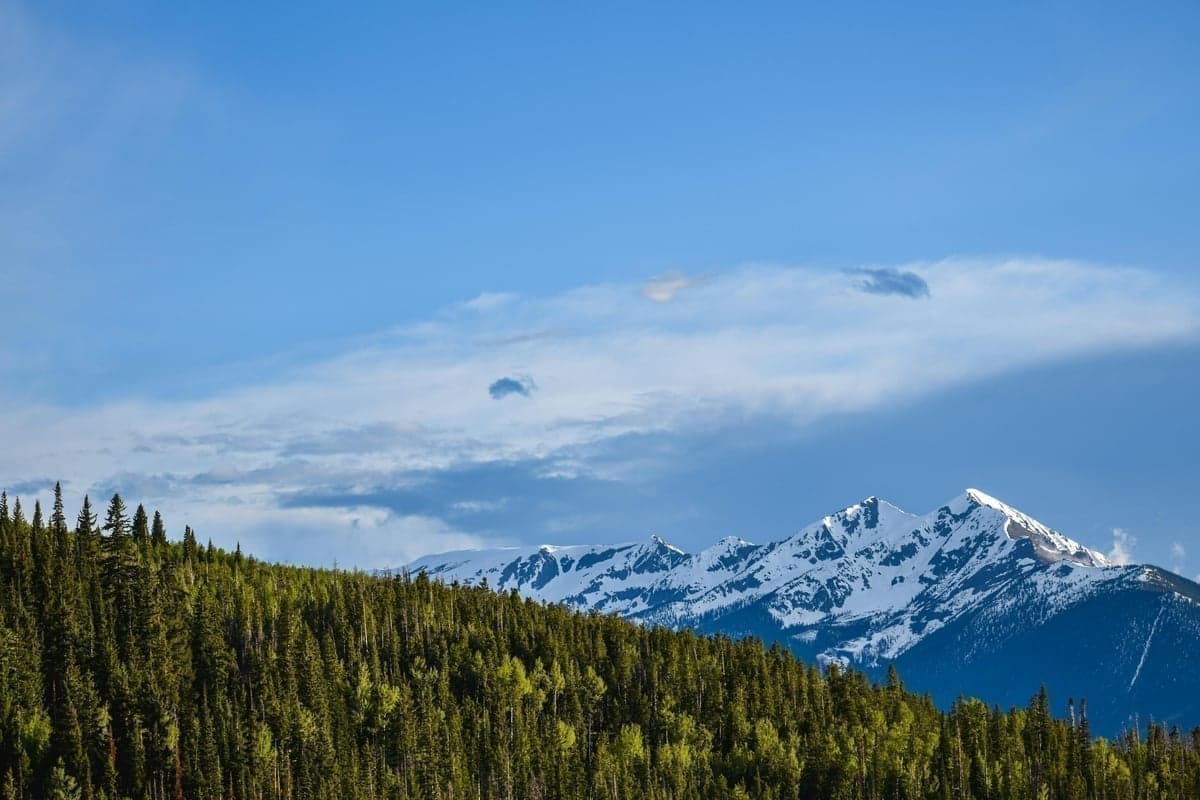
Colorado's mountain terrain means rivers often flow through a mix of public forest land and private ranches
Roaring Fork River
The Roaring Fork has some of the best public access of any major trout stream in Colorado. Almost the entire river from its headwaters to Difficult Campground (about 3 miles above Aspen) flows through White River National Forest, making it fully public.
Below Aspen, excellent public access continues through the towns of Basalt, Carbondale, and down to the confluence at Glenwood Springs. Town parks, bridge crossings, and CPW access points make this an easy river to fish legally.
Frying Pan River
The 14-mile Gold Medal tailwater below Ruedi Reservoir is a bucket-list fishery for good reason. About 8-9 miles of the river have public access. Key public spots:
- Immediately below Ruedi Dam: about 2 miles of public access
- Strawberry Rock area
- The town of Basalt where it meets the Roaring Fork
The middle sections of the Frying Pan run through private ranches. Respect the posted boundaries.
Upper Colorado River
The stretch from Kremmling to State Bridge to Dotsero includes a mix of BLM land and private ranches. The BLM sections are publicly accessible, and several developed put-in/take-out points make float fishing popular. Pumphouse Recreation Site is the most common launch point.
If you're coming from Montana or Utah
If you fish other western states, Colorado's rules will catch you off guard.
In Montana, the Stream Access Law gives the public the right to use any river or stream between the ordinary high-water marks. You can wade, float, and portage regardless of who owns the adjacent land. The streambed is treated as public. Montana anglers walk into rivers from gravel bars, wade across ranches, and nobody blinks. Try the same thing in Colorado and you're looking at a trespassing charge.
Utah is closer to Colorado's model. The Public Waters Access Act (2010) treats streambeds as private property, and wading on a private bed is trespassing. Utah does allow floating with brief incidental contact for safety. The Utah Supreme Court upheld these restrictions in 2023.
Colorado and Utah are the two most restrictive states for stream access in the Mountain West. Montana, Wyoming, and New Mexico all provide broader public wading rights.
The fight to change the law
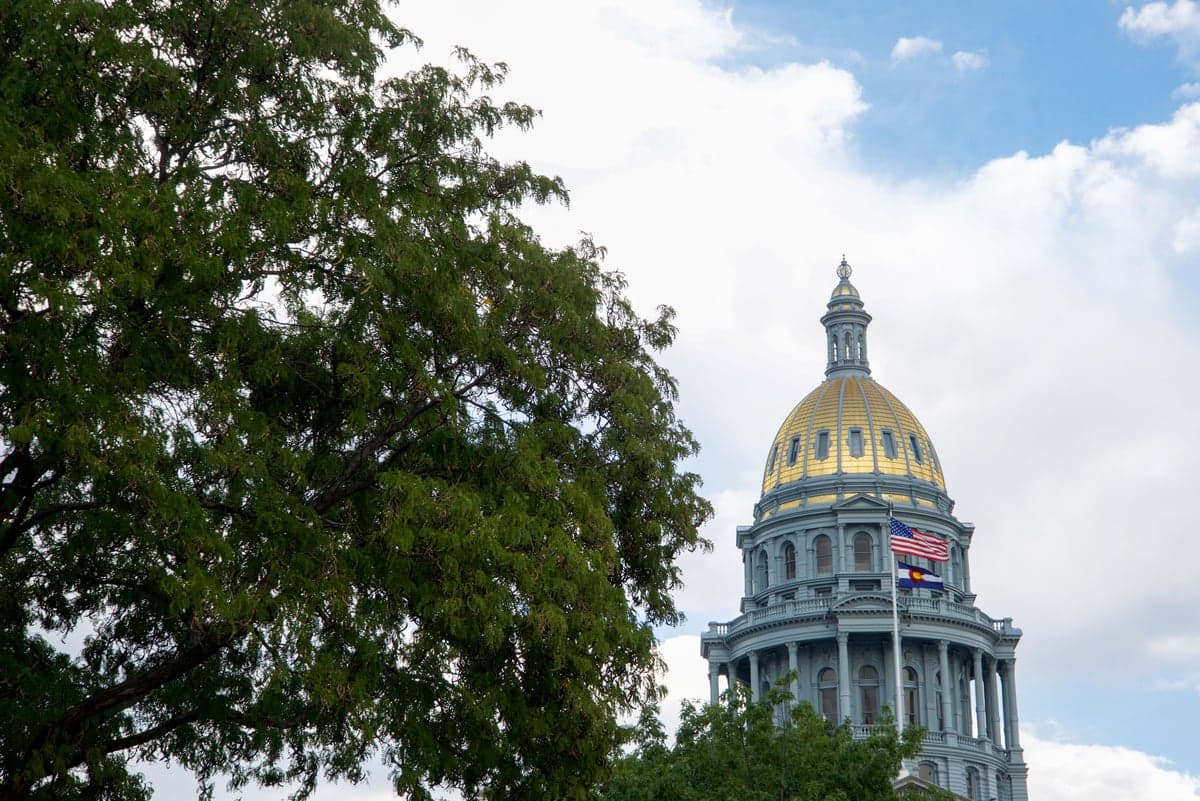
The Colorado State Capitol in Denver, where the stream access debate has stalled for decades
The Colorado Stream Access Coalition has been pushing for legislative change, arguing that Colorado's access restrictions are among the most extreme in the West. The coalition wants, at minimum, a codified right to float through private property without fear of prosecution.
Roger Hill, the angler who spent years trying to get arrested on the Arkansas River to force a court test, has become the face of the movement. Outdoor Life profiled his decade-long fight, which included a landowner shooting at one of his fishing partners.
But the 2026 Colorado legislative session ended in May without any stream access bill being introduced. The core problem: a right-to-wade bill would require taking private property rights from streambed owners, raising serious constitutional issues under Colorado's takings clause. A right-to-float bill would be narrower but still faces fierce opposition from landowner groups.
For now, the status quo holds. Paddlers float, don't touch. Waders stay on public land. And the debate drifts into the next legislative session.
We'll put our cards on the table here, because it's hard to lay all this out and stay neutral about it. Montana treats the streambed between the ordinary high-water marks as public, and Montana's ranches have survived the experience. Wyoming and New Mexico both give the public broader wading rights than Colorado does. Colorado sits with Utah at the restrictive end of the Mountain West, and the practical result is that some of the best trout water in the state is open only to people who own the bank or know somebody who does.
The right-to-float bill is the obvious floor. Under Emmert, a paddler whose foot grazes the bottom is technically committing criminal trespass, which is an absurd thing for a state to keep on its books. Writing the right to float into law takes nothing from a landowner that they could point at and put a number on. It is the narrower of the two reforms, it does not raise the takings problem that a right-to-wade bill does, and the 2026 session still ended in May without anyone introducing it.
Whether Colorado ever gets to a Montana-style right to wade is a genuinely harder question, and the takings argument deserves a real answer rather than a shrug. But the float bill is not that question, and it has been sitting there for years.
None of which changes what you should do this weekend, so: here's how to stay legal under the law as it actually stands.
How to plan a trip without getting in trouble
If you're visiting Colorado or fishing unfamiliar water, a little homework goes a long way.
Start with onX Maps and check parcel ownership before you drive anywhere. It takes five minutes and will save you from walking onto private land you didn't know was private. Then look up State Wildlife Areas on CPW's SWA Finder, because many SWAs include fishing easements on water that would otherwise be off-limits.
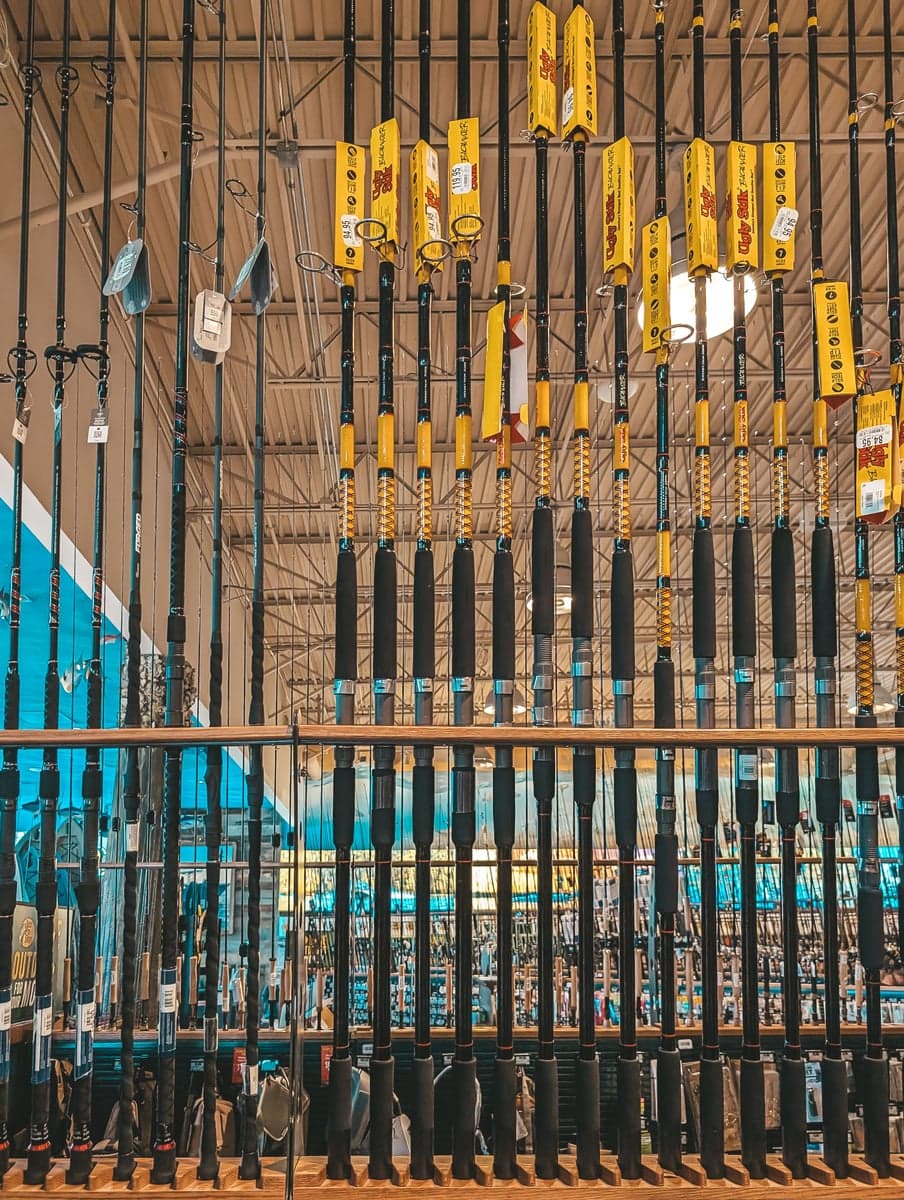
Local fly shops are the best source for up-to-date access information on nearby rivers
When in doubt, fish the towns. Aspen, Basalt, Carbondale, Salida, Buena Vista, and Deckers all have public access points within their limits. Rivers flowing through National Forest and BLM land are fully accessible, so the Roaring Fork, upper Arkansas, and upper Colorado are safe bets.
And talk to the local fly shops. "Where can I legally fish around here?" is the first question they hear from out-of-state anglers, and they'll point you to the best public water nearby.
Before any trip, check Colorado river conditions on RiverReports so you know what's running and at what CFS. You can save your favorite rivers and get alerts when conditions change, which is useful when you're juggling access restrictions on top of flow timing.
Colorado's access laws are frustrating, no question. But there are hundreds of miles of public trout water once you know where to find it. Do your homework before the trip, not while you're standing in someone's streambed arguing with a rancher.
Get River Intel Weekly
Flow updates and fishing intel delivered every Thursday.
River Intel Weekly
Weekly flow updates and fishing intel.
© 2026 RiverReports, Inc.