Montana Fly Fishing Rivers: 10 Best, Ranked by Difficulty
From forgiving freestones to PhD-level spring creeks
Greg Lamp
January 8, 2026
11 min read
Montana claims 170,000 miles of rivers and streams. The state's reputation for excellent trout fishing draws anglers from everywhere, but not all Montana rivers fish the same. Some will hand you fish on your first cast. Others will humble you for days.
I've fished a lot of Montana water and talked to guides who've spent decades on these rivers. My first trip to the Missouri near Craig taught me this lesson the hard way. I spent three hours changing flies while fish rose all around me, refusing everything in my box. Turned out I was fishing size 16 BWOs when they wanted 20s. Meanwhile, a week earlier on the Bighorn, I'd caught 30 fish in a day without much strategy at all.
The difference between a great trip and a frustrating one often comes down to matching your skill level to the river. Here's an honest assessment of Montana's major fly fishing rivers, ranked from most forgiving to most demanding.
Beginner-Friendly Rivers
These rivers produce fish for anglers still learning their craft. Generous trout populations, forgiving water, and reasonable wading conditions make them ideal for building confidence.
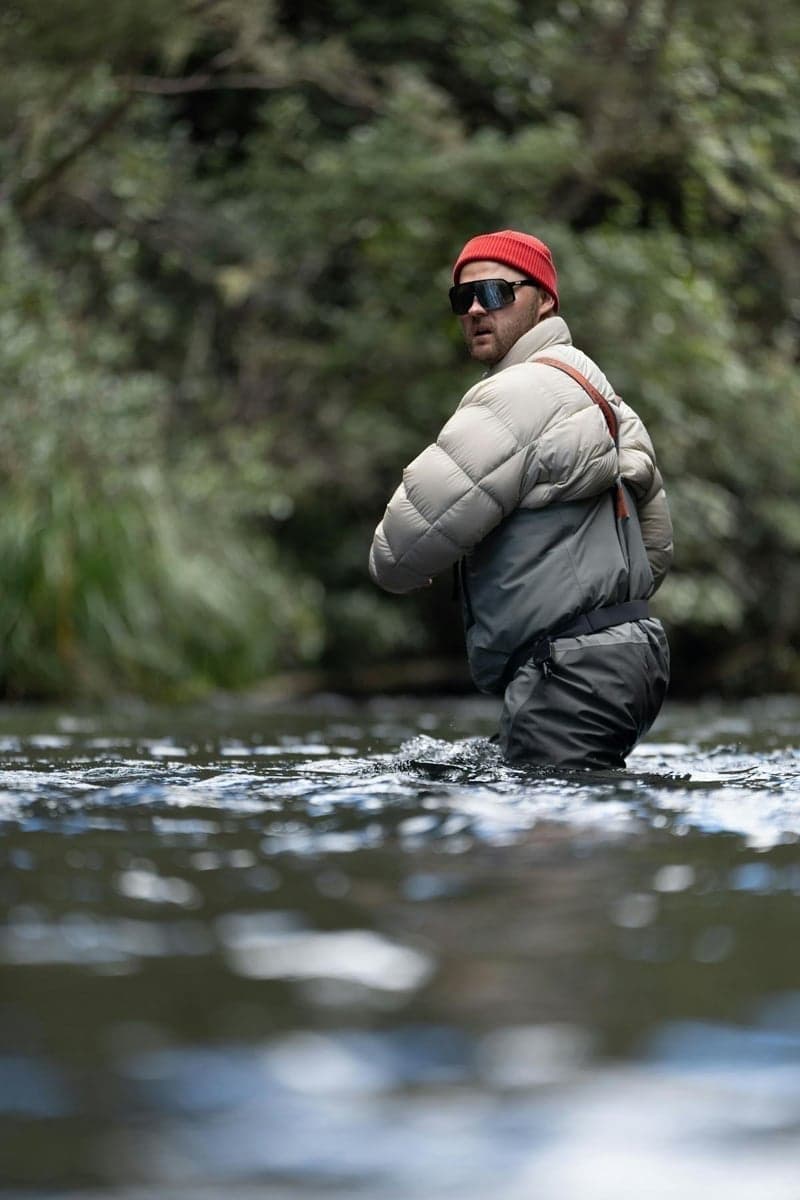
Wading Montana's beginner-friendly rivers—the gear is simple, the fish are willing
Bighorn River, Fort Smith
The Bighorn is Montana's closest thing to a sure bet. Montana FWP estimates put trout density at up to 6,000 fish per mile in the upper 13 miles below Afterbay Dam, averaging 14 inches with plenty of 20-inch fish mixed in.
The river bottom is fine gravel, making wading straightforward. The first three miles below the dam are a wade-angler's paradise. You can access most of the water on foot without technical wading skills.
Guides regularly put beginners into fish here. The trout aren't stupid, but they're not spring-creek selective either. Standard nymph rigs produce consistently, and dry fly opportunities happen during predictable hatches.
Why it's beginner-friendly:
- Easy wading on gravel substrate
- High trout density means more chances to connect
- Consistent year-round flows from the dam
- August offers the best conditions with prolific hatches
Best approach: Drift boat with a guide for your first trip. You'll cover more water and learn the river's rhythm. Once you understand the holding water, wade fishing becomes productive.
Bitterroot River, Missoula Area
The Bitterroot might be Montana's most underrated beginner river. At an average depth of three feet across a river sometimes 125 feet wide, it wades like a small stream but fishes like a big one.
This freestone river holds cutthroat, rainbow, and brown trout averaging 700 fish per mile. The fish aren't massive (expect 10-15 inches with the occasional 20+ inch brown), but they eat confidently.
Montana Fish, Wildlife and Parks maintains 13 access sites on the Bitterroot, and Montana's stream access laws let you fish up or down from any public access as long as you stay below the high water mark.
Why it's beginner-friendly:
- Shallow average depth makes wading safe
- Easy to cross and access both banks
- Long dry fly season (June through September)
- Less crowded than famous rivers
Best approach: Wade fishing works great here. Focus on the upper sections near Connor for smaller water and willing fish. Hopper-dropper rigs dominate summer fishing.
Rock Creek, Near Missoula
Rock Creek earns its Blue Ribbon status with 2,000 trout per mile along its 50+ miles from the Pintler Mountains to the Clark Fork River. The stream holds cutthroat, rainbow, brown, and the occasional bull trout.
At 800 CFS, the whole river is wadeable. Even at 1,200 CFS, you'll find plenty of room to cast and move. The road follows the creek through Lolo National Forest for 20 miles, providing access from almost any turnout.
This is classic small-stream fishing scaled up. You'll learn to read pocket water, work riffles, and present flies in moving water without fighting dangerous currents.
Why it's beginner-friendly:
- Consistently wadeable flows after spring runoff
- Road access throughout the canyon
- Fish respond to attractor patterns
- Great place to learn freestone techniques
Best approach: Walk and wade with a 9-foot 5-weight. Attractor dries like Royal Wulffs and Stimulators work well. Don't overlook nymphing pocket water.
Intermediate Rivers
These rivers reward anglers who've developed solid casting, reading water, and fly selection skills. Expect larger fish, trickier conditions, and more variables to manage.
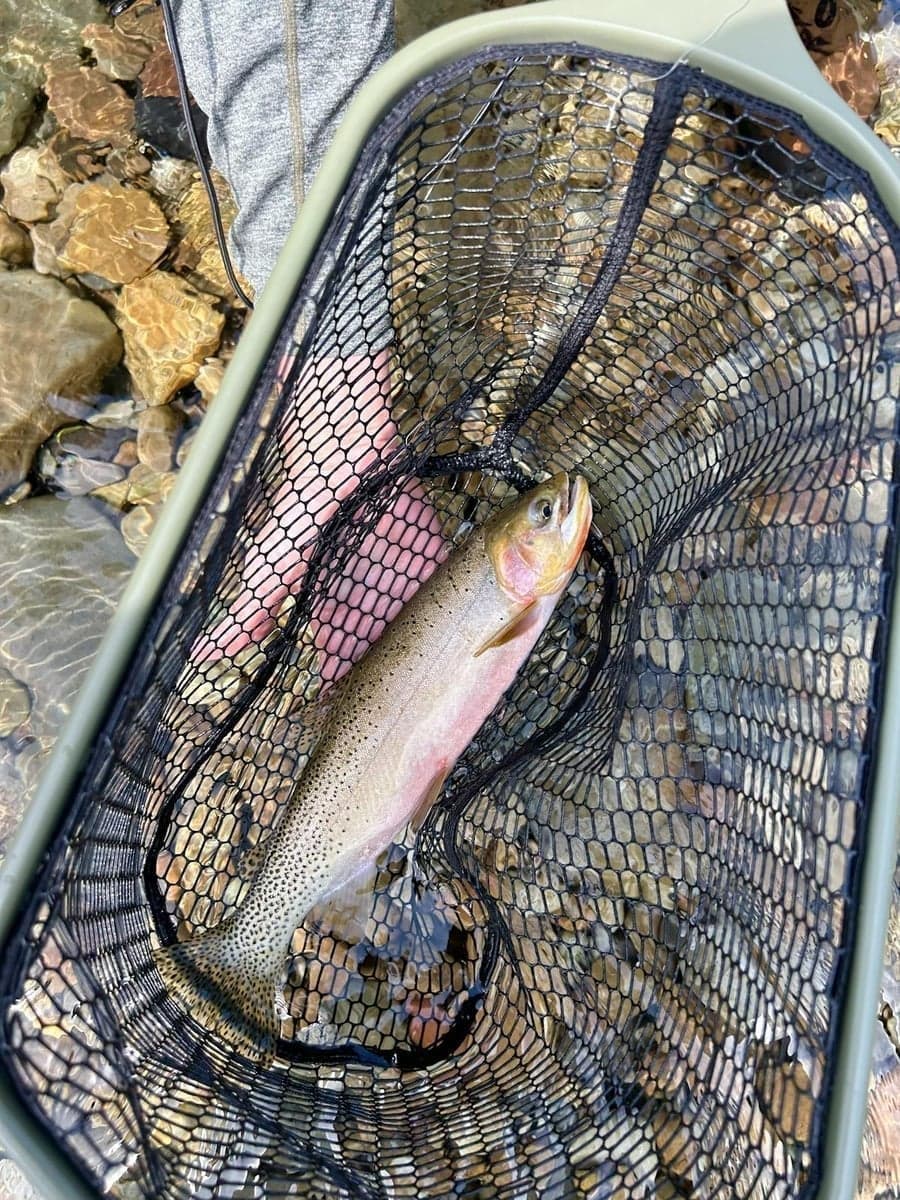
A Montana cutthroat ready for release—intermediate rivers produce quality fish
Yellowstone River, Paradise Valley
The Yellowstone is Montana's quintessential freestone. It runs 200+ miles of high-quality trout water with Yellowstone cutthroat, browns, and rainbows. Paradise Valley floats from Gardiner through Livingston are the most popular sections.
This is big water, 75 to 300 feet wide depending on the section. Wade fishing is limited; most anglers float. The fish average 8-18 inches with realistic shots at 20-inch browns.
Montana Angler notes that the upper river from Gardiner to Yankee Jim Canyon requires advanced skills. Short, serious rapids and steep scree-lined banks demand experienced oarsmen and fit anglers. Paradise Valley floats are more forgiving.
Why it's intermediate:
- Big water requires accurate casting at distance
- Strong currents and limited wading
- Fish are spread out, requiring water-reading skills
- Upper sections have technical whitewater
Best approach: Float trips with a guide are standard. Late summer hopper fishing (August-September) is legendary. Terrestrials and attractor dries during the day, streamers in low light.
Gallatin River, Bozeman
The Gallatin is primarily walk-and-wade water with pocket water, deep pools, and fast runs. Highway 191 follows the river from Yellowstone Park to Bozeman, providing pullouts on nearly every corner.
Montana FWP estimates around 3,000 catchable trout per mile. Fish average 6-12 inches (smaller than the Madison or Yellowstone), but 14-16 inch fish are common, and larger browns hunt the deeper pools.
Despite easy access, the Gallatin is not an easy river to wade. Swift currents and rocky substrate require sturdy wading boots and good balance. The pocket water rewards skilled presentations.
Why it's intermediate:
- Challenging wading despite shallow appearance
- Pocket water requires quick, accurate casts
- Smaller fish mean more precise presentations
- Swift currents complicate drifts
Best approach: Tight-line nymphing excels in the pocket water. The Mad Mile section sees less fishing pressure despite its name. Euro nymphing techniques work well for stacking up numbers.
Madison River, Ennis
The Madison is world-famous for good reason. The "50-mile riffle" from Quake Lake to Ennis Lake offers unparalleled wade fishing access with healthy populations of brown and rainbow trout.
But this river has earned its reputation, and so have its fish. Pressure is high, especially near access points. Montana Angler notes that the river averages 18 inches deep and looks like one giant mountain stream, but walking across is impossible in most sections due to swift current.
Fishing pressure has increased substantially over the past decade. The lower Madison gets crowded with float traffic and recreational tubers from late June through summer.
Why it's intermediate:
- Strong currents make wading difficult
- Heavily pressured fish are more selective
- Crowds during peak season
- Below Quake Lake is very difficult to wade
Best approach: Early morning or late evening avoids the crowds. Wade-only sections above Ennis offer better solitude. Start early, hike from access points, and fish the water others skip.
Advanced Rivers
These waters challenge experienced anglers. Expect technical presentations, selective fish, and conditions that punish mistakes.
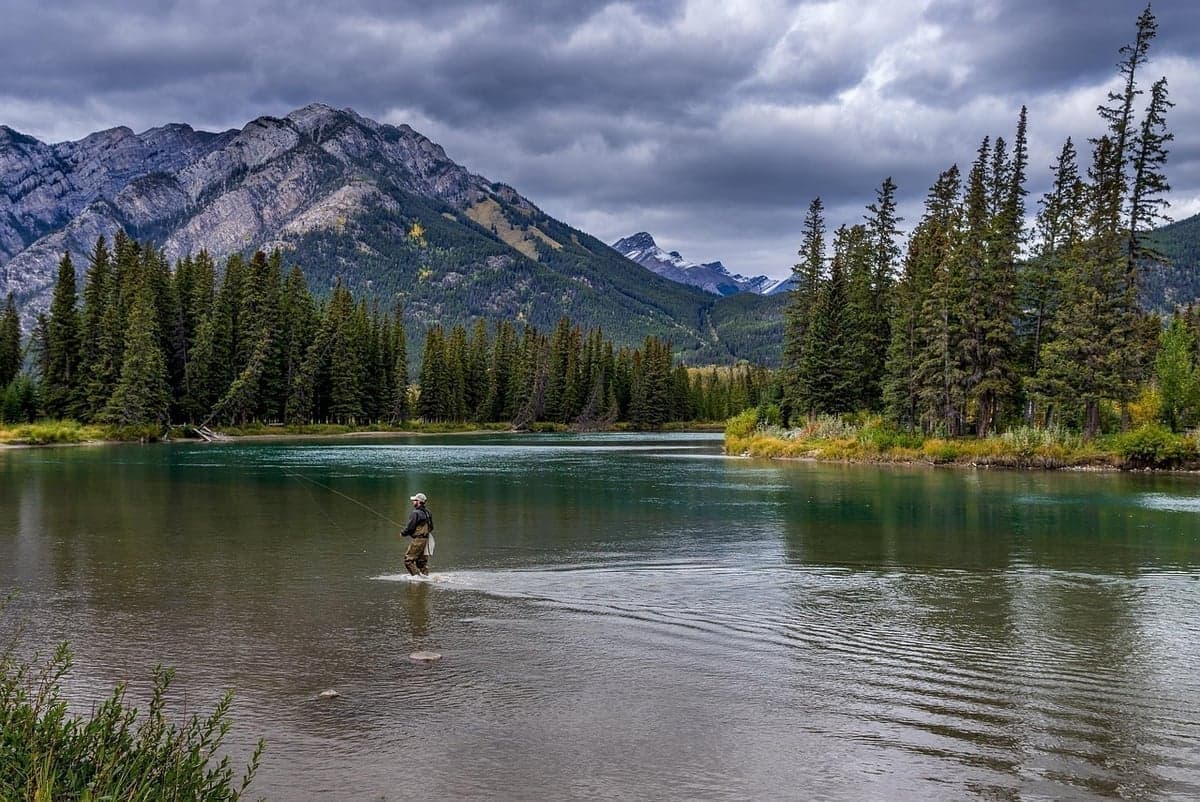
Advanced Montana rivers demand precision—but reward it with stunning scenery and memorable fish
Missouri River, Craig
The Missouri near Craig might be the greatest trout fishery in the lower 48. Adult trout populations run 4,000-8,000 fish per mile, averaging 16-18 inches. You'll catch more big fish here than almost anywhere.
But the Mo demands precision. Headhunters Fly Shop describes it as one of the world's most prolific bug factories, producing staggering volumes of aquatic insects. The fish key on specific life stages and sizes. When BWOs are hatching, a size 18 might work while a size 16 gets refused.
The flat, clear water means fish see everything. Perfect presentations with the right bug are mandatory. Lengthen your leaders, size down your tippet, and expect to change flies frequently.
Why it's advanced:
- Highly selective fish during hatches
- Clear, flat water reveals every mistake
- Technical midge and BWO fishing demands precision
- Long leaders and light tippet required
Best approach: Spend time observing before casting. Match the hatch exactly: size, color, and stage. Spring and fall BWO and midge hatches offer the best dry fly opportunities. Guides earn their money here by knowing exactly what's working.
Upper Yellowstone, Gardiner to Yankee Jim Canyon
The upper Yellowstone above Paradise Valley is a different beast. DIY Fly Fishing warns that whitewater, steep banks, and difficult wading make this advanced water.
Quick, accurate casting along bankside seams in fast-paced, wild water defines this section. Steep, scree-lined banks present challenging approaches. This is for fit anglers who can handle rough terrain and skilled oarsmen navigating Class II-III rapids.
The payoff? Native Yellowstone cutthroat and wild browns in stunning wilderness setting with far fewer anglers than downstream.
Why it's advanced:
- Technical whitewater requires skilled rowing
- Limited and difficult wade access
- Steep, unstable banks
- Remote setting with fewer bailout options
Best approach: Float with an experienced guide who knows the water. Raft fishing through rapids requires focus on both fishing and safety. This isn't learning water.
Expert-Only: Paradise Valley Spring Creeks
Montana's spring creeks represent the pinnacle of technical fly fishing. Armstrong, DePuy, and Nelson's Spring Creeks in Paradise Valley draw anglers from around the world who want to test themselves against the most selective trout anywhere.
DePuy Spring Creek describes their fish as "notoriously fickle." Spending a day here is like playing chess. Crystal-clear water, huge insect hatches, and fish that have seen every fly pattern make this the ultimate test.
These are small waters (10 to 30 yards wide) with gin-clear flows and trout densities that seem impossible. The fish have PhD's in bug eating. Your fly selection matters. Your presentation matters more.
Why it's expert-only:
- Micro-clear water shows every flaw
- Fish are extremely selective to size, stage, and presentation
- Light tippet (6X-7X) is standard
- Limited rod access requires advance reservations
Best approach: 3-weight and 4-weight rods allow delicate presentations. Long leaders, perfect knots, and patience are mandatory. Montana Angler guides note that even beginners can catch fish with the right guidance, but expect a humbling learning curve.
How to Choose Your River
First trip to Montana? Start with the Bighorn or Bitterroot. Build confidence catching fish before tackling technical water.
Solid intermediate skills? The Madison and Gallatin will challenge you without crushing you. Float the Yellowstone through Paradise Valley.
Ready to level up? The Missouri will show you what technical fishing really means. Master the midge and BWO hatches, and you'll be a better angler anywhere.
Seeking the ultimate challenge? Book a day on DePuy or Armstrong Spring Creek. You'll learn more about fly presentation in one day than in a month of regular fishing.
Checking Conditions
Montana rivers vary dramatically with snowmelt, irrigation releases, and weather. Spring runoff typically peaks in June and subsides by early July. Late summer and fall offer the most consistent wade fishing.
Track Montana river flows before any trip. High water makes some rivers unfishable and dangerous. Low water in late summer can stress fish and limit access.
The difference between a 6/10 day and a 10/10 day often comes down to being on the right water at the right time. Save your favorite Montana rivers and get flow alerts when conditions line up.
Montana earned its fly fishing reputation, but not every river suits every angler. Match your skills to the water, and you'll catch fish and have a great time. Overestimate your abilities, and the state's rivers will humble you fast.
Start conservative, learn the water, and work your way up. That's how every good Montana angler got where they are.
Get River Intel Weekly
Flow updates and fishing intel delivered every Thursday.
River Intel Weekly
Weekly flow updates and fishing intel.
© 2026 RiverReports, Inc.