
Provo River Fly Fishing: 3,500 Trout/Mile & Live Flows
World-class tailwaters, alpine lakes, hot spring creeks, and urban fishing - all within 30 minutes of town
Riley Thompson
December 10, 2025
29 min read
TLDR
Forget Montana crowds. Provo, Utah has excellent fly fishing that most anglers don't know about. The Middle Provo River holds 3,500 wild brown trout per mile - fish spots like "Lunker Lane" and "Rickety Bridge" near Jordanelle Dam. Strawberry Reservoir produces 5-pound cutthroats on Woolly Buggers after ice-off. The High Uintas have 500+ alpine lakes with aggressive brook trout and cutthroat. Diamond Fork Creek has wild browns near the Fifth Water Hot Springs. And the Lower Provo runs right through town with 4,500 fish per mile - hit the Trestle Bridge Hole at the canyon mouth during summer caddis hatches. All within 45 minutes of Salt Lake City International Airport. Track Utah flows here before you go.
Why Provo is the Hidden Gem
Everyone flies to Bozeman. They crowd the Madison, fight for spots on the Yellowstone, and pay Montana prices.
Meanwhile, Provo sits 45 minutes from a major international airport with some of the best trout fishing in the West - and half the anglers have never heard of it. Check Utah river flows before any trip to time your visit around optimal conditions.
I first fished the Middle Provo on a February afternoon when most sane people were inside. The parking lot had three cars. I walked 200 yards from the truck and found rising fish in 38-degree water - browns sipping size 24 midges in the noon sun. No other anglers in sight. That doesn't happen on the Madison.
What struck me wasn't just the fishing - it was the diversity. In three days, I fished a top-tier tailwater, soaked in natural hot springs after catching wild browns on a small freestone creek, and watched cutthroat crush dry flies in an alpine lake at 10,000 feet. All within an hour of my hotel in Heber City.
Here's what Provo offers:
- The Middle Provo River - A tailwater with 3,500 wild brown trout per mile, some exceeding 25 inches
- The Lower Provo River - 4,500 fish per mile, much of it running through town with easy access
- Strawberry Reservoir - Utah's premier stillwater, producing 5-pound cutthroats regularly
- The High Uintas - Over 500 alpine lakes within 90 minutes, holding brook trout, cutthroat, and even grayling
- Diamond Fork Creek - Wild browns near the famous Fifth Water Hot Springs
- The Weber River - Bigger fish on average than the Provo, with less pressure
All in a state where a non-resident annual fishing license costs $120 (as of July 2025), still cheaper than Montana's $100+ short-term licenses.
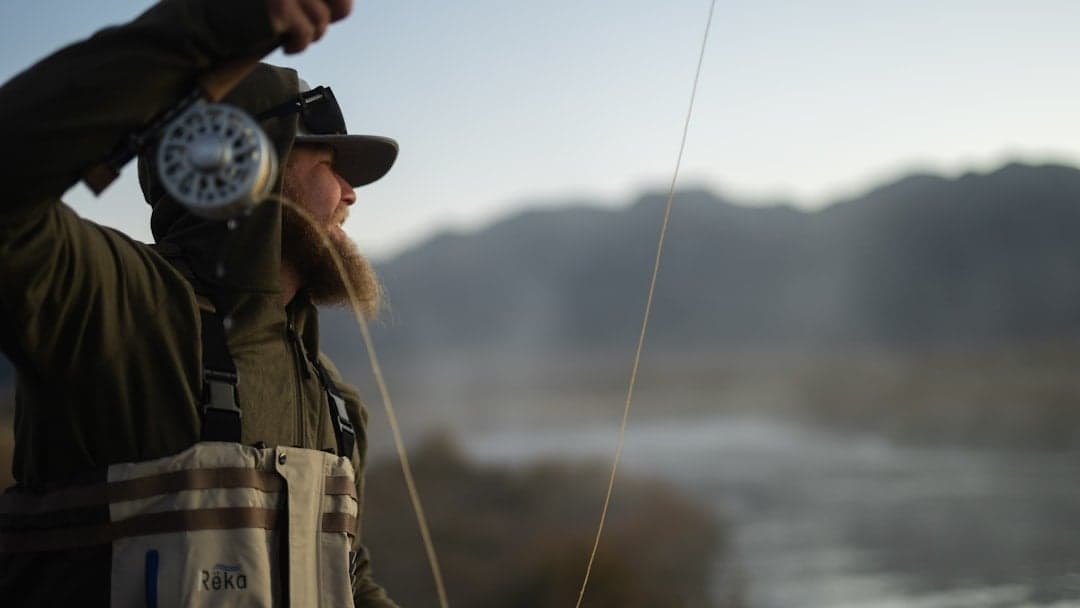
Morning on the Middle Provo River - 3,500 fish per mile and far fewer anglers than Montana
The Rivers: Your Complete Guide
Middle Provo River - The Crown Jewel
The Middle Provo is why serious anglers come to Utah. This 12-mile tailwater flows from Jordanelle Dam through the Heber Valley - through lush meadows, cottonwood groves, and farm pasture - until it drains into Deer Creek Reservoir.
The Numbers:
- 3,500 wild trout per mile (some estimates push closer to 4,000)
- Average fish: 12-14 inches
- Trophy fish: 18-25+ inches (primarily wild brown trout)
- Year-round fishing thanks to dam-controlled flows
- Water temperature: 35-55°F year-round (stays above freezing even in January)
Why It's Special:
The Jordanelle Dam releases cold water from the bottom of the reservoir, keeping the Middle Provo at consistent temperatures year-round. Winter water temps run 36-39°F - cold enough to slow fish down, but warm enough to keep them feeding. Summer temps stay cool when other rivers are blowing out. The fish here are wild - no hatchery stockings - and they grow fat on sow bugs, midges, BWOs, PMDs, and caddis.
The Provo River Restoration Project (1999-2008) transformed this from a channelized ditch back into a meandering, braided river with connected secondary channels. The restoration worked. Fish counts went through the roof.
Named Spots Worth Finding:
-
"Lunker Lane" - Near Jordanelle Dam. This stretch is legendary among local guides. Accommodates nearly 3,000 fish per river mile with browns averaging 12 inches. Accessible from the Rock Cliff area.
-
"Rickety Bridge" - Another named spot near the dam with high fish density. Ask at Trout Bum 2 or Fish Heads for current directions - locals know exactly where these are.
-
The braided channels below River Road - Lower pressure water with larger trout. The restoration created side channels that hold surprisingly big fish. Worth exploring beyond the obvious main channel.
Access Points (All Seven Parking Areas Have Bathrooms):
-
Rock Cliff Recreation Area / Jordanelle Dam Outlet (GPS: 40.6027° N, 111.4169° W)
- Northernmost access, right below the dam
- Walk-in access for 3/4 mile through DWR/private landowner agreement
- This is where "Lunker Lane" and "Rickety Bridge" are located
- Wider river here than downstream
- Directions: From US-40, take State Route 32 north and east to Rock Cliff
-
River Road Access (Upper) (GPS: 40.5383° N, 111.4456° W)
- From US-40, turn right onto W 100 South/River Road
- 0.3 miles down, turn right and follow gravel road to parking
- Trails to the west lead to the river
- Good mix of riffles and pools
-
Midway Lane / Legacy Bridge (GPS: 40.5167° N, 111.4647° W)
- Public access at SR-113 bridge
- Park on the south side of the bridge
- This bridge is the regulation boundary - different rules above and below
- Fish upstream toward the dam (flies/lures only) or downstream toward Charleston (bait allowed)
-
River Road Access (Middle) - Multiple pullouts along River Road between Midway and Charleston
- Look for established paths down to water
- Less pressure than the ends of the river
- Some of the best water for sight-fishing
-
Charleston Bridge (GPS: 40.4803° N, 111.4656° W)
- Access in Charleston town
- Good water both up and downstream
- Bait fishing allowed in this section
-
Deer Creek Inlet - Where the Middle Provo enters Deer Creek Reservoir
- Different regulations (bait allowed, 4-fish limit any size)
- Good for beginners
Important: All 12.4 miles are now public. The DWR secured public access along the entire river through land purchases and easements. No more trespassing worries between Jordanelle Dam and Deer Creek Reservoir. This wasn't always the case - old fishing reports may mention access problems that no longer exist.
Regulations (Critical - Know These):
From Legacy Bridge upstream to Jordanelle Dam:
- Artificial flies and lures only
- Limit: 2 trout under 15 inches
- All trout 15 inches and over must be immediately released
From Charleston to Legacy Bridge:
- Bait allowed
- Limit: 4 trout of any size
Best Flows: 150-300 CFS. The Middle Provo fishes well at most flows since it's dam-controlled, but 200 CFS is the sweet spot. Track Provo River flows here.
Seasonal Strategy:
-
Winter (Dec-Feb): The Middle Provo is famous for winter midge hatches. The magic window is 10am-3pm - midges start hatching around 11am when temps warm, and fish rise through early afternoon. Water temps drop to 36-39°F, so fish retreat to long, slow pools. Size 22-26 midges (grey, black, brown shuckers). Dress in layers - it's cold, but the fishing can be outstanding. Some of the best dry fly fishing of the entire year happens late January through April.
-
Spring (Mar-May): Buffalo midges hit full swing by mid-March - switch to bigger sizes (#18-20). BWOs start appearing in late March and peak in April. Target the 10am-2pm window for hatches. This is prime time.
-
Summer (Jun-Aug): PMDs and caddis dominate. Fish early morning (6-9am) and evening (6-9pm). Midday can be slow as fish retreat to deeper, cooler water. Consider wet wading - water temps are comfortable. Terrestrials (hoppers, beetles) work in the afternoon.
-
Fall (Sep-Nov): BWOs return (smaller than spring, #18-22). Browns get aggressive pre-spawn - but watch for spawning beds (redds) and don't wade on them. These shallow gravel nests are critical for reproduction. October caddis (#8-12, orange/rust) provides excellent late-season dry fly action.
Wading Safety:
The Middle Provo is slippery. The rocks are covered with algae, and the restored braided channels can be deceptively deep. Felt-soled boots or rubber boots with studs are essential. Wade carefully - this river has ended more than a few trips early with wet waders.
The section below Jordanelle Dam is particularly tricky. It's wider and deeper than downstream stretches, with less obvious footing. Take it slow, especially if you're new to the river.
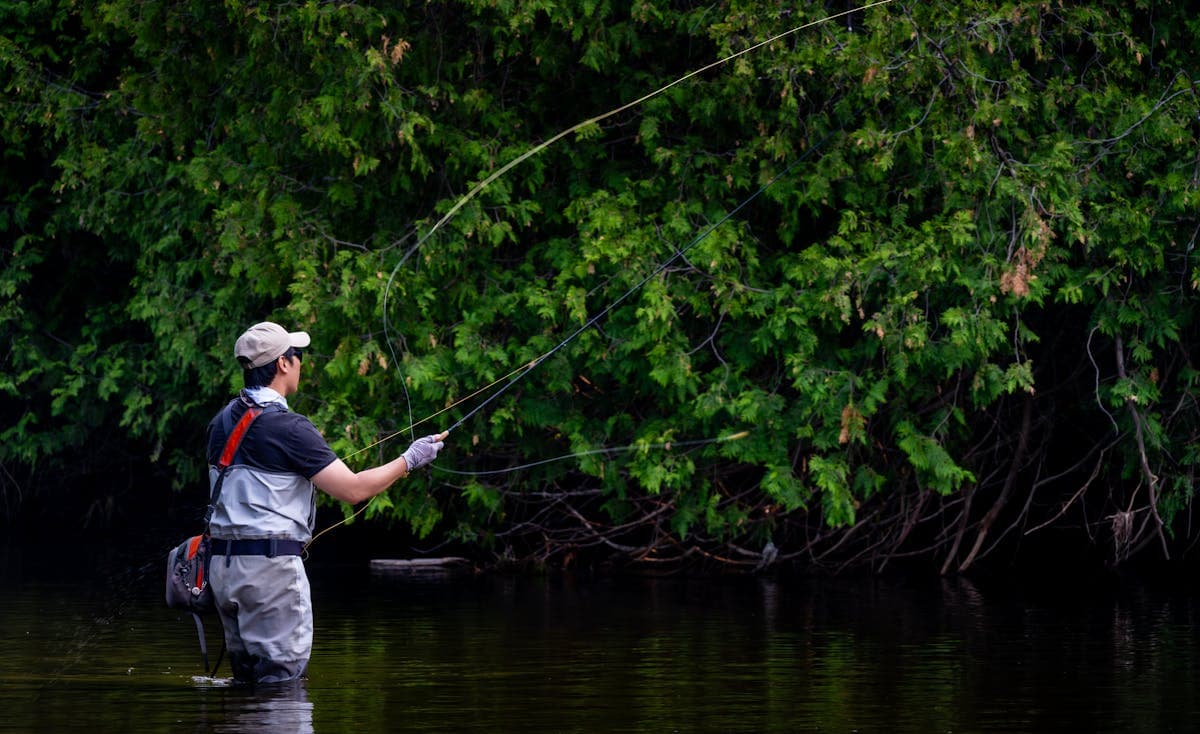
Working the seams on a mountain river - classic tailwater fly fishing technique
Lower Provo River - In-Town Fishing That Actually Produces
Most anglers skip the Lower Provo because it runs through Provo Canyon and right through town, behind shopping malls and condos. That's a mistake.
The Numbers:
- 4,500 fish per mile (higher density than the Middle Provo)
- Rainbow trout: 14-18 inches typical, with fish to 20+ inches possible (some of the largest in Utah)
- Brown trout: 14-18 inches common
- Mountain whitefish also present
The Sections:
Deer Creek Dam to Olmstead Diversion (Provo Canyon): This is the blue-ribbon stretch. The first 9 miles below Deer Creek Dam are artificial flies and lures only, limit 2 trout under 15 inches. It's one of Utah's original catch-and-release waters and holds serious fish.
US-189 follows the river through the canyon, providing easy access at multiple pullouts. The canyon is scenic, the water is crystal clear, and the fish are educated - bring your A-game. High-quality flies only - cheap patterns get refused here.
Named Spots on the Lower Provo:
-
Bridal Veil Falls Area - Great pocket water from Bridal Veil Falls down to the diversion dam at the bottom of the canyon. The falls are a landmark - you can't miss them from US-189.
-
Trestle Bridge Hole - A famous local spot right at the mouth of the canyon. There's a hole by a little trestle bridge where browns love to hang out. Summer evening caddis hatches here are excellent. The productive water is the first 30-40 yards upstream from the bridge. Perfect for a quick 45-minute session when you don't have time for a full day.
Olmstead Diversion to Utah Lake: Below Olmstead Diversion, the river flows through town. Regulations open up (bait allowed, standard limits). The fishing can be surprisingly good - all those fish pushed downstream from the blue-ribbon section above have to go somewhere.
Access via the Provo River Trail (starts at 5600 North off University Avenue in Orem), bridge crossings throughout town, and Riverside Avenue in Provo. There's also a 15-mile trail system following the river from Vivian Park through the canyon, past Bridal Veil Falls, all the way to Utah Lake.
This urban stretch has been channelized, so look for fish holding along rip-rap, diversion dams, and river bends. It's not pretty, but it produces. The DWR also plants hatchery rainbows here to supplement the wild population.
Pro Tip: The Lower Provo gets hit hard by skilled anglers. Soft upstream casts and good line mends matter here. Sloppy presentations spook these fish instantly.
Upper Provo River - Freestone Solitude
The Upper Provo above Jordanelle Reservoir is a completely different fishery. This is freestone water - flows vary with runoff, and the character changes throughout the year. It's also where you go when you want to get away from the crowds on the Middle Provo.
The Upper Provo is smaller, wilder water. Think pocket water, plunge pools, and tight casting under willows. The trout aren't as big (10-14 inches is typical), but they're aggressive and native cutthroats are gorgeous. On a September afternoon, with aspen turning gold and no other anglers in sight, it's hard to beat.
Access:
- Mirror Lake Highway (UT-150) from Kamas provides easy access within National Forest boundaries. Multiple pullouts along the highway let you walk to the river in minutes.
- Highway 35 east from Francis accesses the Woodland area. Several pullouts offer river access - look for established paths.
- Rock Cliff Recreation Area above Jordanelle Reservoir - where the freestone transitions to tailwater.
Important: Outside National Forest boundaries, much of the Upper Provo runs through private property. Stick to the highway pullouts within forest land to stay legal.
Fish Species:
- Upper sections: Primarily brook trout and cutthroat trout - feisty and colorful
- Lower sections (near Jordanelle): Brown trout, some rainbows, cutthroats
Tactics: This is classic small-stream fishing. Use a short rod (7.5-8 ft, 3-4 weight) and keep your casts tight. The water is clear, so approach quietly. Attractor dries like Royal Wulffs and Stimulators work great - these fish aren't as educated as their tailwater cousins. A hopper-dropper rig in late summer is deadly.
Regulations: From Jordanelle Reservoir upstream to the confluence of north and south forks:
- Artificial flies and lures only
- Limit: 2 brown trout under 15 inches
- All cutthroat and rainbow trout must be immediately released
Best Time: Late summer and fall after runoff subsides. The snow-melt from the Uintas can blow this river out from May through early July. September and October are prime - lower flows, fewer people, great fall colors.
Weber River - Bigger Fish, Less Pressure
The Weber River is about 30 minutes north of the Provo system, and it's worth the drive if you're chasing trophy browns.
I fished the Weber on a May afternoon during the Mother's Day caddis hatch. The fish weren't as numerous as the Provo - I moved 200 yards between hookups instead of 50 - but every fish was bigger. The browns came out of undercut banks and foam-filled seams like linebackers. My first was 18 inches. My third was over 20. The Provo has numbers; the Weber has shoulders.
Why Fish the Weber:
- Lower fish density than the Provo, but larger average size
- Some of the biggest brown trout in Utah (20+ inch fish are realistic)
- Less fishing pressure - you might not see another angler
- The tailwater below Rockport Reservoir is prime brown trout water
- Recently declared navigable - as long as you stay in the streambed, you're legal
Access: The middle Weber from Rockport Reservoir to Echo Reservoir has walk-in access through Utah's WIA (Walk-In Access) program. Look for access ladders along the fence lines - they're marked. Get a free WIA code from the Utah DNR website before you go.
Getting to the Weber: From Heber City, take US-40 west toward Park City, then take I-80 east toward Wanship (about 30 minutes total). Exit at Wanship and follow signs to Rockport State Park for the tailwater access.
Key Hatches:
- Mother's Day Caddis (May) - The famous hatch that kicks off the season. Small black-bodied caddis blanket the water. This is worth planning a trip around.
- Golden Stoneflies (June-July) - Big bugs, big fish. Stimulators and golden stone patterns.
- PMDs (June-August) - Consistent afternoon hatches.
- Sow bugs and midges year-round - The tailwater's bread and butter.
Named Spots:
- "Creamery Lane" - One of the most popular WIA access points. Excellent brown trout water with classic tailwater characteristics. Look for the access ladder and park responsibly.
- "Spring Chicken" - Foam-filled riffles, deep pools, and undercut banks. Browns here can be surprisingly aggressive on streamers.
Target Flows: 200-400 CFS for the tailwater section below Rockport. Track Weber flows before heading out - high releases can make wading difficult.
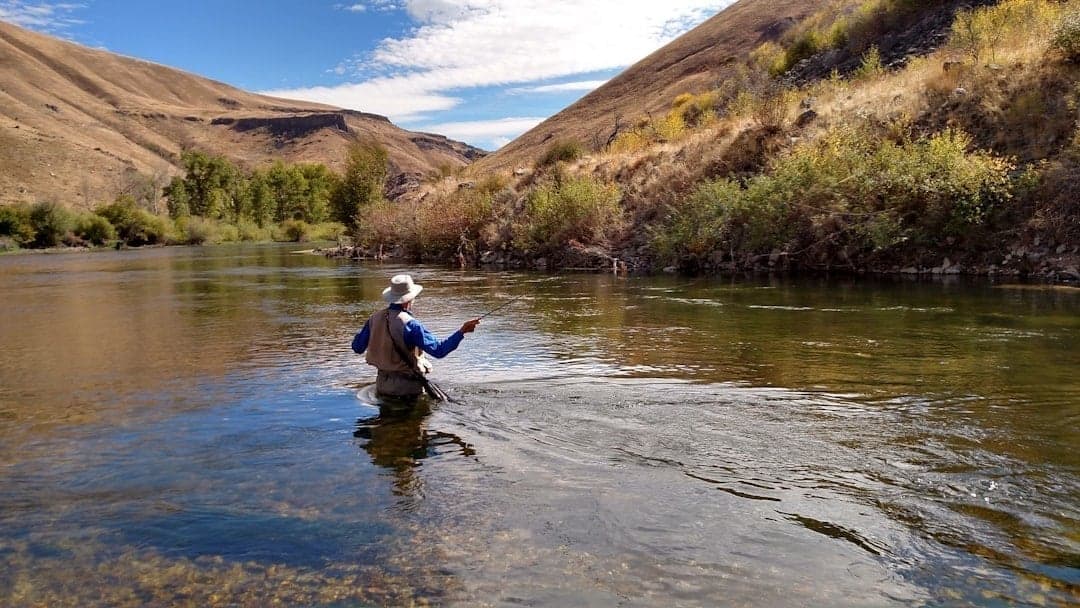
The Weber River offers bigger fish on average and far less pressure than the Provo
The Lakes: Stillwater Options
Strawberry Reservoir - Utah's Premier Stillwater
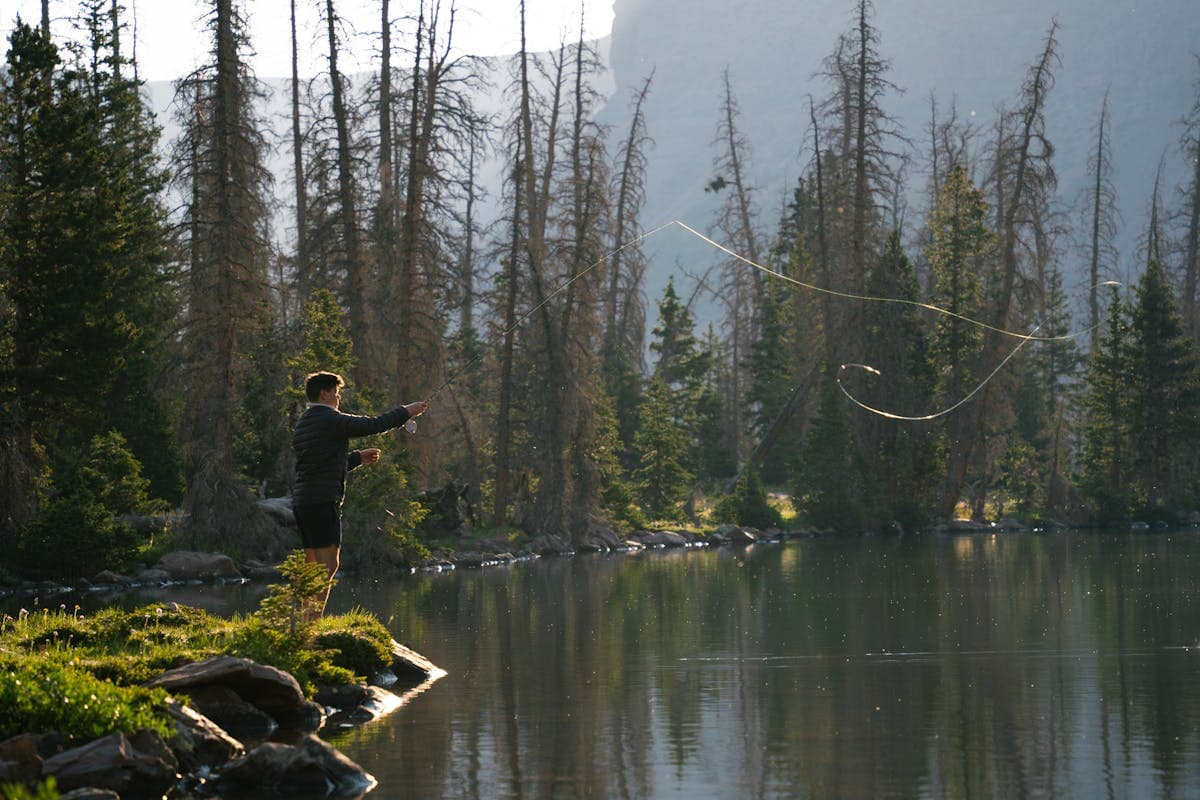
Early morning stillwater fishing - the calm before trophy cutthroats start cruising
Strawberry Reservoir ("the Berry") is Utah's most famous stillwater fishery and it's earned that reputation.
The Numbers:
- 17,000+ surface acres
- Trophy cutthroat and rainbow trout
- Fish in the 2-5 pound range are common
- Some fish exceed 8-10 pounds
Location: About 45 minutes southeast of Provo via US-40.
Best Times:
- Ice-Off (Late April - May): The absolute best fishing. Fish are hungry after winter and not selective. Wooly buggers and articulated streamers in rust, black, white, and olive produce 2-5 pound fish.
- Summer: Mouse patterns and poppers work on top. As the season progresses, mayfly patterns become more important.
- Fall: Excellent fishing as fish feed aggressively before winter.
- Ice Fishing: Strawberry is a popular ice fishing destination.
Tactics:
- From shore: Fish early morning and evening. Cast streamers or bait near structure.
- From boat: Trolling produces consistently. Float tubes work great for accessing deeper water.
- Fly selection: Start with Woolly Buggers (olive, black, rust), then match hatches as they develop.
Deer Creek Reservoir - Close and Productive
Deer Creek Reservoir is just 5 miles from Heber City, making it an easy add-on to any Provo River trip.
The Numbers:
- 2,965 surface acres
- Utah DWR stocks 90,000 catchable rainbow trout annually
- Brown trout also present (some big ones)
- Perch, walleye, and smallmouth bass for variety
Access:
- Shore fishing along US-189 on the south side
- Two paved boat ramps and one gravel ramp
- Deer Creek State Park (day-use fee required)
Tactics: Fish early morning and evening - Deer Creek gets intense afternoon winds in summer. Trolling works well, but shore anglers catch plenty of rainbows on bait or casting lures and streamers.
High Uinta Lakes - Alpine Adventure
The Uinta Mountains north of Provo contain over 500 fishable alpine lakes. This is wilderness fly fishing at its finest.
The first time I hiked into a Uinta lake, I didn't expect much. The maps showed over 500 lakes - how good could any one of them be? An hour's hike from the trailhead, I found a small lake rimmed with granite and timber. On the first cast with a black Woolly Bugger, a 14-inch brook trout hammered it so hard it nearly took the rod. I caught a dozen fish in an hour, all on top water, all aggressive. Nobody else was there. That's the Uintas.
Getting There:
- Mirror Lake Highway (UT-150) from Kamas is the main access
- Crystal Lake trailhead, Lofty Lakes Loop trailhead, and Christmas Meadows are popular starting points
- Most lakes are within 1-3 mile hikes from trailheads
- Multi-day backpacking trips can reach dozens of lakes
Fish Species:
- Brook trout (aggressive and numerous)
- Cutthroat trout (Bonneville and Bear River strains)
- Rainbow trout (stocked in some lakes)
- Arctic grayling (limited distribution)
- Some lakes hold golden trout
Tactics: Alpine lake fishing is fast and fun. Fish aren't selective at 10,000+ feet. Bring:
- Foam beetles and hoppers
- Small streamers (Woolly Buggers, size 8-12)
- Parachute Adams and Royal Wulffs
- Prince Nymphs with gold bead heads
The key is mobility - if one lake is slow, hike to the next. Inlet and outlet streams often concentrate fish.
Pro Tips:
- The Uinta brook trout "bonus limit" was removed in 2025. Follow statewide trout limits (4 fish).
- Bring bear spray and check trail conditions before hiking.
- September can be the most productive and least crowded time.
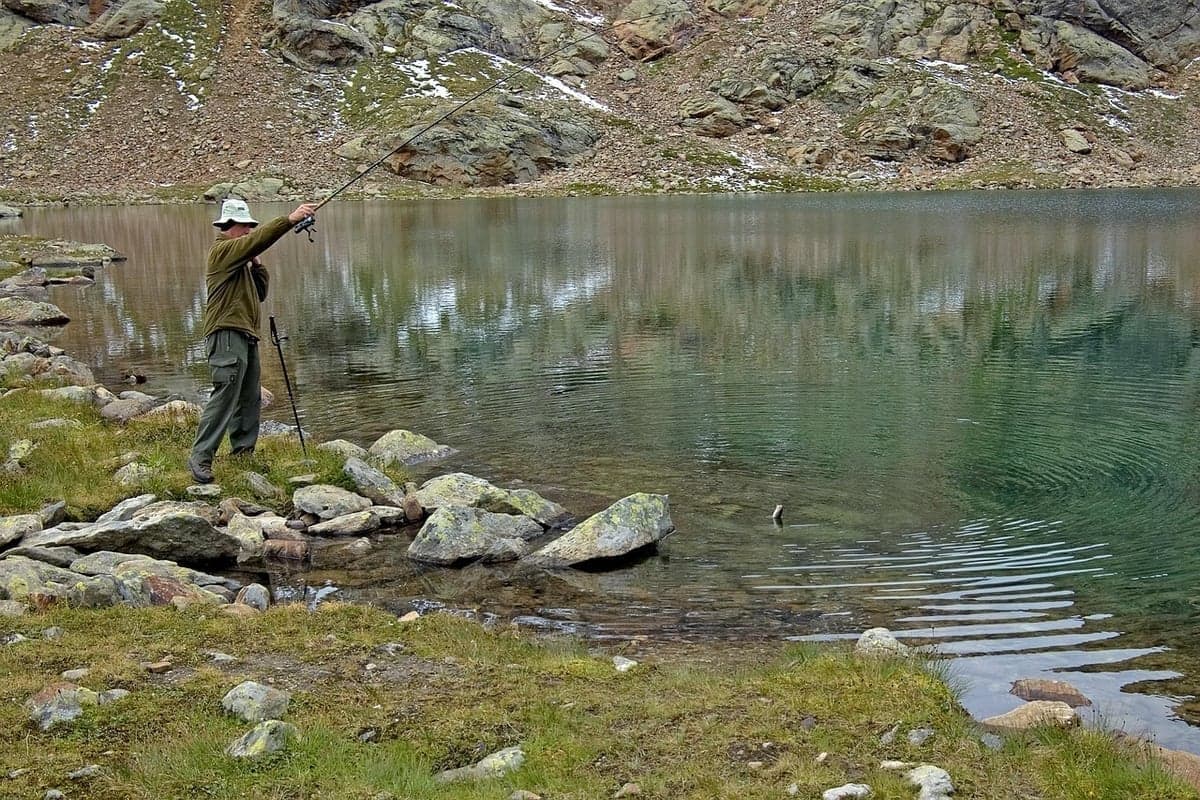
Alpine lake fly fishing - wilderness solitude and eager brook trout and cutthroats
The Hidden Spots: Diamond Fork and Beyond
Diamond Fork Creek - Wild Browns Near Hot Springs
Diamond Fork Creek flows through Spanish Fork Canyon about 20 minutes south of Provo. It's well-known locally but overlooked by visiting anglers.
Getting There: From I-15, take exit 258 toward Spanish Fork Canyon. Continue about 10 miles east, then turn left into Diamond Fork Canyon on Forest Road 029. The lower 1.3 miles have designated angler access parking areas.
The Fishing: Diamond Fork is a small stream with nice brown trout and occasional Bonneville cutthroat (stocked since 2018 fires). The fish aren't huge - 10-14 inches is typical - but they're wild and the scenery is beautiful.
Warning: The rocks in Diamond Fork are coated with slick algae - some of the slipperiest wading in Utah. Wear felt-soled boots or boots with studs. A wading staff isn't overkill here. Take it slow, and expect to slip at least once.
Bonus: Fifth Water Hot Springs + Fishing Day Trip:
The Three Forks trailhead (GPS: 40.0847° N, 111.3353° W) at the end of Diamond Fork Road is the starting point for the famous Fifth Water Hot Springs hike (2.5 miles, 640 ft elevation gain). The hot springs are spectacular - multiple rock-built pools at varying temperatures (perfect 102°F to steamy 111°F at the source) with a hot spring waterfall you can stand under. The water is milky blue-green and looks like something from Iceland.
The Perfect Combo Day:
- Arrive at Three Forks trailhead early (before crowds)
- Fish Sixth Water Creek near the trailhead for an hour
- Hike to Fifth Water Hot Springs (45-60 min)
- Soak, relax, eat lunch
- Hike back
- Hit Diamond Fork on the drive out for evening fishing
You can fish Sixth Water Creek near the trailhead, though access gets difficult as you hike upstream (trail climbs away from the water). The first quarter mile is the productive stretch. Small brook trout and cutthroats on small dries and nymphs.
Logistics:
- $10 parking fee at Three Forks trailhead (good for 3 days)
- America the Beautiful Pass gets you in free
- Road is fully paved and suitable for any vehicle
- Bring a towel and swimsuit for the hot springs
- Weekends get crowded - go early or on weekdays
Sixth Water Creek
The creek flowing past the Fifth Water Hot Springs trailhead. Fish it near the trailhead - the first quarter mile has the best access. Above that, the trail climbs away from the water and getting down to fish is difficult.
Small brook trout and cutthroats. Use small dries and nymphs. The fishing is secondary to the scenery, but it's a fun combo trip.
The Hatch Chart: What to Throw and When
Year-Round: Midges and Sow Bugs
The Middle and Lower Provo have year-round midge and sow bug populations. These bugs form the foundation of the trout diet.
Fly Patterns:
- Zebra Midge (#18-22) in red, black, brown, grey
- RS2 (#18-22)
- Sow Bug/Scud patterns (#14-18)
- Thread midges (#20-24) for winter
January - April: Midge Hatches and Early BWOs
The Middle Provo is famous for winter midge fishing. Midges hatch around noon when temps are warmest.
Peak flies:
- Griffith's Gnat (#18-22)
- Midge adult patterns
- BWO Parachute (#18-20) as spring approaches
- Buffalo midges (March)
April - May: BWO Prime Time
Blue-Winged Olives dominate. The hatch picks up momentum through April and hits full swing mid-month.
Key patterns:
- Parachute Adams (#18-20)
- Olive Parachute Hare's Ear (#18)
- RS2 (#18-20)
- Pheasant Tail nymphs (#16-18)
- Olive Sparkle Dun (#18)
May - June: Caddis and Stoneflies
Stoneflies and caddis hatches start building. Golden stoneflies appear in late May.
Go-to patterns:
- Elk Hair Caddis (#14-18) tan and peacock
- Stimulators (#10-14)
- Caddis pupae (#14-18) green and tan
- Golden Stonefly nymphs and dries (#6-10)
- Early stonefly patterns (spring)
June - August: PMDs and Summer Caddis
Pale Morning Duns become the dominant hatch. Caddis continue throughout summer.
Essential patterns:
- PMD parachute (#14-18)
- PMD comparadun
- Caddis patterns continue
- Hoppers and terrestrials (grasshoppers, ants, beetles)
September - November: Fall BWOs and October Caddis
BWOs return for their fall hatch (usually smaller than spring, #18-22). October caddis provides exciting late-season dry fly action.
Fall selection:
- BWO patterns (#18-22)
- October Caddis (#8-12) - Large orange/rust caddis
- Streamers for pre-spawn browns
- Egg patterns near spawning areas (but don't fish over redds)
Regulations Summary
Statewide Limits: 4 trout per day (2025)
Middle Provo (Legacy Bridge to Jordanelle Dam):
- Artificial flies and lures only
- Limit: 2 trout under 15 inches
- All fish 15"+ must be released
Middle Provo (Charleston to Legacy Bridge):
- Bait allowed
- Limit: 4 trout any size
Upper Provo (Jordanelle to north/south fork confluence):
- Artificial flies and lures only
- Limit: 2 brown trout under 15 inches
- All cutthroat and rainbow must be released
Lower Provo (Deer Creek Dam to Olmstead Diversion):
- Artificial flies and lures only
- Limit: 2 trout under 15 inches
Lower Provo (Olmstead to Utah Lake):
- General regulations apply
- Mixed species (trout, catfish, bass, etc.)
License Costs (2025):
- Non-resident annual: $94 (until June 30, 2025), $120 (July 1, 2025 onward)
- Non-resident 7-day: Available, check current prices at wildlife.utah.gov
Logistics: Getting There and Where to Stay
Getting There
Fly into: Salt Lake City International Airport (SLC) Drive time to Heber City: 45 minutes Drive time to Provo: 45 minutes Road conditions: All major routes are paved and suitable for any vehicle
Where to Stay
Heber City (Base for Middle Provo):
- Best Western Plus Heber Valley Hotel ($110-130/night)
- Swiss Alps Inn ($90-110/night)
- Multiple Airbnb/VRBO options
Park City (20 minutes from Middle Provo):
- More options but higher prices
- Good restaurants and nightlife
- 20-minute drive to the river
Provo/Orem (Base for Lower Provo):
- Many chain hotels at reasonable prices
- Easy access to Lower Provo and Diamond Fork
- Closest to the airport alternative route (I-15)
Camping:
- Jordanelle State Park ($35/night) - Right on the water
- Deer Creek State Park
- Multiple National Forest campgrounds along Mirror Lake Highway
- Diamond Fork Canyon campgrounds (some free primitive camping higher up)
Where to Eat
Heber City (Post-Fishing Favorites):
-
The Lakehouse at Deer Creek - High-end but genuine Utah dining with mountain views. Chef Tamara Stanger sources locally. The chicory spice-rubbed venison is outstanding. Perfect for a celebratory dinner after a trophy fish.
-
Back 40 Ranch House Grill - Farm-to-table with valley views. Grass-fed burgers, seasonal salads. Great outdoor seating. More casual than the Lakehouse.
-
Dairy Keen - Local institution. No-frills burgers, fries, and shakes. Exactly what you want after eight hours on the river. Family-friendly and cheap.
-
Chick's Café - Diner comfort food. Famous for chicken-fried steak and homemade pies. Hearty breakfast before an early morning on the water.
Midway:
-
Lola's Street Kitchen - If you can only eat at one place in Midway, this is it. Cute diner-type spot, huge local following. Go early or expect a wait.
-
Midway Mercantile - Casual fine dining in an 1870s brick building. Fresh fish, steaks, and pub fare. Chef John Platt works with local shepherds for the lamb.
Quick Stops:
-
The Bagel Den (Heber City) - Authentic NYC bagels shipped from New York. Great for grab-and-go breakfast.
-
Milk House at the Homestead Resort (Midway) - Handcrafted coffee, pastries, quick breakfast options.
Fly Shops and Guides
Trout Bum 2 (Park City) 4343 UT-224 #101, Park City (435) 658-1166 troutbum2.com
- Provo and Weber River specialists
- Half-day wade trips: $275-325
- Full-day trips available
- Gear rental: ~$60/day
Fish Heads Fly Shop (Heber City) Downtown Heber City
- Local intel on Middle Provo
- Flies and gear
Jans Mountain Outfitters (Park City) (435) 649-4949 jans.com
- Weber, Provo, and Strawberry guided trips
- High Uinta wilderness trips
Wilderness Trout Expeditions flyfishingtripsutah.com
- Year-round guide service
- Middle Provo, Lower Provo, Weber River
Sample Itineraries
3-Day Weekend (Focus: Middle Provo)
Friday:
- Arrive SLC by 3pm
- Drive to Heber City (45 min)
- Stop at Trout Bum 2 in Park City for flies and local intel
- Scout the Middle Provo at Midway access (evening)
- Dinner in Heber City
Saturday:
- Morning guided half-day on Middle Provo (7am-noon)
- Lunch in Heber City
- Afternoon solo session on Middle Provo (2-6pm)
- Apply what you learned with the guide
Sunday:
- Morning solo session at a different access point (7-11am)
- Drive to SLC for afternoon flight
Budget: $570-740 (camping) to $800-1,000 (hotel + guide)
5-Day Explorer (Rivers, Lakes, and Hidden Spots)
Day 1: Middle Provo
- Morning: Fish Jordanelle outlet area
- Afternoon: Fish Midway to Charleston stretch
- Evening: Stay in Heber City
Day 2: Weber River
- Drive to Rockport Reservoir area (30 min)
- Fish the tailwater below Rockport
- Try the WIA access areas
- Return to Heber City
Day 3: Strawberry Reservoir
- Drive to Strawberry (45 min from Heber)
- Full day of stillwater fishing
- Float tube or shore fishing
- Return to Heber or camp at Strawberry
Day 4: Diamond Fork and Hot Springs
- Drive to Diamond Fork Canyon (45 min from Heber)
- Morning fishing on Diamond Fork
- Afternoon hike to Fifth Water Hot Springs
- Soak and relax
- Drive to Provo area for night
Day 5: Lower Provo
- Morning session on the Lower Provo blue-ribbon stretch (Provo Canyon)
- Late morning: explore urban section if curious
- Afternoon: Drive to SLC
Budget: $1,000-1,500 depending on lodging and guide choices
7-Day Ultimate Utah (Everything)
Days 1-2: Middle and Lower Provo (based in Heber) Day 3: Weber River day trip Day 4: Strawberry Reservoir Day 5-6: High Uintas backpacking trip (overnight at alpine lakes) Day 7: Diamond Fork + hot springs, then depart
This hits every type of water - tailwater, freestone, stillwater, alpine lakes, and small streams.
Gear List for Provo
Rods:
- 5-weight - Your workhorse for the Middle and Lower Provo. 9 ft is standard.
- 4-weight (optional) - Nice for technical dry fly work on the Lower Provo when fish are picky.
- 3-weight (optional) - Fun for Upper Provo small-stream fishing and alpine lakes.
- 6-weight - If you're hitting Strawberry Reservoir for big cutthroats or the Weber for trophy browns.
Lines:
- Floating line covers 95% of Provo area fishing
- Sinking line or sink-tip only needed for deep stillwater work at Strawberry
Leaders and Tippet:
- 9 ft 4X or 5X leaders for most situations
- Always carry 6X and 7X tippet - The tailwater fish are educated
- 3X for streamers and bigger flies on the Weber
Essential Flies (Build this box before you come):
- Zebra Midge #18-22 (red, black, grey) - 6 each
- RS2 #18-22 - 6 each
- BWO Parachute #18-20 - 6 each
- Parachute Adams #16-18 - 6 each
- Pheasant Tail #16-18 - 6 each
- Elk Hair Caddis #14-18 - 6 each
- PMD Parachute #14-18 - 6 each (summer)
- Woolly Bugger #8-12 (olive, black) - 4 each (for Strawberry)
- Thread midges #22-26 - 6 (winter)
- October Caddis #8-12 (fall)
Wading Gear:
- Felt-soled wading boots are essential - The Middle Provo and Diamond Fork are notoriously slippery
- Breathable waders for spring/fall/winter
- Wet wading gear (shorts, wading sandals or boots) for summer
Other Essentials:
- Polarized sunglasses (critical for sight-fishing)
- Rain jacket - afternoon thunderstorms happen in summer
- Layers for winter fishing - it's cold but the fishing is hot
- Strike indicators (thingamabobbers work great on the Provo)
- Nippers, hemostats, net
Flow Monitoring and Trip Planning
Before You Go
Use RiverReports to monitor:
- Middle Provo River at Heber City
- Weber River flows
- Strawberry Reservoir levels
Set up flow alerts to get notified when conditions hit your target range.
Target Flows
- Middle Provo: 150-300 CFS ideal, fishes well at most levels
- Lower Provo: 200-400 CFS
- Weber River: 200-400 CFS (tailwater section)
Why Provo Over Montana?
Let's be honest about the comparison:
Provo Advantages:
- 45 minutes from a major airport (SLC)
- Lower fishing pressure on most waters
- Cheaper licenses ($94 vs Montana's expensive short-term options)
- More diverse fishing options in a smaller area
- Year-round fishing on tailwaters
- 3,500 fish per mile (Middle Provo) rivals any Western river
Montana Advantages:
- More famous rivers (bragging rights)
- Different scenery
- More guide options
The fish don't care about fame. The Middle Provo has 3,500 wild brown trout per mile. The fishing is excellent. The crowds aren't. That's the definition of a hidden gem.
What Could Go Wrong (And How to Handle It)
Blown-out flows: Rare on the Middle Provo (it's dam-controlled), but if Jordanelle is releasing high water, the Lower Provo or Weber River are alternatives. Strawberry Reservoir doesn't care about river flows.
Crowds on summer weekends: Fish early morning (be on the water by 6am) or late evening. The Middle Provo's middle access points see less pressure than the dam or Charleston ends. Or hit Diamond Fork - almost always quiet.
Winter weather: Dress in layers. The fishing can be excellent but it's cold. If roads are icy, stick to the Lower Provo in Provo Canyon - US-189 is well-maintained.
Skunked on the tailwaters: It happens. These are educated fish. If you're struggling, switch to smaller flies (always carry size 24-26 midges) and lighter tippet (6X or 7X). Slow down your presentations. Or bail to Strawberry - those cutthroats aren't as picky.
Cell service: Good in Heber Valley and along US-189 in Provo Canyon. Spotty to nonexistent in Diamond Fork Canyon and the High Uintas. Download offline maps before heading into the backcountry.
Final Thoughts
Provo, Utah won't stay hidden forever. Fishing pressure is increasing as more anglers discover what locals have known for years - this area has everything.
The Middle Provo alone would be worth the trip - 3,500 wild brown trout per mile in a gorgeous mountain valley, fishable 365 days a year. But then you add the Lower Provo's giant rainbows, Strawberry's trophy cutthroats, the High Uintas' 500 alpine lakes, and the Fifth Water Hot Springs combo day... it's hard to beat.
You can fish a blue-ribbon tailwater in the morning, drive 30 minutes to alpine lakes in the afternoon, and end the day soaking in 102-degree natural hot springs with a cold beer. That combination doesn't exist anywhere else I've fished.
Your action plan:
- Track Utah river conditions before you go
- Set up flow alerts for your target CFS ranges
- Book your guide early for peak seasons (call Trout Bum 2 at 435-658-1166)
- Buy your Utah fishing license online before you arrive
- Don't tell everyone about your new favorite fishing destination
The fish are waiting. They've been waiting for 3,500 per mile. Go get them.
Get River Intel Weekly
Flow updates and fishing intel delivered every Thursday.
River Intel Weekly
Weekly flow updates and fishing intel.
© 2026 RiverReports, Inc.