The Ultimate Western Fly Fishing Road Trip: Chasing Peak Summer Hatches
Chase salmonflies, green drakes, and alpine lakes across 2-4 weeks of epic hatches
Jake Morrison
December 10, 2025
9 min read
TLDR
Start in early June for the full 4-week experience, or mid-June for 2 weeks. You'll chase salmonflies on Montana's Big Hole and Madison (mid-late June), green drakes on Colorado's Roaring Fork (late June), golden stones and PMDs across multiple rivers (late June-early July), and finish with high alpine lakes in Wyoming or Idaho (early July). This timing hits peak Western hatches before summer crowds arrive. Check Montana flows and Colorado flows before you go.
Why This Window Works
Most anglers plan Western fly fishing trips around July or August when everything's accessible. They're missing the best fishing of the year.
The magic window is mid-June through early July. Runoff is dropping, water temps are rising, and you can time multiple iconic hatches across three states. The salmonfly hatch moves upstream through Montana rivers in mid-to-late June. Green drakes start hatching on Colorado's Roaring Fork around mid-June and progress upstream for 3-4 weeks. Golden stones and PMDs overlap from late June through July on nearly every major Western river.
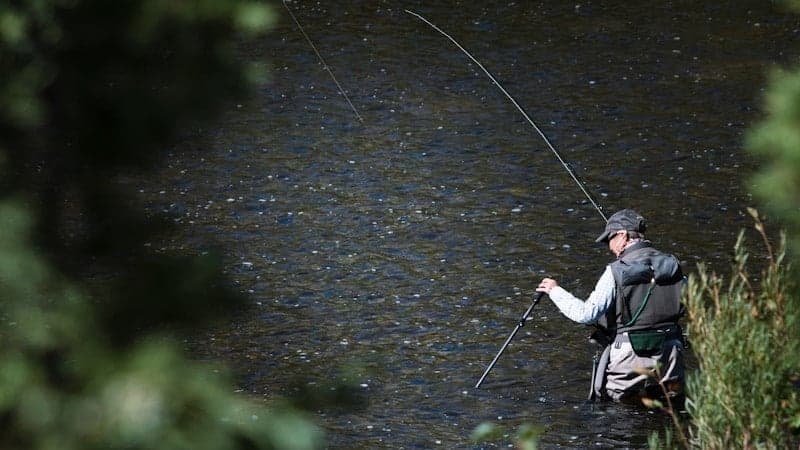
Big Hole River, Montana - one of the West's best salmonfly fisheries
This timing is perfect: you'll hit peak hatches, alpine lakes will be ice-free but not yet crowded, and you'll beat the late summer heat and low flows that arrive in August.
The 4-Week Route (Early June - Early July)
Start in southwest Montana for the early salmonfly hatches, then work south into Colorado for green drakes, and finish north in Wyoming or Idaho for alpine lakes.
Week 1: Early Montana Salmonflies (Early June)
Montana's salmonfly hatch is legendary for good reason. These 2-inch stoneflies bring big trout to the surface.
Start on the Madison River between Quake Lake and Ennis. The salmonfly hatch typically hits this stretch mid-to-late June, but in higher water years it can start earlier. Water temps around 55°F trigger the hatch. Check Madison River flows - you want 800-1,200 CFS.
Fish size 4-8 Chubby Chernobyls, Stimulators, or realistic salmonfly patterns tight to the banks. Trout will be aggressive. Bring 4-6 weight rods and expect 16-20 inch fish.
Base in Ennis, Montana. It's fly shop heaven and you're 30 minutes from prime water.
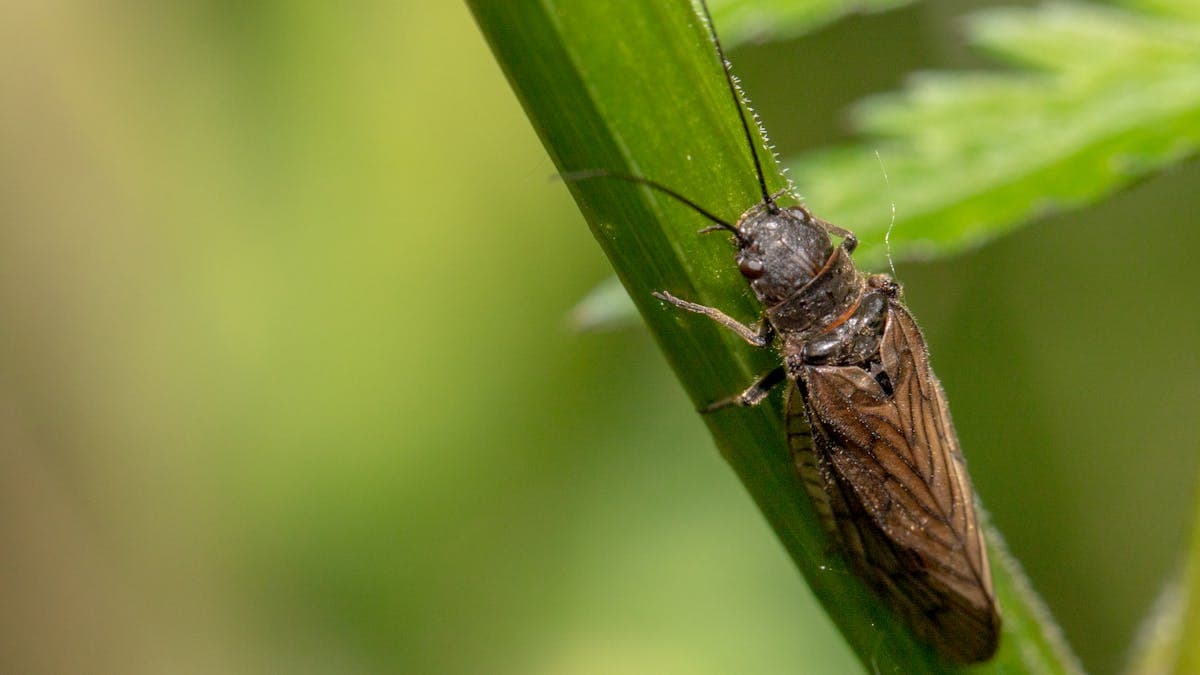
Salmonfly (Pteronarcys californica) - the iconic 2-inch stonefly that triggers explosive dry fly fishing
Week 2: Peak Montana Salmonflies (Mid-June)
Move to the Big Hole River, which hosts salmonflies from Divide to Melrose between late May and mid-June. By mid-June, the hatch will be in full swing in the upper stretches.
The Big Hole runs big - you'll want to wade carefully or bring a drift boat. Fish are less pressured than the Madison. Flows should be 600-1,000 CFS by mid-June.
Alternative: If you want variety, hit the Yellowstone River between Livingston and Gardiner. The salmonfly hatch can occur here anytime between late June and early July depending on runoff.
Week 3: Colorado Green Drakes (Late June)
Head south to Colorado's Roaring Fork River near Aspen. Green drakes start around mid-June in Glenwood Springs and progress upstream over 3-4 weeks.
By late June, the hatch will be prime in the Aspen section. These big mayflies (size 10-12) create aggressive surface feeding. Fish dusk and cloudy afternoons.
The Frying Pan River also has excellent green drake fishing. It's a tailwater, so flows are consistent and you can fish multiple hatches - PMDs in the afternoon, green drakes at dusk.
Check Colorado River flows for the Roaring Fork and Frying Pan. Look for 400-800 CFS on the Roaring Fork, 200-400 CFS on the Frying Pan.
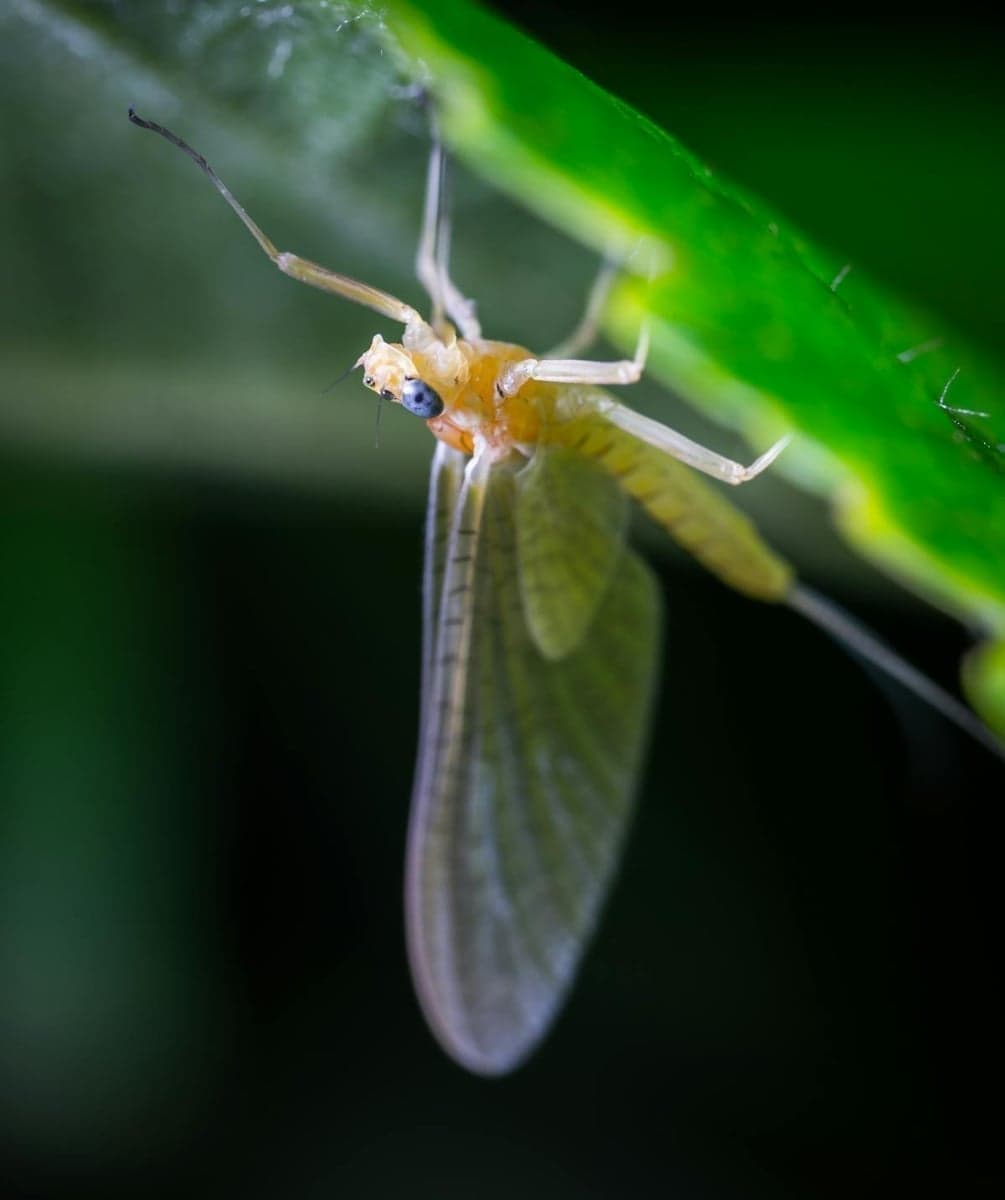
Green drake mayfly (Ephemera guttulata) - large mayflies that create explosive surface feeding in late June
Week 4: Alpine Lakes & Golden Stones (Early July)
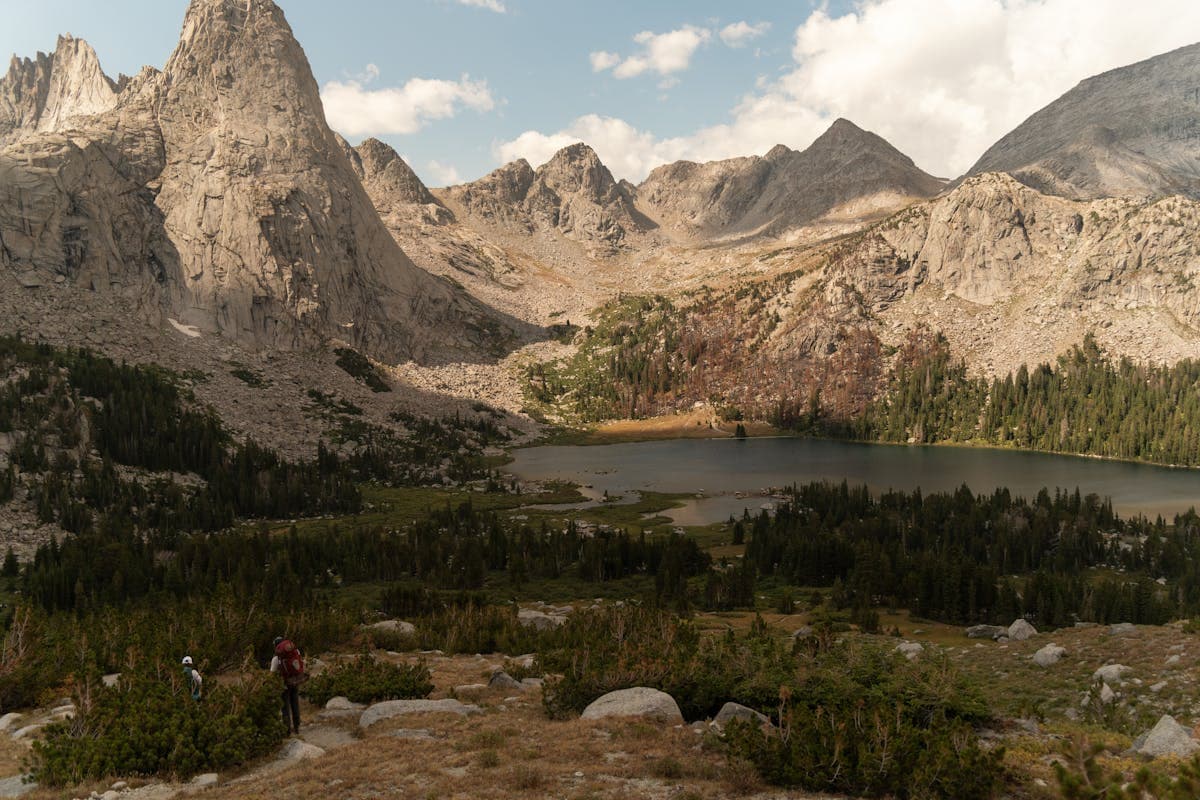
Wyoming's Wind River Range - dramatic alpine scenery and hungry cutthroats await
Alpine Lake Fishing
Head north to Wyoming's Wind River Range or Idaho's Sawtooth Mountains for high alpine lake fishing. By early July, most alpine lakes are ice-free and fish are hungry after a long winter.
Idaho has over 3,700 alpine lakes. Many are stocked with brook trout, cutthroat, or rainbows that grow surprisingly large on limited food.
Pack light spinning gear (Rooster Tails work great) or a 3-4 weight fly rod with foam beetles, hoppers, and small streamers. Fish inlet and outlet streams first - that's where trout stage.
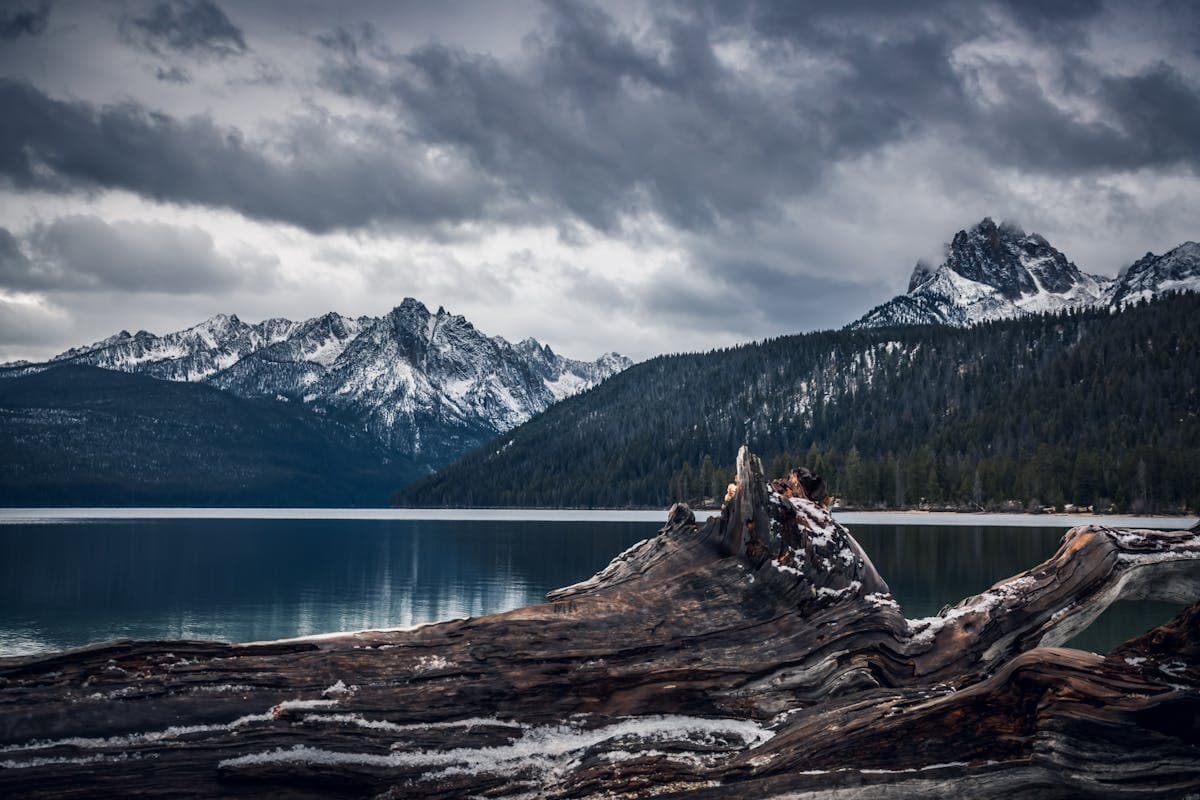
Sawtooth Mountains, Idaho - over 3,700 alpine lakes with hungry cutthroat and brook trout
Golden Stones & PMDs
While you're in Wyoming, don't skip the golden stone hatch. Golden stones emerge about two weeks after salmonflies - so late June through mid-July on rivers like the Yellowstone, Madison, and Henry's Fork. PMDs will also be hatching in strong numbers.
Combine alpine lake day hikes with evening golden stone fishing on nearby rivers. Best of both worlds.
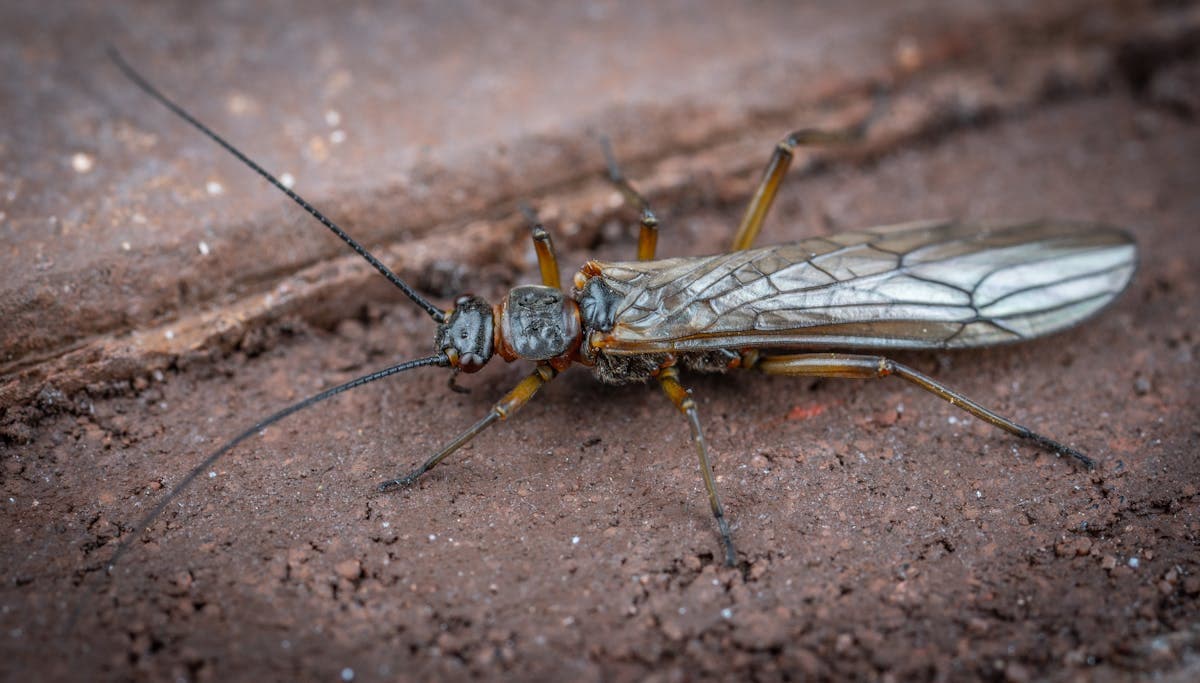
Golden stonefly nymph - these hatch about two weeks after salmonflies and provide excellent dry fly action through July
The 2-Week Route (Mid-June - Early July)
If you only have two weeks, skip Montana's early salmonfly water and focus on the peak hatches.
Days 1-5: Big Hole Salmonflies (Mid-June)
Start in Melrose, Montana on the Big Hole River. Salmonflies will be peaking. This is your big bug experience.
Days 6-10: Roaring Fork Green Drakes (Late June)
Drive south to Aspen. Green drakes will be hatching in the mid-river section. Fish mornings and evenings, hike or explore during midday.
Days 11-14: Alpine Lakes & Golden Stones (Early July)
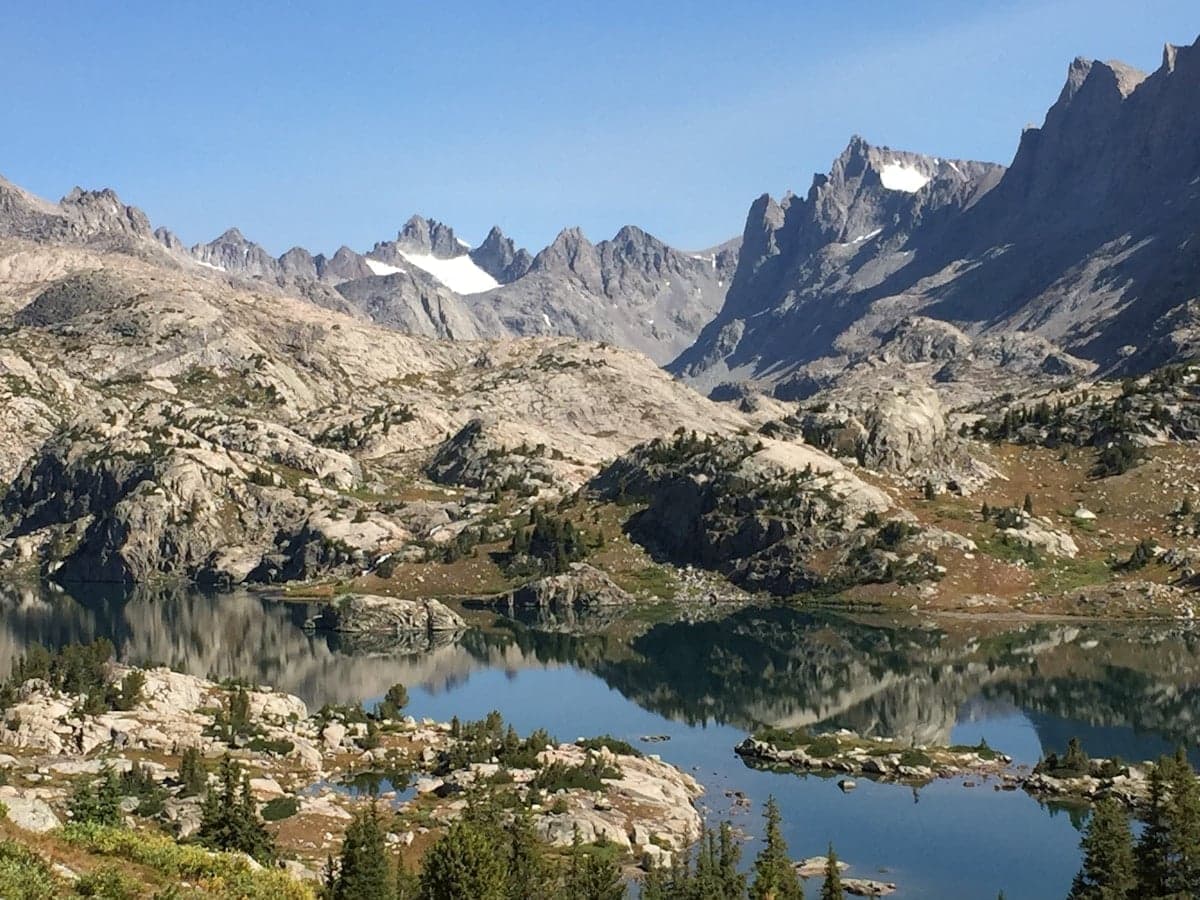
Alpine lake perfection - snow-capped peaks, crystal water, and trout that haven't seen an angler in months
Head to Wyoming or Idaho for alpine lakes and evening golden stone fishing. Perfect finale combining high-elevation fishing with evening river hatches.
The 3-Week Route (Mid-June - Early July)
The sweet spot for most anglers - enough time to hit all the major hatches without burning too much vacation.
Week 1 (Mid-June): Madison River salmonflies between Quake Lake and Ennis. Chase the hatch upstream as water temps hit 55°F.
Week 2 (Mid-to-Late June): Big Hole River from Divide to Melrose. Salmonflies will be peaking, with less pressure than the Madison.
Week 3 (Late June-Early July): Start with Roaring Fork green drakes near Aspen, then finish with alpine lakes in Wyoming or Idaho. Catch evening golden stones on nearby rivers.
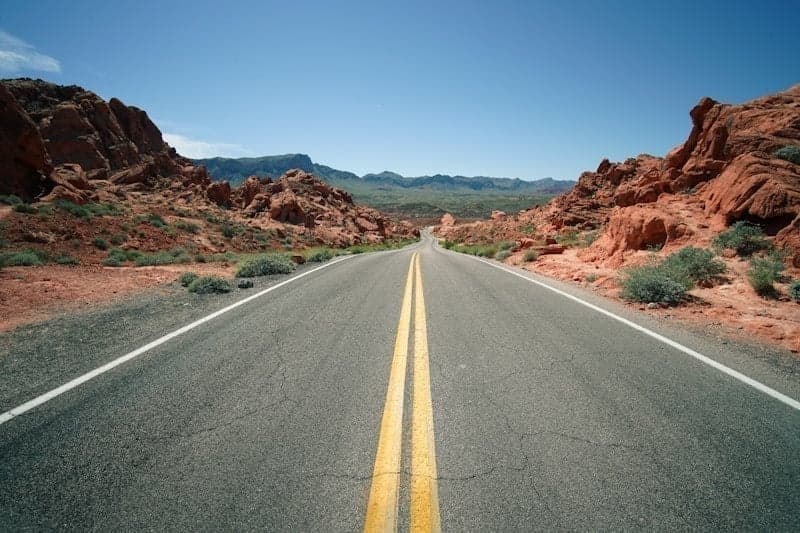
Cruising through Wyoming on the way to the next river
Pro Tips for Road Trip Success
Track Flows Like Your Trip Depends On It (Because It Does)
Hatch timing shifts every year based on water temperature and flow. The Madison might fish great at 1,000 CFS one year and be blown out the next.
Use RiverReports to monitor flows at each stop. Set up flow alerts for the Madison, Big Hole, and Roaring Fork so you know when conditions hit your target window. Salmonfly hatches happen fast - sometimes just 5-7 days on a given stretch.
Pack for 40°F to 90°F
June in Montana can be 45°F at dawn and 85°F by 3pm. Bring layers. Pack waders, but also bring shorts and wet wading boots for hot afternoons in Colorado.
Don't Overschedule
Your best fishing day might happen when you least expect it. If the Big Hole is firing, stay an extra day. Don't feel locked into a rigid schedule.
Talk to Fly Shops
Local shops know what's hatching right now, not what hatched last week. Stop in Ennis, West Yellowstone, Basalt, and Jackson. Buy flies, get beta, support local businesses.
Bring Multiple Rods
A 5-weight covers most situations, but you'll want a 3-weight for alpine lakes and PMDs, and a 6-weight for big water and stoneflies. If you can only bring one, go with a 5-weight.
Book Lodging Early
Ennis, Melrose, and Aspen are small mountain towns that fill up 3-4 months ahead during peak season. Book accommodations as soon as you lock in dates. Consider Airbnb or VRBO for better availability and kitchen access.
Alternative Alpine Lake Destinations
If Wyoming's Wind Rivers are crowded, try:
- Idaho's Sawtooth Wilderness (3,700+ alpine lakes)
- Montana's Beartooth Plateau
- Washington's Alpine Lakes Wilderness (if you extend the trip north)
Alpine lake fishing peaks July through September, so early July is prime time.
What Makes This Trip Special
You're hitting the West's most iconic hatches at their absolute peak. Montana salmonflies, Colorado green drakes, golden stones, PMDs, and alpine lakes - all in their prime window. Not too early (runoff), not too late (low flows, hot water). June into early July is the sweet spot, and you're finishing on July 4th with fireworks in a mountain town.
Resources & Further Reading
Hatch Information:
- Montana Salmonfly Hatch Guide
- Green Drake Hatch: Everything You Need to Know
- Golden Stone Hatch in Montana
- Western Stonefly Fly Fishing in Colorado
Alpine Lake Resources:
Flow Monitoring:
Fly Shops to Visit:
- Madison River Outfitters (Ennis, MT)
- Big Sky Anglers (Bozeman, MT)
- Vail Valley Anglers (Basalt, CO)
- Taylor Creek Fly Shops (Aspen/Basalt, CO)
- Jack Dennis Sports (Jackson, WY)
Plan Your Trip
This trip requires timing. Salmonflies move fast, green drakes are fickle, and alpine lake access depends on snowpack. You need real-time flow data.
Use RiverReports to dial in your timing. Track the Madison, Big Hole, and Roaring Fork as your dates approach. Set up flow alerts for your target CFS ranges so you know exactly when to pull the trigger on each leg.
When you're standing on the Big Hole in late June with size 4 stimulators getting crushed by 18-inch browns, or watching green drakes blanket the Roaring Fork at dusk, or hooking a 3-pound brook trout at 11,000 feet on July 3rd - you'll understand why timing matters.
The West's best fishing isn't in August. It's late June and early July. Start tracking flows now.
Get River Intel Weekly
Flow updates and fishing intel delivered every Thursday.
River Intel Weekly
Weekly flow updates and fishing intel.
© 2026 RiverReports, Inc.