How Water Temperature Affects Trout Fishing (and When You Should Stop)
A practical guide to temperature thresholds, hoot owl closures, and knowing when to reel it in
Mike Stevens
August 26, 2026
10 min read
Air temperature 94. Water temperature 71. A sixteen-inch brown comes to the net, goes up for a photo, and spends thirty seconds in the air while somebody works a phone camera. It kicks out of your hands and disappears, and you go back to fishing.
That fish is in trouble, and you will never know it. Idaho Fish and Game measured mortality 69% higher for trout caught at 73 degrees than for fish caught below 66. And research published in Conservation Physiology found that in brook trout, air exposure past 30 seconds and water above 67 degrees compound each other: the two together do more damage than either one alone.
None of that is visible from the bank. Which is why water temperature is the number most anglers never check before they go fishing.
Why Temperature Matters More Than You Think
Trout are cold-blooded. Their metabolism, oxygen demand, and stress response are all controlled by the water around them. When the water warms, two things happen at the same time: the fish need more oxygen (their metabolism speeds up) and the water holds less of it (warm water carries less dissolved oxygen than cold water).
At 50 degrees F, a mountain stream might hold 11 mg/L of dissolved oxygen. At 70 degrees, that same stream holds closer to 8 mg/L. The fish are running harder on less fuel. Add the stress of being hooked, fought, handled, and released, and you're pushing a fish past what it can recover from.
Research published in Conservation Physiology found that air exposure longer than 30 seconds combined with water temperatures above 67 degrees F had a synergistic effect on brook trout, meaning the two stressors together were worse than either one alone.
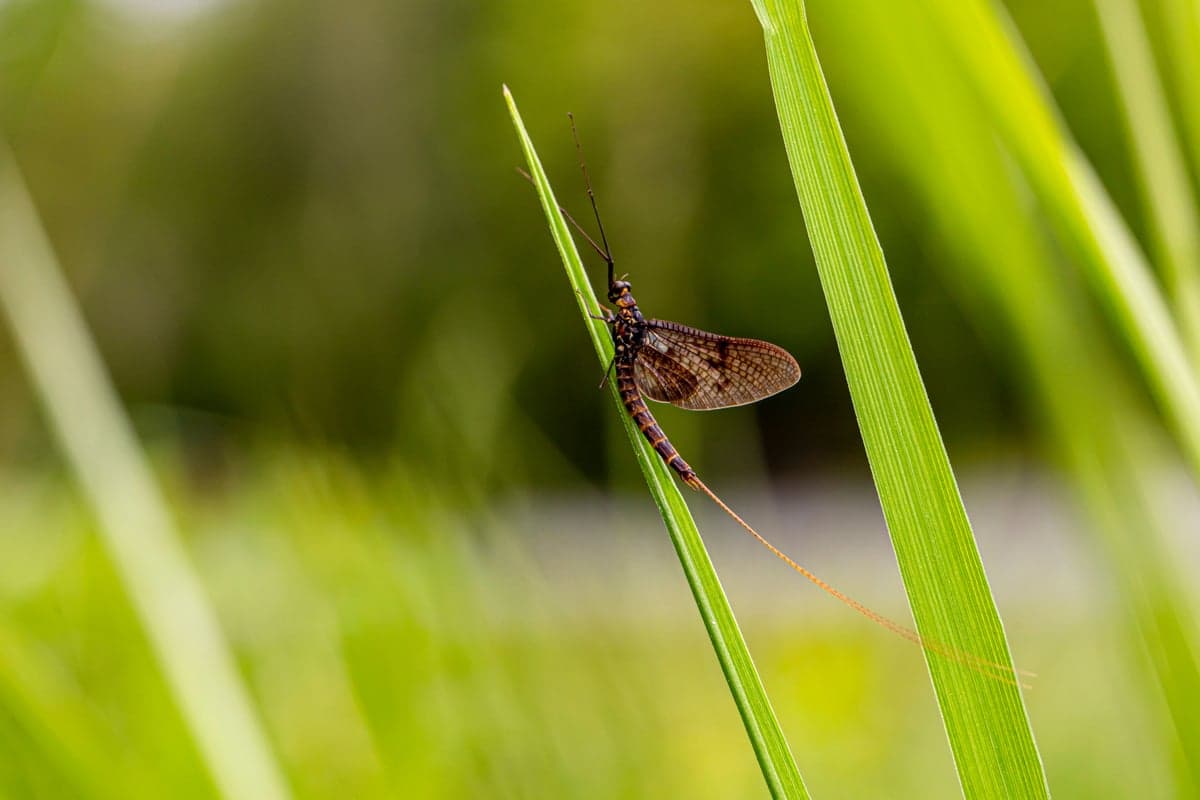
Aquatic insects like mayflies are temperature-dependent too. Hatches shift earlier in the day as water warms through summer.
Species-by-Species: Know Your Trout's Limits
Not all trout handle heat the same way. Brook trout are the canaries in the coal mine. Browns are the toughest. The differences matter when you're deciding whether to fish.
Brook Trout are the most cold-sensitive salmonid you'll encounter in the Lower 48. Their optimal feeding range is 52 to 61 degrees F. They start showing stress at 65 degrees and are rarely found in water above 68 degrees. If you're fishing a brook trout stream and your thermometer reads 64, you're already at the edge.
Cutthroat Trout prefer the coldest water of the bunch, with an optimal range of 48 to 58 degrees F. Westslope cutthroat are particularly sensitive. If you're fishing cutthroat water in the Rockies, carry a thermometer and check before your first cast.
Rainbow Trout feed best between 54 and 68 degrees F and tolerate warmer conditions better than brookies or cutthroat. But "tolerate" is doing a lot of work in that sentence. Rainbows stop growing at 73 degrees and face lethal conditions above 77 degrees, especially when dissolved oxygen drops.
Brown Trout are the most heat-tolerant trout species, with an optimal feeding range of 52 to 66 degrees F. They can survive brief exposure up to the low 80s in some studies, but even short-term exposure to warmer water changes how browns use energy, respond to stress, and grow. "Can survive" is not "will thrive."
The Decision: Fish, Adapt, or Walk Away
Check the temperature before you rig up, then use this:
Under 55 degrees F: Fish however you want. The trout are comfortable and can handle catch-and-release without elevated risk.
55 to 64 degrees F: Prime time. Trout are actively feeding, insects are hatching, and fish can handle normal catch-and-release practices. This is the sweet spot.
65 to 67 degrees F: Yellow zone. Fish if you want, but speed up your release time. Barbless hooks, rubber nets, keep the fish wet, no hero shots. Get it back in the water in under 10 seconds.
68 to 72 degrees F: Red zone. You can fish, but you should ask yourself why. Mortality rates jump significantly. Idaho Fish and Game found mortality was 69% higher for trout caught at 73 degrees than for those caught below 66 degrees. If you do fish, target early morning before temperatures peak.
Above 72 degrees F: Stop fishing for trout. Full stop. Even with perfect handling, the combined stress of being caught and released in water this warm is likely to kill the fish within 24 to 72 hours.
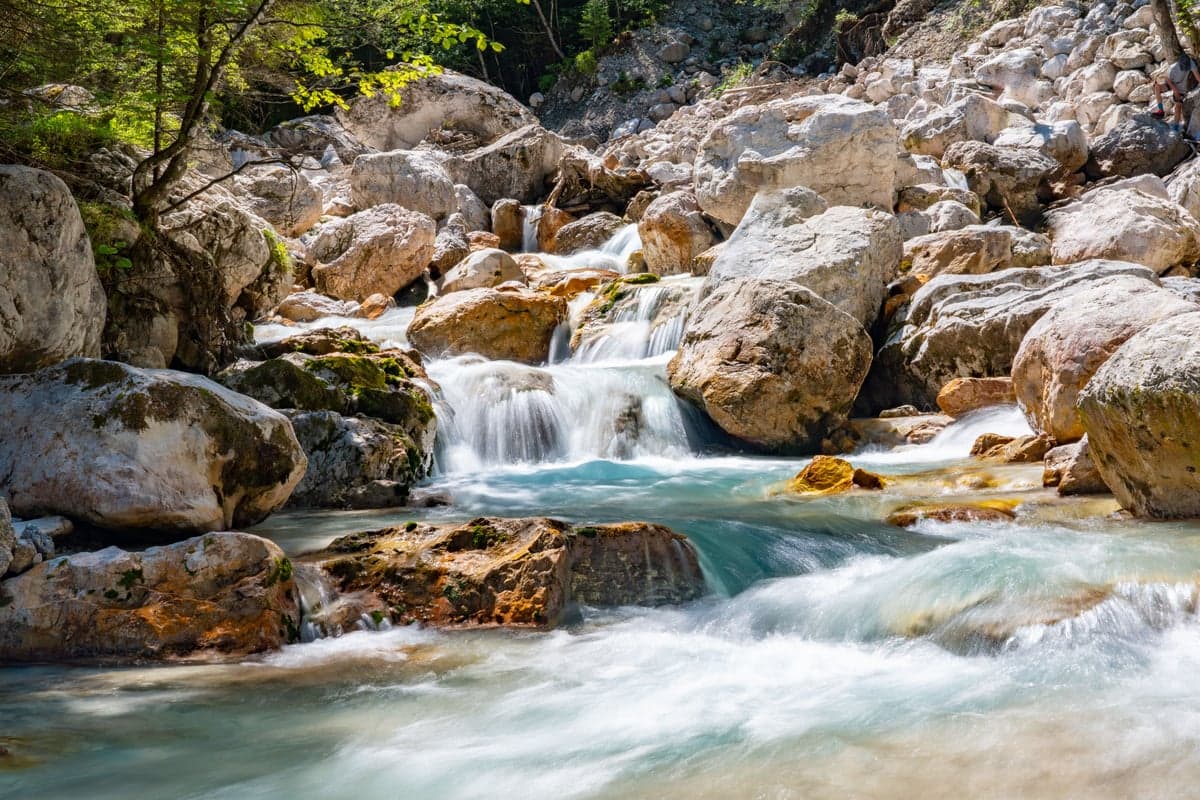
Cold mountain streams like this hold temperatures well below stress thresholds, even in midsummer. Elevation is your friend.
Hoot Owl Restrictions: When the State Makes the Call for You
Montana leads the country on proactive warm-water closures. Their "hoot owl" restrictions kick in when a stream gauge reads 73 degrees F or higher for three consecutive days. Under hoot owl rules, fishing is prohibited from 2 p.m. to midnight, limiting anglers to the coolest hours.
In the summer of 2026, Montana Fish, Wildlife and Parks placed 24 waterways under restrictions, including blue-ribbon streams like the Madison, Big Hole, Gallatin, Jefferson, Bitterroot, and Shields rivers. You can track Montana's current river conditions to see which waters are still open.
The entire Yellowstone National Park closed all rivers to fishing between 2 p.m. and sunrise.
Some waters faced complete closures. To protect bull trout and westslope cutthroat, FWP prohibited all fishing within 100 yards of three cooler tributaries joining the Clark Fork River, because stressed trout congregate at these cold-water refuges and are easy (and unethical) to target.
Other states handle it differently:
Idaho relies mostly on voluntary angler restraint. Idaho Fish and Game published guidance asking anglers to avoid fishing when water temperatures exceed 70 degrees, but there's no enforcement mechanism.
Colorado has the authority to impose closures but has been slower to act. Colorado Parks and Wildlife did not respond to press inquiries about potential hoot owl rules for the 2026 season, even as low snowpack and record heat hit freestone rivers hard.
Wyoming follows Montana's model in Yellowstone but doesn't apply similar rules statewide. Outside the park, anglers need to self-regulate.
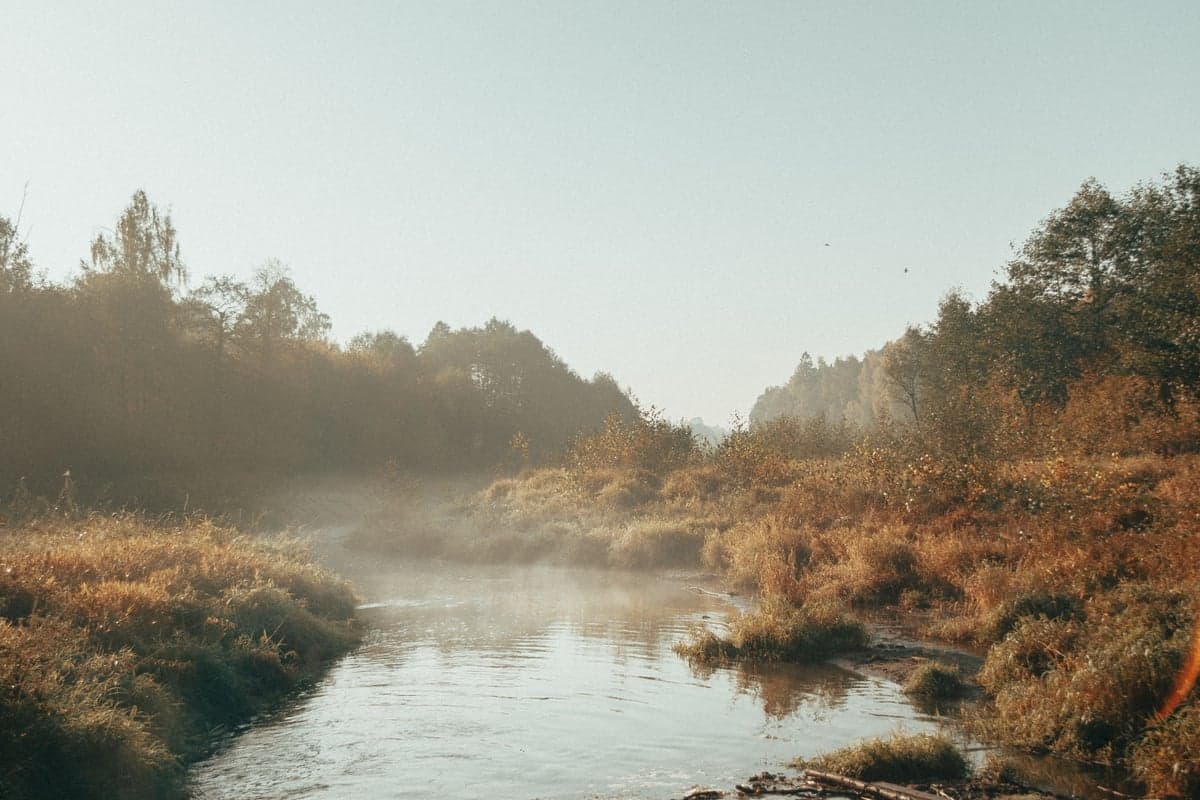
Early morning is the safest window for warm-weather trout fishing. Get on the water at dawn, and be done by noon.
The Ethics of Catch-and-Release in Warm Water
Catch-and-release is not a get-out-of-jail-free card. In warm water, it can be a death sentence.
The Keep Fish Wet initiative has been clear about this: catching a trout in water temperatures of 70 degrees or warmer is often lethal. Even with perfect handling (barbless hooks, rubber net, fish never leaves the water, released in under 10 seconds), you're adding fight stress to a fish that's already oxygen-deprived.
If you do choose to fish in marginal conditions, the research points to a few non-negotiable practices:
- Land the fish quickly. A long fight exhausts a trout's oxygen reserves. Use appropriate tippet so you're not playing the fish on 7X for 10 minutes.
- Keep it in the water. Air exposure of more than 10 seconds starts compounding thermal stress. No photos. No measuring.
- Use barbless hooks. Faster release, less handling time.
- Revive facing upstream. Hold the fish in current until it kicks away on its own. If it rolls on its side, you may need to revive it for several minutes.
- Fish early. Water temperature usually bottoms out between 5 and 7 a.m. By 2 p.m. on a hot day, a freestone river can be 10 to 15 degrees warmer than it was at dawn.
You can put yourself under hoot owl hours without waiting for an agency to do it. Fish from first light, be off the water by early afternoon, and go find shade. Nobody has to enforce that but you.
Where to Go When Your River Gets Too Hot
You don't have to stop fishing. You just need to go somewhere colder.
Tailwaters are the obvious answer. Dam-release rivers pull water from 40 to 120 feet below the reservoir surface, and that water comes out at 38 to 52 degrees F regardless of air temperature. The Green River below Flaming Gorge, the Missouri below Holter Dam, and the San Juan below Navajo Dam all fish well through the hottest months. Check current tailwater flows before you drive.
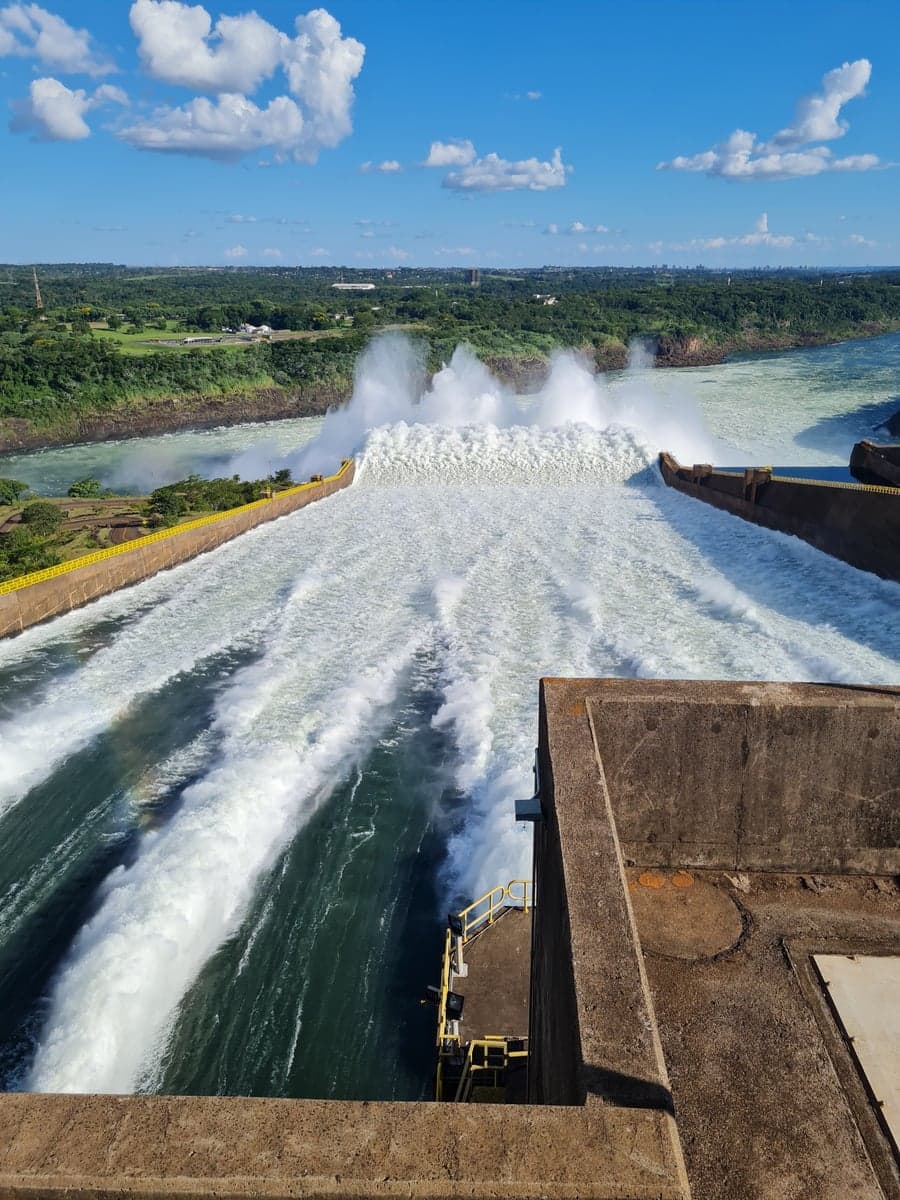
Tailwater fisheries stay cold all summer because dam releases pull water from deep in the reservoir. When freestones overheat, tailwaters keep fishing.
High-altitude streams above 9,000 feet operate on a different thermal clock. Shorter solar exposure, cooler air, and residual snowmelt keep water cold well into August. Colorado's alpine lakes and streams above treeline rarely exceed 55 degrees, even during heat waves. The tradeoff is smaller fish and thinner air, but you'll have the water to yourself.
Spring creeks are temperature-stable by nature. Groundwater-fed streams like the spring creeks near Livingston, Montana, or Silver Creek in Idaho hold temperatures in the mid-50s year-round. The fishing can be technical (spring creek trout are famously picky), but the fish aren't stressed.
Night fishing is legal on many western rivers and gives you access to the coldest window of the day. Brown trout feed aggressively after dark, especially in summer. Streamers and mouse patterns at 11 p.m. on a 65-degree river is a legitimate option when afternoons are off the table.
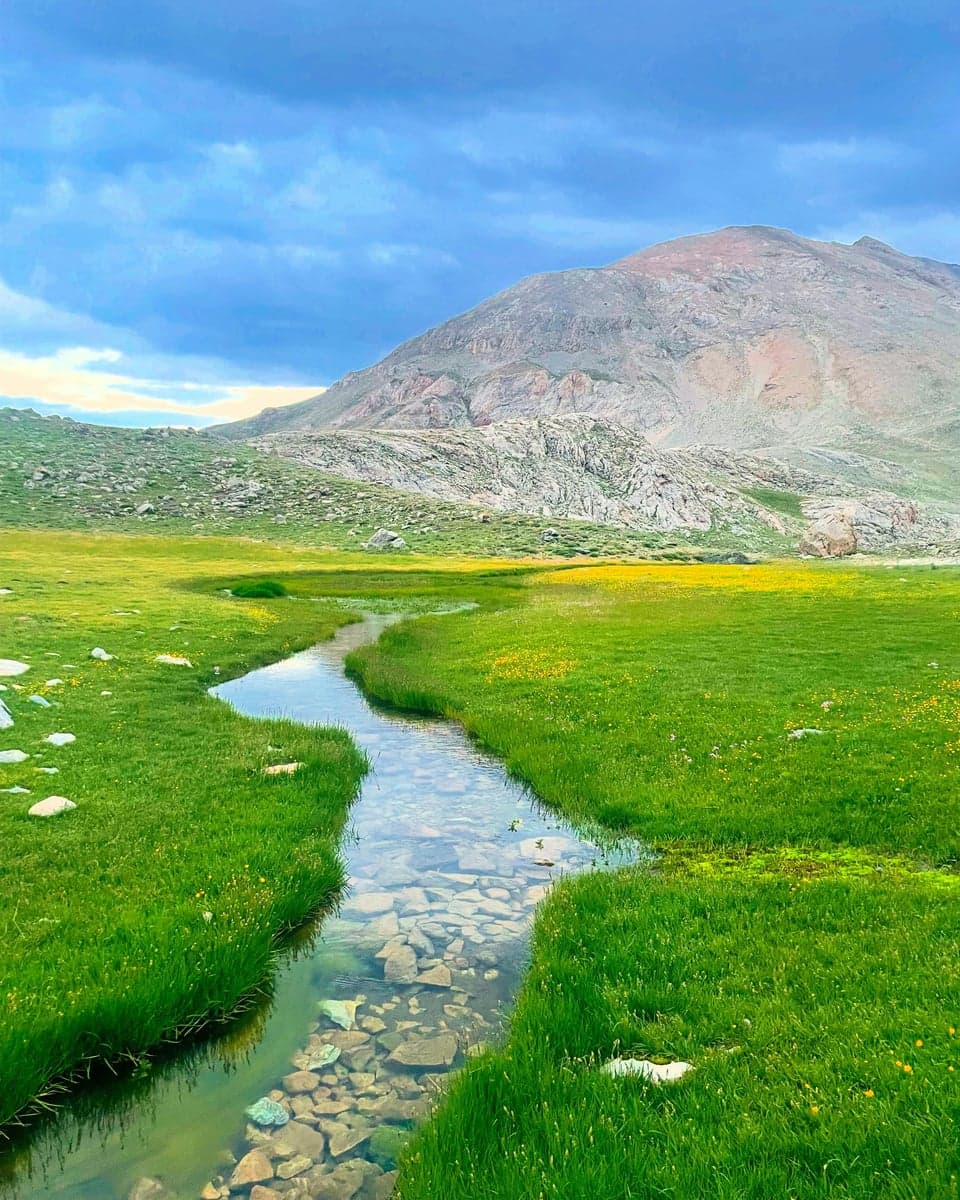
High-altitude meadow streams stay cold enough for trout through the hottest weeks of summer.
Checking Temperature Before You Go
You can check water temperature before you leave the house. RiverReports tracks real-time flow and temperature data for thousands of USGS gauge stations across the country. Pull up the current readings and recent trends for your target water. A river that was 62 degrees at 7 a.m. yesterday will likely be similar tomorrow if weather conditions hold.
A few things worth knowing when you read that data:
- Look at the daily range, not just one reading. A river that hits 70 at 3 p.m. but drops to 58 by 6 a.m. still has a fishable morning window.
- Watch the trend over days, not hours. Three days of 95-degree air temps will push water temperatures higher each day, even if overnight lows provide some relief.
- Compare to historical averages. A tailwater running 48 degrees in August is normal. A freestone running 48 in August is abnormally cold (and probably fishing great).
Set up flow alerts for your home waters so you know the moment conditions change. When your favorite freestone hits 68 degrees, that alert gives you time to find an alternative before you burn a day off on dead water.
Make the call before you leave
The thermometer is the most underrated tool in your vest. A $12 stream thermometer tells you more about whether you should fish than a $900 rod ever will.
Check the temperature. Know your species. Follow the restrictions. And when the numbers say stop, go find colder water. The trout will be there when things cool down.
Get River Intel Weekly
Flow updates and fishing intel delivered every Thursday.
River Intel Weekly
Weekly flow updates and fishing intel.
© 2026 RiverReports, Inc.