
Davidson River
Fishable
Flow35 CFS
Trendfalling
Clarityclear
Temp70°F
Fur Ant #16-18Jake's Gulp Beetle #14Chubby Chernobyl #14-16Parachute Adams #16-20
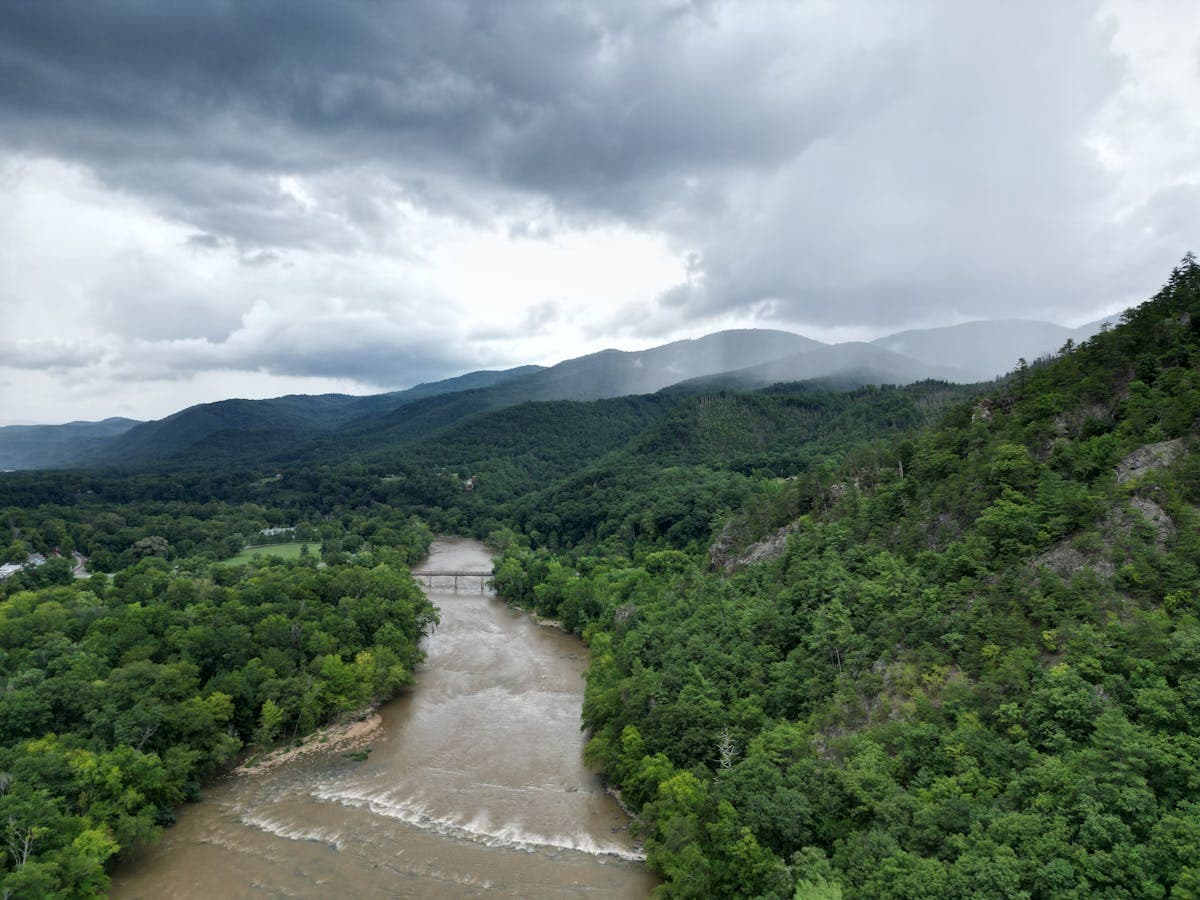
| What | When | Key Numbers |
|---|---|---|
| Davidson River (catch-and-release) | Year-round; best spring/fall | 100-200 CFS ideal; trophy trout 18-24" |
| French Broad smallmouth | April-October | 150-300 CFS (1.6-2.7 ft) ideal floating |
| Tuckasegee tailwater | Oct-May (stocked heavily) | 50-60 CFS ideal wading; ~215 CFS during generation |
| Delayed Harvest streams | Oct 1 - first Sat in June (catch-and-release) | Artificial flies only, single hook |
| Guided trips | Book 4-6 weeks ahead | Half-day $275-475; full-day $375-575 |
| Fly shop | Davidson River Outfitters | (828) 877-4181, Pisgah Forest |
Western North Carolina holds more quality trout water than anywhere else in the Southeast. Within an hour of Asheville, you can fish clear freestone streams in Pisgah National Forest, chase trophy browns on one of Trout Unlimited's "Top 100" streams, float for aggressive smallmouth bass, or hit dam-release tailwaters with some of the highest trout densities in the state.
The region offers genuine variety: the Davidson River's technical catch-and-release water for experienced anglers, beginner-friendly Delayed Harvest streams stocked with thousands of trout, and the French Broad River's overlooked warmwater fishery for smallmouth and musky. A 90-minute drive reaches the famed South Holston tailwater in Tennessee, consistently ranked among the best trout rivers in the country.
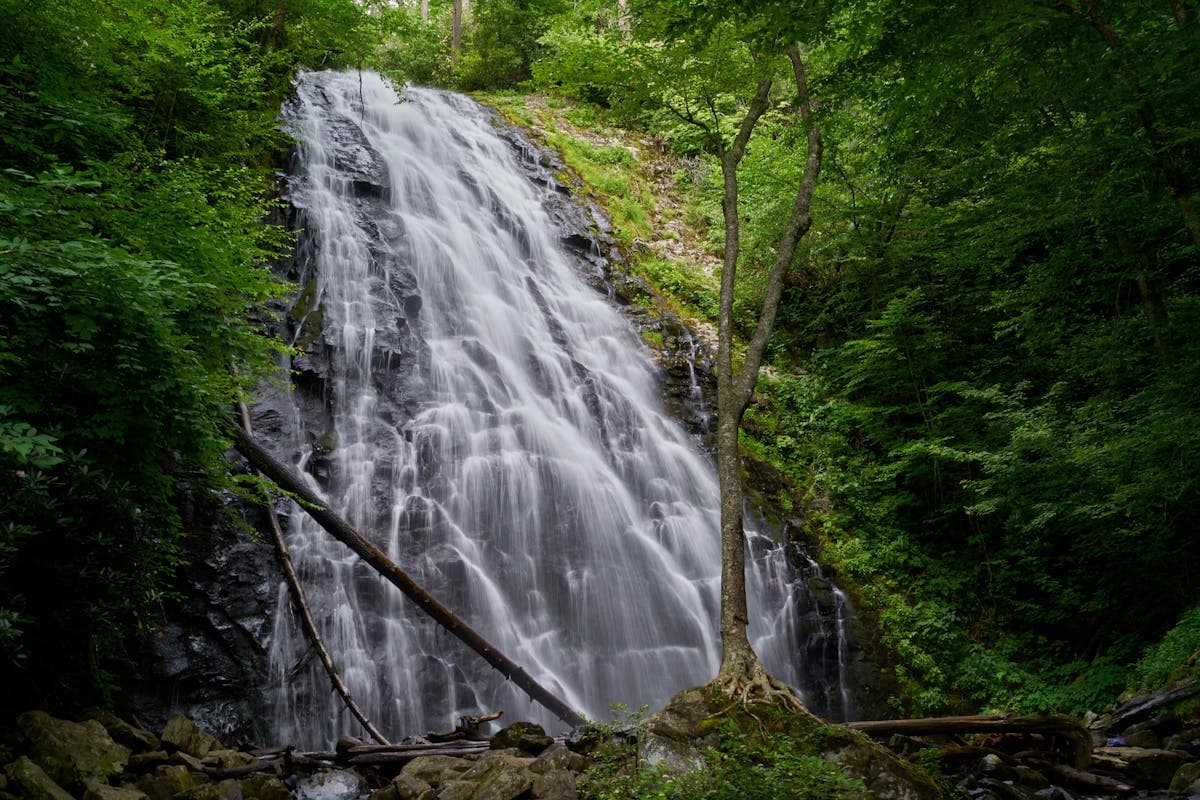
Western North Carolina's mountain streams offer clear water and spectacular scenery
Important: Hurricane Helene Recovery (2024-2025)
Hurricane Helene caused significant damage to western North Carolina in late 2024. Some access points, hatcheries, and stream sections remain affected. The Armstrong State Fish Hatchery lost approximately 600,000 fish, reducing stocking for the 2025 season. Many Delayed Harvest and Hatchery Supported waters are operational, but conditions vary. Check with local fly shops and the NC Wildlife Resources Commission for current access before planning your trip.
North Carolina uses three main trout water classifications. Understanding these is essential for fishing legally:
A North Carolina fishing license is required for anglers 16 and older. Non-resident licenses are available online through the NC Wildlife Resources Commission.
The Davidson is western North Carolina's signature trout stream. Trout Unlimited has named it one of America's "Top 100 Trout Streams," and it regularly produces fish over 20 inches. The river flows through Pisgah National Forest along Highway 276, about 30 minutes southwest of Asheville.
What sets it apart: Exceptionally clear water, wild and stocked trout, and the catch-and-release section downstream of the Pisgah Center for Wildlife Education holds genuinely large fish. The Davidson is a "midge factory." Year-round midge hatches make it fishable even in winter.
The challenge: These trout see more flies than almost any fish in the Southeast. Light tippet (6X-7X) and precise presentations are essential. This is one of the most heavily fished streams in the Southeast. Expect company, especially on weekends.
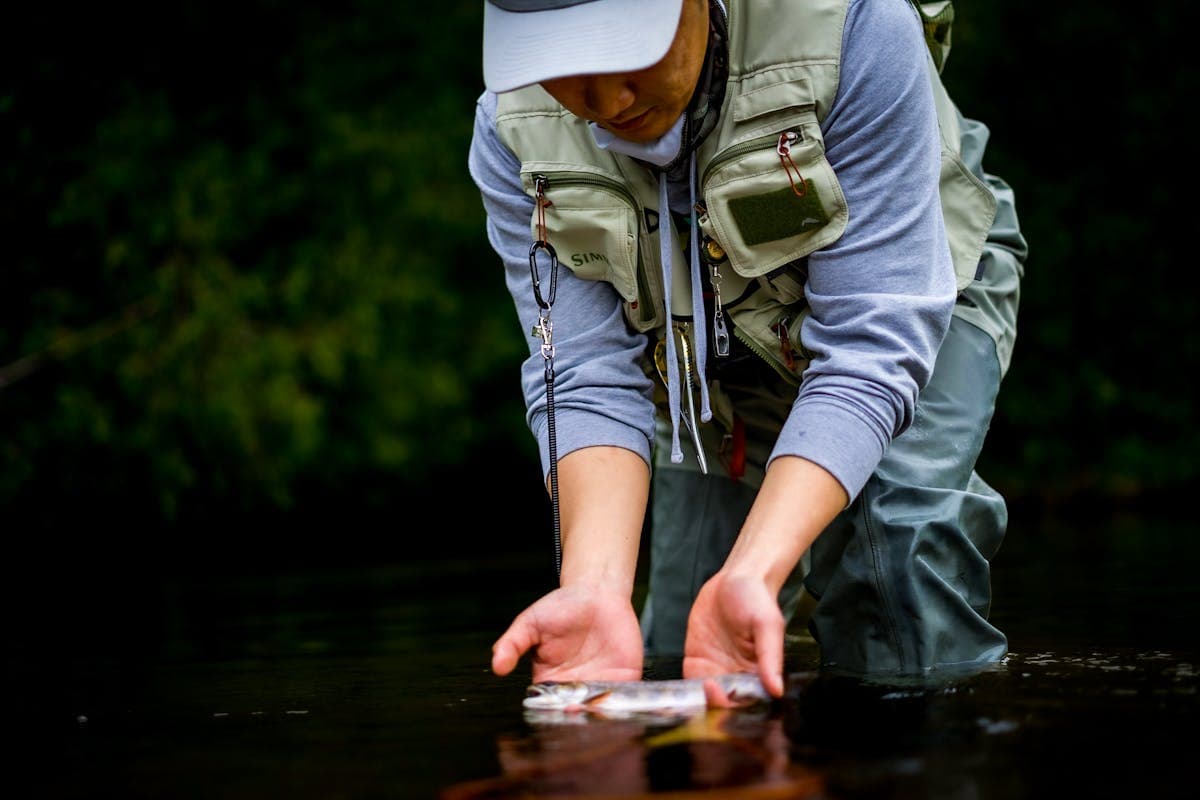
The Davidson's crystal-clear water demands precise presentations and light tippet
| Section | Regulations | Character |
|---|---|---|
| Headwaters to Avery Creek | Catch-and-Release, Flies Only | 14 miles of wild trout water; trophy browns and rainbows 18-24" |
| Avery Creek to Forest boundary | Hatchery Supported | Stocked monthly; easier fishing, more crowded |
| Hatchery stretch | Catch-and-Release | Most pressured water; fish are educated |
| Horse Cove | Wild Trout | Undercut banks, deadfall, streamer water |
Check current Davidson River conditions on RiverReports before driving.
| CFS | Conditions |
|---|---|
| Under 100 | Low water - slow, clear, very spooky fish |
| 100-200 | Ideal wading - accessible throughout, fish less pressured |
| 200-300 | Moderate current - experienced waders only in some areas |
| 300-600 | Higher flows - nymphing and streamers more effective; fish big flies |
| Over 600 | High and pushy - difficult fishing, unsafe wading in places |
After heavy rain, the Davidson clears faster than most regional streams due to its forested watershed. If flows are elevated, give it 24-48 hours to drop.
Upper river / gorge: Short rods, roll casts, high-stick nymphing. Target every pocket bigger than a fly box. Try Tennessee Wulff or Yellow Humpy dries with a Copper John dropper.
Hatchery stretch: Size down. Patterns in #18-28 and 6X-7X tippet. Keep a low profile, minimize false casts, and drift flies precisely through feeding lanes. Midges are always working.
Horse Cove: Streamer water. Fish undercut banks, downed timber, and foamy eddies with black Woolhead Sculpins or white Zonkers. Dead-drift white Woolly Buggers under an indicator when water is off-color.
Pro Tip: The Davidson gets crowded. On weekends, arrive before 6am to claim a good spot. Weekday mornings (before 8am) are your best bet for quality water without pressure. Winter is a locals' favorite. Gone are the tubers, the clogged parking, and the crowds. Consider hiking into the headwaters (Shuck Ridge Creek, Cove Creek) for genuine solitude.
Plenty of parking exists along Highway 276, including Coontree Campground, the National Forest Trailhead, and numerous pull-offs. The main hatchery parking lot is on the left about 2 miles up the road that splits off toward the hatchery. Look for the large lot across a small bridge. On peak weekends, arrive early or you'll be walking.
The French Broad is one of the oldest rivers in North America, flowing roughly 218 miles from its headwaters near Rosman through Asheville and into Tennessee. It's an overlooked fishery. Most anglers focus on trout streams while the French Broad offers excellent smallmouth bass fishing and a growing musky population.
What to expect: The French Broad isn't pristine water. It can run muddy for days after rain, and the stretch through Asheville shows urban impacts. But from the airport north through Madison County, the river holds exceptional smallmouth bass. Fish over 3 pounds are common, and the crayfish-rich habitat produces aggressive fish on streamers and topwater.
| Section | Species | Character |
|---|---|---|
| Rosman to Island Ford | Trout (browns, rainbows) | Clear, cold headwaters; wade fishing |
| Asheville area | Mixed (smallmouth, sunfish) | Urban influence; limited access |
| Airport to Hot Springs | Smallmouth bass, musky | Prime float fishing water; Class I-II |
| Section 9 (Barnard Park to Hot Springs) | Smallmouth, musky | Class II-III whitewater; scenic canyon |
Track French Broad conditions on RiverReports. The river is rain-fed and responds quickly to storms.
| Gauge Height (Rosman) | CFS | Conditions |
|---|---|---|
| 1.5-1.6 ft | 100-150 | Low - slower flows, shallow spots |
| 1.6-2.7 ft | 150-300 | Ideal floating - good current, accessible |
| 2.7-3.0 ft | 300-400 | Above average - stronger current, experienced floaters |
| Over 3.0 ft | 400+ | High water - advanced skills only; outfitters may close |
Water clarity matters: The French Broad gets muddy after storms and can take a week or more to clear. Low, clear conditions, when you can see the river bottom, are best for sight-fishing smallmouth.
The French Broad Paddle Trail connects over 140 miles of river with 40+ access points. Here are the most popular fishing floats:
| Float | Put-in | Take-out | Miles | Time | Notes |
|---|---|---|---|---|---|
| Biltmore Float | Bent Creek River Park (1592 Brevard Rd) | Hominy Creek Park (194 Hominy Creek Rd) | 7 mi | 2.5-4 hrs | Scenic; passes Biltmore Estate; Class I |
| Ledges Section | Ledges Whitewater Park (1080 Old Marshall Hwy) | Marshall | 12.5 mi | 4-6 hrs | Class II at put-in; quieter water below |
| Section 9 | Barnard Park (near Marshall) | Hot Springs | 9 mi | 3-5 hrs | Class II-III; best smallmouth and musky water |
Shuttles: You'll need two vehicles or a shuttle service. Asheville Outdoor Center and French Broad Outfitters offer shuttles. The Bent Creek to Hominy shuttle takes about 10 minutes each way.
Pro Tip: Low water (under 150 CFS) means slower floats and more rock-dodging, but clearer sight-fishing. Higher water (300+ CFS) moves faster but stirs up mud. The sweet spot is 200-300 CFS with 2+ days since the last rain.
Spring (March-April): Pre-spawn fish are aggressive but fewer. Target bigger fish in deeper pools. Expect 10+ fish over 16 inches on good days.
Summer (June-August): Numbers increase, sizes decrease. Look for fish in current, especially micro-eddies where crayfish wash through. Topwater action heats up when water temps rise above 70°F.
Fall (October-November): Excellent fishing as fish feed heavily before winter. Big streamers produce.
Flies: Clouser Minnows, crayfish patterns, and poppers cover most situations. A 7-weight rod handles the bigger flies and river winds.
The Nantahala (Cherokee for "land of the noonday sun") is a Trout Unlimited Top 100 stream about an hour west of Asheville. The river is divided into two distinct sections with very different character.
A freestone stream flowing through Nantahala National Forest with wild rainbows, browns, and brook trout. The Delayed Harvest section from White Oak Creek to the Duke Energy powerhouse fishes well from October through May.
Access: Forest Road 67 follows the stream for about 6 miles. Camping is available along the river. Watch for private property signs near Nantahala Lake.
Flows: Unaffected by dam releases. Check conditions on RiverReports.
The lower river below the powerhouse is dam-controlled and famous for whitewater rafting. When Duke Energy isn't generating power, it holds some of the highest trout densities in North Carolina. The current NC state record brown trout (24 lbs 10 oz) came from this section.
The catch: When generation is on, the water is fast and dangerous for wading. Early mornings, late evenings, and off-peak months offer the best windows.
Critical: Check the Duke Energy generation schedule before wading (look under "Nantahala Area"). Generation typically runs mid-morning to late afternoon from March through October. The schedule changes monthly, and Duke reserves the right to change it based on energy demand or weather.
Pro Tip: The best fishing windows on the lower Nantahala are before 9am and after 5pm during generation season. November through February sees minimal generation, giving you the best chance for all-day wading access.
The "Tuck" is the largest trout river in western North Carolina and part of the Western NC Fly Fishing Trail. After flowing through Panthertown Valley and a chain of lakes, it emerges as a tailwater: cold, productive, and accessible.
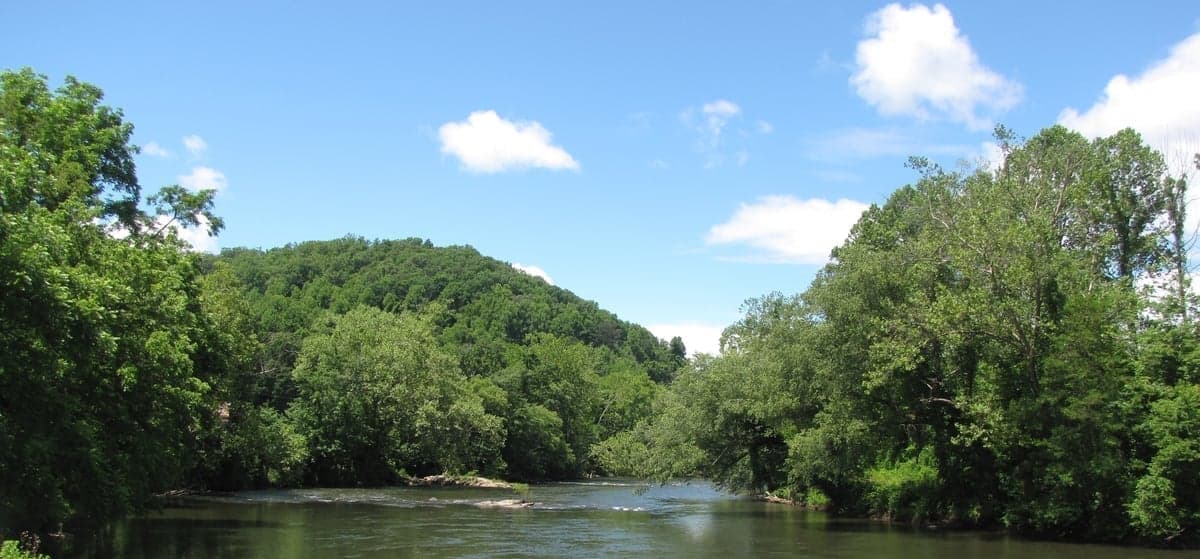
The Tuckasegee offers wide, wadeable water and heavy stockings during Delayed Harvest season
The most popular section runs 5.5 miles from the NC Highway 107 Bridge in Webster downstream to the old dam site in Dillsboro. From October through May, this water is stocked heavily and produces high catch rates under Delayed Harvest regulations.
Access: Multiple pull-offs along North River Road. The river is unusually wide, shallow, and wade-friendly for the region.
When to fish: October through May for best stocking. After the first Saturday in June, fish are harvested quickly or move to deeper water up- and downstream.
The Tuckasegee is dam-controlled, and understanding the flow dynamics is critical:
| Conditions | CFS | Wadeable? |
|---|---|---|
| Ideal wading | 50-60 | Yes - comfortable for all skill levels |
| West Fork release only | ~250 | Marginal - experienced waders in known spots |
| East Fork release | ~215 | Difficult - scout carefully, stick to edges |
| Both forks releasing | 400+ | No - float only, dangerous wading |
| No release (natural flow) | 15-70 | Best - safest wading, clearest water |
Check Duke Energy's generation schedule under the "Nantahala Area" tab. Look for flows arriving at Highway 107, which marks the start of the Delayed Harvest section. West Fork releases take about 6 hours to reach the Webster section.
Pro Tip: The Sylva/Dillsboro Delayed Harvest stretch is shallow enough to wade even during moderate releases. If you're new to the Tuck, start there. For the safest wading anywhere on the river, fish on no-release days, early mornings before generation starts, or check the schedule for off-days.
Hatches: Winter brings BWOs, midges, and black stoneflies. Spring and early summer see larger mayflies and yellow stoneflies. Caddis are the main event: black caddis in early spring, brown caddis from late spring into fall, green caddis in summer.
Two top-tier tailwaters sit about 90 minutes northeast of Asheville, just across the Tennessee line. If you're serious about trout fishing, they're worth the drive.
The "SoHo" holds 7,000-10,000 trout per mile according to Tennessee Wildlife Resources Agency surveys, among the highest densities in the eastern U.S. Unlike most tailwaters, all brown trout here are wild, naturally reproducing fish.
What to expect: Technical fishing. Small flies (#16-22), long leaders, and 6X tippet. The sulfur hatch from spring through summer is legendary. Multiple sulfur subspecies hatch from May through August.
Regulations: Slot limit protects fish 16-22 inches on both browns and rainbows. Two sections close November through January for brown trout spawning.
Lodging: South Holston River Lodge (2025 Orvis Endorsed Lodge of the Year) and Tailwaters Lodge offer all-inclusive fly fishing packages with private water access.
The South Holston's sister tailwater, 30 minutes away. Similar trout densities, excellent hatches, and less fishing pressure. Five miles of Trophy Trout Water (boat access only) hold trophy-class fish.
Beyond the major rivers, Pisgah National Forest and surrounding public lands hold dozens of small wild trout streams. These are typically designated "Wild Trout Waters" with no closed season and no stocking.
What to expect: Smaller fish (6-14 inches), beautiful water, and genuine solitude. Most streams require hiking and tight-quarters casting. A 3-4 weight rod and short leader work best.
| Stream | Access | Character |
|---|---|---|
| Looking Glass Creek | Hwy 276 near Looking Glass Falls | Crystal clear; fish 11-14"; spawning blocked by falls |
| South Mills River | Forest Road 476 (fire road runs full length) | TU Top 100; 15 miles; native browns and rainbows |
| Courthouse Creek | Blue Ridge Parkway / Devils Courthouse | French Broad headwaters; small fish but productive |
| Avery's Creek | Davidson River tributary | Large fish move up during winter high water |
Pro Tip: Wild trout streams are where you escape the Davidson crowds. Most anglers don't want to hike, so a 20-minute walk opens up water that rarely sees flies. The South Mills River fire road provides 15 miles of access with very light pressure.
Spring hatches bring diversity: BWOs, Hendricksons, March Browns, Quill Gordons, and early caddis. Water temps rise, fish become more active, but spring rains can blow out streams for days.
Hatch timing: BWOs start in late February on mild days. Hendricksons and Quill Gordons typically peak mid-April. Black caddis arrive late April.
Best bets: Davidson River (when clear), Delayed Harvest streams, Tuckasegee
Terrestrials take over: hoppers, beetles, ants, crickets. Freestone streams warm in the afternoon; fish early (before 9am) and late (after 6pm). Delayed Harvest waters thin out as fish are harvested after the first Saturday in June.
Best bets: Wild trout streams at elevation, French Broad smallmouth, Nantahala tailwater (check generation), Tennessee tailwaters
Prime season. Cooling temps, fall caddis and BWO hatches, brown trout becoming aggressive before spawn. Delayed Harvest season reopens October 1 with fresh stockings.
Best bets: Davidson River, Tuckasegee, Nantahala, French Broad smallmouth
Midges and BWOs hatch on mild days (50°F+). Fish are sluggish but still feeding. The Davidson's year-round midge activity makes it the go-to winter fishery. Crowds disappear.
Best bets: Davidson River, tailwaters (South Holston, Watauga)
| Insect | Size | Patterns | Notes |
|---|---|---|---|
| Midges | 18-26 | Griffith's Gnat, Zebra Midge, WD-40 | Davidson specialty; fish clusters in film |
| Insect | Size | Patterns | Peak |
|---|---|---|---|
| Blue-Winged Olives | 18-22 | Parachute BWO, RS-2, Barr Emerger | Late Feb - April; cloudy days |
| Hendricksons | 14-16 | Hendrickson Dry, Pheasant Tail | Mid-April |
| March Browns | 12-14 | March Brown, Hare's Ear | April |
| Quill Gordons | 14-16 | Quill Gordon, Sparkle Dun | Mid-April |
| Dark Stoneflies | 14-16 | Black Stone, Stimulator | March - April |
| Black Caddis | 16-18 | Elk Hair Caddis (black), Peeking Caddis | Late April - May |
| Insect | Size | Patterns | Peak |
|---|---|---|---|
| Golden Stoneflies | 8-12 | Stimulator, Kevin's Stonefly | June |
| Yellow Sallies | 14-16 | Yellow Sally, Yellow Humpy | June - July |
| Caddis (brown/green) | 14-18 | Elk Hair Caddis, X-Caddis | June - September |
| Terrestrials | 10-16 | Dave's Hopper, Disco Beetle, Chubby Chernobyl | July - September |
| Sulfurs (SoHo) | 16-18 | Sulfur Dun, Sulfur Emerger | May - August |
| Insect | Size | Patterns | Peak |
|---|---|---|---|
| October Caddis | 8-10 | Orange Stimulator, October Caddis | October |
| BWOs | 18-22 | Parachute BWO, Comparadun | September - November |
| Isonychia | 10-14 | Iso Dun, Purple Haze | September - October |
Dries:
Nymphs:
Streamers:
Smallmouth:
Several outfitters offer guided trips throughout western North Carolina:
Asheville Fly Fishing Company - (828) 779-9008
Pisgah Outdoors - (828) 577-3277
Davidson River Outfitters - (828) 877-4181
Headwaters Outfitters - (828) 877-3106
Tuckaseegee Fly Shop - (828) 349-3099
Appalachian streams rise quickly after rain. What was wadeable in the morning can become dangerous by afternoon. Always check flows before driving, and if a stream looks unfamiliar or pushy, don't wade in.
These streams have notoriously slick, moss-covered rocks. Felt-soled or studded wading boots significantly improve traction. A wading staff is worth carrying, especially on the Davidson. Take your time. A broken rod is better than a broken ankle.
The Tuckasegee and lower Nantahala are dam-controlled. When Duke Energy releases water for power generation, flows increase dramatically, sometimes within minutes. Check generation schedules before wading these rivers, and know your escape routes. If you hear a siren or horn, get to the bank immediately.
Trout become stressed when water temps exceed 65°F and face mortality risk above 68°F. Carry a stream thermometer. During hot weather, fish early morning (before 9am) or switch to smallmouth water. The French Broad's warmwater species thrive when trout streams get too warm.
Many streams experienced significant debris accumulation and bank erosion from Hurricane Helene. Some access points remain closed or damaged. Stream channels have shifted in places. Contact local outfitters for current conditions before planning backcountry trips.
Track real-time flow data for western North Carolina rivers on RiverReports:
Set flow alerts to catch falling water after storms, the sweet spot when fish are feeding but flows are manageable. Compare current levels to seasonal averages to understand whether conditions are typical.
For Great Smoky Mountains National Park fishing (brook trout, regulations, backcountry access), see our Great Smoky Mountains guide.
Weekly flow updates and fishing intel.
© 2026 RiverReports, Inc.