The Green has settled into a solid late-August groove and conditions have improved to good — the double-peak release schedule remains in effect but anglers have dialed in the flow windows. Flows fluctuate between 1,400-2,800 CFS daily, with peaks around 6:45-9:45 AM and 4:00-9:00 PM at the dam and low-flow windows of 1,300-1,700 CFS between peaks. Water temps are holding 59-61°F with crystal-clear clarity on Section A. Guides are reporting good days for anglers who time the flow windows correctly. The Trico hatch and small Baetis (#20-24) overlap in the morning around 10 AM on Sections A and B — fish are selective but rising consistently. Terrestrials are at peak effectiveness: hoppers, ants, beetles, and crickets along grassy cutbanks are the most reliable producers as air temps push toward the upper 90s. Parachute Crickets (#12-16) and Flying Ants (#14-18) have joined the standard hopper/ant rotation and are producing well. Caddis hatches fire in the evening riffles after the second flow peak subsides. Nymphing with Perdigons (#14-20), scuds (#16-20), and Zebra Midges (#16-22) is productive during flow transitions when fish reposition to new feeding lanes. Section C browns remain active on streamers — Dungeons and sculpin patterns stripped along undercut banks during the evening low-flow window are the play. Wade fishing on Section A is comfortable during off-peak flows (1,300-1,700 CFS) but marginal to unsafe during peak releases. Get your fishing in during the lull for the most consistent action.
🎣 TACTICS RIGHT NOW
Dry Fly
Trico Spinner #20-24CDC Trico #20-24Comparadun BWO #20-24Bionic Hopper #12 (tan/purple)Bionic Ant 2.0 #16 (black) / #12 (brown)Parachute Cricket #12-16 (black)MFC Cricket #8-10 (black)Flying Ant #14-18 (black)CDC Ant #12-14 (black)Beetle patterns #14-18Corn-fed Caddis CDC Tan #20Elk Hair Caddis #14-18Chubby Chernobyl #10-16 — dry fly fishing is best during the low-flow windows between double-peak releases; Tricos and small Baetis (#20-24) overlap around 10 AM and fish are rising consistently but selectively — 6X-7X tippet and precise dead drifts remain mandatory; terrestrials are at peak effectiveness right now as air temps push toward the upper 90s — hoppersantsbeetlesand crickets tight to grassy cutbanks are the most reliable producers; Parachute Crickets (#12-16) and Flying Ants (#14-18) are hot additions to the terrestrial rotation; cloudy days favor Tricos while sunny days favor terrestrials; caddis produce a prolific evening hatch in the riffles; dry-dropper rigs with a Chubby Chernobyl and Trico or Zebra Midge dropper remain effective
Nymph
Perdigon #14-20Egan's Frenchie #14-18Pheasant Tail Tungsten #20Zebra Midge #16-22 (black)RS2 #22-24Scud #16-20 (olive/grey/tan)Gold Bead Hare's Ear #20-24Tailwater Sowbug #14-16 (rainbow/tan)San Juan Worm #10-14 (red/brown) — nymphing is most productive during flow transitions when double-peak releases are rising or falling and fish reposition to new feeding lanes; Perdigons have been a standout producer in the riffles this weekfished Euro-nymph style or under an indicator; scuds and sowbugs in the moss beds remain a constant food source; 12-14 ft leaders with 5X-6X fluoro tippet; time nymph sessions to the off-peak windows (roughly 9:45 AM-4 PM) when flows drop to 1300-1700 CFS and wading is comfortable; double-nymph rigs with a Frenchie lead and Zebra Midge dropper continue producing in the riffles; vary your patterns if fish are refusing — just because Tricos are most abundant doesn't mean trout aren't keyed on something else
Streamer
Dungeon #4-8 (ginger/natural)Coffey's Sparkle Minnow Sculpin #6Articulated Goldie #4-6Galloup's Peanut Envy #4-6 (white/ginger)Woolly Bugger #6-10 (olive/black)Circus Peanut #4-6 — streamers are producing well during flow transitions on Sections B and C; the double-peak schedule actually helps streamer fishing as rising water triggers predatory responses; Dungeons and sculpin patterns are the top producers right now; slow-strip articulated patterns along undercut banks during the evening low-flow window; Section C trophy browns are active and keyed on baitfish in the slower off-peak flows; windy and cloudy conditions improve streamer fishing as choppy surface reduces fish wariness; evening low-flow windows (after the second peak subsides) are the prime streamer window
The double-peak release schedule still dictates your day. Off-peak low flows (1,300-1,700 CFS) run roughly 9:45 AM-4 PM — this is the best window for wading Section A and dry fly fishing. Morning (9:45-11 AM): Tricos and small Baetis once flows drop from the first peak — fish are rising consistently and this is some of the best technical dry fly fishing of the day. Midday (11 AM-3 PM): peak terrestrial window as air temps climb toward the upper 90s — hoppers, ants, crickets, and beetles tight to grassy cutbanks are the most reliable action right now. Best overall fishing window is 9 AM-3 PM per guide reports. Late afternoon/evening: flows rise again around 4 PM — switch to nymphs and streamers as fish reposition; caddis hatch fires in the evening riffles on lower flows. Conditions have improved from earlier in August as anglers have adapted to the flow schedule — timing your approach to the windows makes the difference between a good day and a frustrating one.
FORECASTThe double-peak release schedule should wind down in the coming weeks as the Bureau of Reclamation transitions toward more stable fall baseflows in September. As flows stabilize toward 800-1,200 CFS, expect fishing quality to jump — the fluctuating releases have been the main variable through August. Tricos will remain a morning fixture into September. Terrestrials (hoppers, ants, beetles, crickets) will stay the dominant midday pattern as long as air temps stay warm, likely through mid-September. The fall BWO hatch will begin building in September, especially on overcast afternoons — this is one of the river's best dry fly events and worth planning around. Water temps should ease back into the 55-58°F range as releases stabilize and air temps cool. Once flows settle to stable baseflows in early fall, Section A wade fishing enters its prime window with concentrated fish and excellent sight-fishing conditions. October is widely considered the best month on the Green — book guided floats now if you haven't already, as fall calendars fill fast.
Before You Go
The Green River below Flaming Gorge Dam is one of those rare fisheries where the numbers actually undersell the experience. Utah's Division of Wildlife Resources electrofishing surveys have documented 8,000 to 14,000 trout per mile in the upper reaches below the dam (with peak survey years recording even higher numbers), and the broader river averages 6,000 to 8,000 fish per mile. For context, most "good" trout streams in the West hold 1,000 to 3,000.
The water runs emerald-green and cold year-round (40 to 60 degrees F), pumped from the bottom of Flaming Gorge Reservoir. That consistent temperature means consistent hatches, and consistent hatches mean rising trout almost every month of the year.
It is also remote. Dutch John, Utah sits at the end of a long drive through the Uinta Mountains, 3.5 to 4 hours from Salt Lake City. That remoteness keeps crowds manageable outside of peak summer weekends.
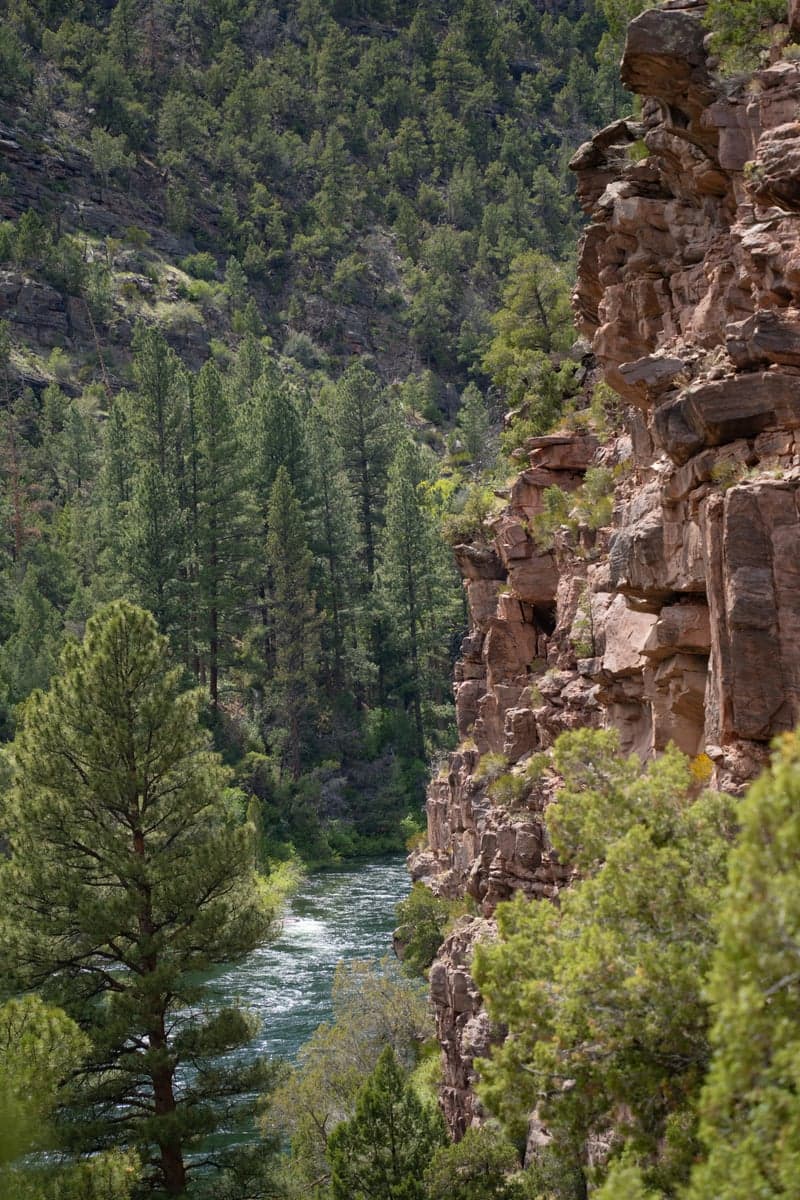
Red-brown cliffs and ponderosa pines line the Green River below Flaming Gorge Dam, with the emerald tailwater running clear over boulders
Three Sections, Three Personalities
The fishable river below the dam spans about 27 miles to the Colorado state line, broken into three distinct sections. Understanding each one is the key to planning your trip.
Section A: Dam to Little Hole (7 miles)
This is the technical water and the wade-fishing showcase. High-gradient riffles, pocket water, and boulders create thousands of feeding lanes packed with trout. Spinner Fall Guide Service, one of the original Green River permit holders since 1986, calls it the most heavily fished stretch, but for good reason: this is where those eye-popping fish-per-mile numbers come from.
A maintained trail runs the full 7 miles from the dam to Little Hole, making Section A the best wade-fishing water on the river. You can park at either end and hike to your spot. Famous holding water includes Lunch Counter, Secret Riffle, and Black Lagoon, names you will hear at every fly shop in Dutch John.
The trout here are well-educated. Expect to downsize your tippet (6X or 7X fluorocarbon) and nail your dead drifts. Orvis fishing reports consistently note that sight fishing is the norm in this crystal-clear water, with visibility often exceeding 10 feet.
Floaters share Section A with anglers. The 7-mile stretch takes 3 to 4 hours by raft or drift boat and features several Class II rapids, including Mother-in-Law Rapid (Class II+). OARS runs day trips through Section A that are family-friendly enough for kids as young as 4.
Section B: Little Hole to Indian Crossing (8 miles)
Section B transitions from canyon water into the open valley of Browns Park. The upper half fishes similarly to Section A, with fast riffles and pocketwater. As the canyon opens up, you will find long, slow pools with grassy banks that are tailor-made for dry fly fishing.
This is the section where most guided float trips run. The mix of water types means you can nymph the riffles in the morning and switch to dries on the flats in the afternoon. Fish density drops from Section A's peak numbers, but Western Rivers Flyfisher notes that the average size increases as you move downstream. Expect fewer fish per cast but better odds at a quality brown or rainbow.
One note for paddlers: Red Creek Rapid, roughly midway through Section B, is the biggest whitewater on the Green below Flaming Gorge. It rates Class III and deserves a scout from the bank if you are running your own boat. The left side is a rock garden and the right side carries the main Class III channel; choose your line based on current flow levels. The float takes 4 to 5 hours total.
Camping is available at designated sites along Section B, making overnight float-and-fish trips possible.
Section C: Indian Crossing to the Colorado Border (12 miles)
Section C is the trophy water. The river slows through open prairie, creating long, lazy runs where big browns patrol the banks. Fish counts are lower here than Sections A or B, but the average size jumps considerably. Browns of 25 to 30 inches are a real possibility, especially on streamer patterns.
Access is limited and the float is long, typically 5 to 6 hours. Most anglers commit a full day to Section C and hire a guide with a drift boat. The section flows through the open Browns Park area (the Browns Park National Wildlife Refuge itself begins across the Colorado state line), and the wildlife viewing along this stretch is excellent. Both designated and dispersed camping are permitted.
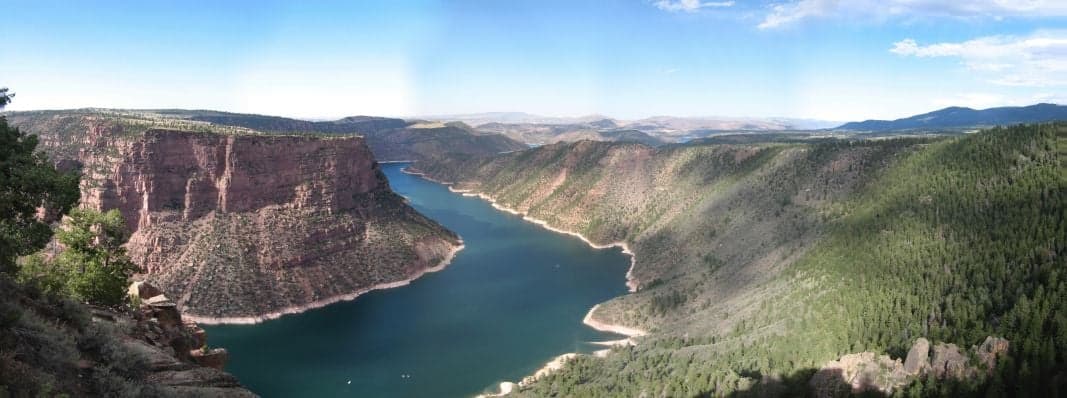
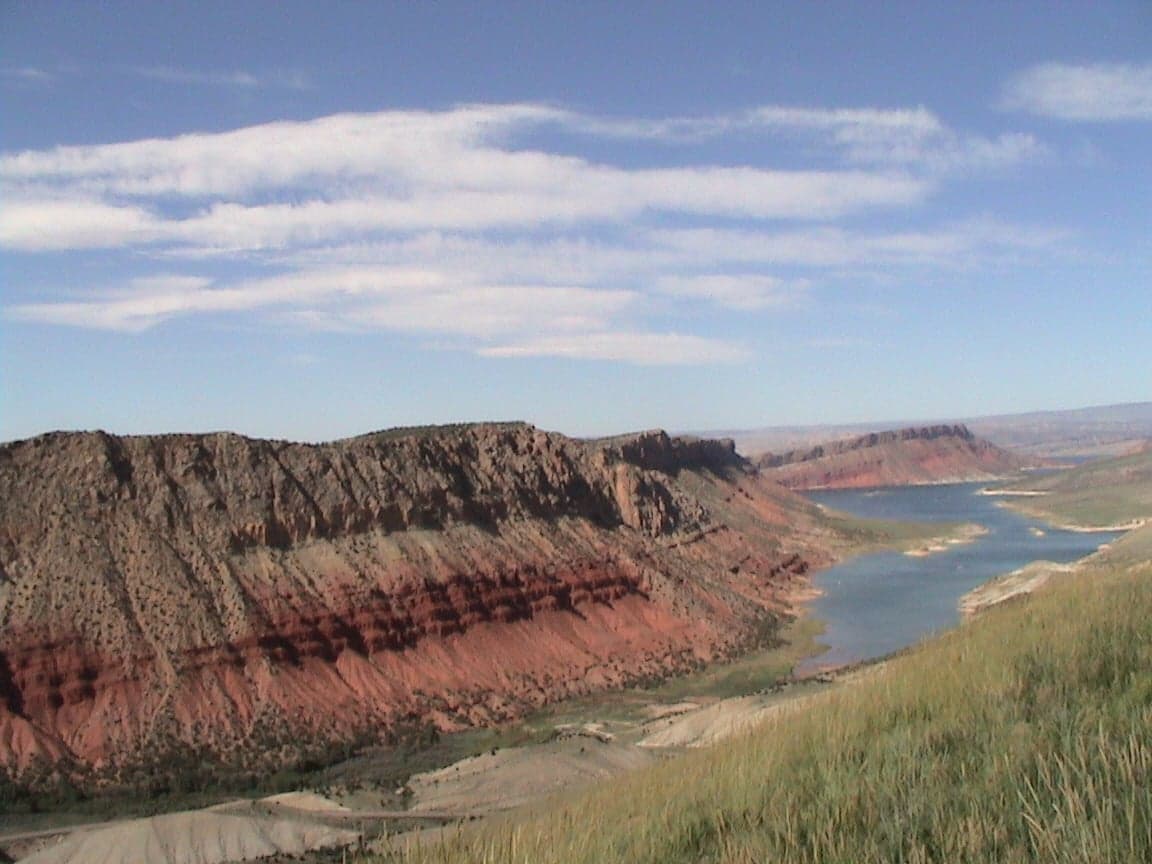
Flaming Gorge from the rim: red rock walls drop into emerald water, with pine-covered slopes stretching toward the Uinta Mountains
Flow Windows
Flaming Gorge Dam controls the river, and flows can change significantly from season to season. The Bureau of Reclamation manages releases for water storage, endangered fish species downstream, and power generation.
Flow (CFS)
What It Means
800-1,200
Low/winter flows. Fish concentrated, excellent wading, sight fishing at its best
1,200-2,000
Normal range. Good wading in Section A, ideal floating on B and C
2,000-2,500
High but fishable. Wading limited to shallow margins, floating productive
2,500-4,000+
Summer peak releases. Float-only, fish pushed to banks, streamers dominate
Summer flows vary widely with dam releases, typically ranging from 800 to 2,200 CFS, with peaks above 4,000 CFS possible in June. By fall, flows often settle to 800 to 1,200 CFS. Lower flows concentrate fish and make wading easier, but they also make the trout more skittish.
How Fish Reposition at Different Flows
Understanding where trout hold at different CFS levels is one of the biggest advantages you can have on the Green:
At 800-1,000 CFS (low/winter): Fish stack up in deeper slots, behind boulders, and in the tails of pools where current funnels food. Look for the obvious seams. Wading access is excellent, but approach carefully because fish are concentrated and spooky in the shallower water.
At 1,000-1,500 CFS (normal): Fish spread out from their low-water holding lies into moderate-depth runs and riffle edges. This is the most forgiving flow range for finding fish because they occupy a wider variety of water.
At 1,500-2,500 CFS (elevated): Fish move off the main current into softer water along banks, behind structure, and in inside bends. Wade anglers should focus on the margins rather than trying to reach mid-river. Float anglers, cast tight to the banks.
Above 2,500 CFS (high): Trout push to the extreme edges, side channels, and any slack water they can find. This is streamer territory. Wading is difficult to dangerous on most of Section A.
Before any trip, check current Utah flows on RiverReports to see real-time conditions. Flow changes of even 200 to 300 CFS can transform the fishing. Rising water tends to trigger feeding activity, while sudden drops can shut fish down for hours.
One important detail: the dam releases cold, deep water from the reservoir. Water temperature stays remarkably stable regardless of air temperature. You can fish comfortably through July heat (air temps in the 90s) because the water stays in the low 50s.
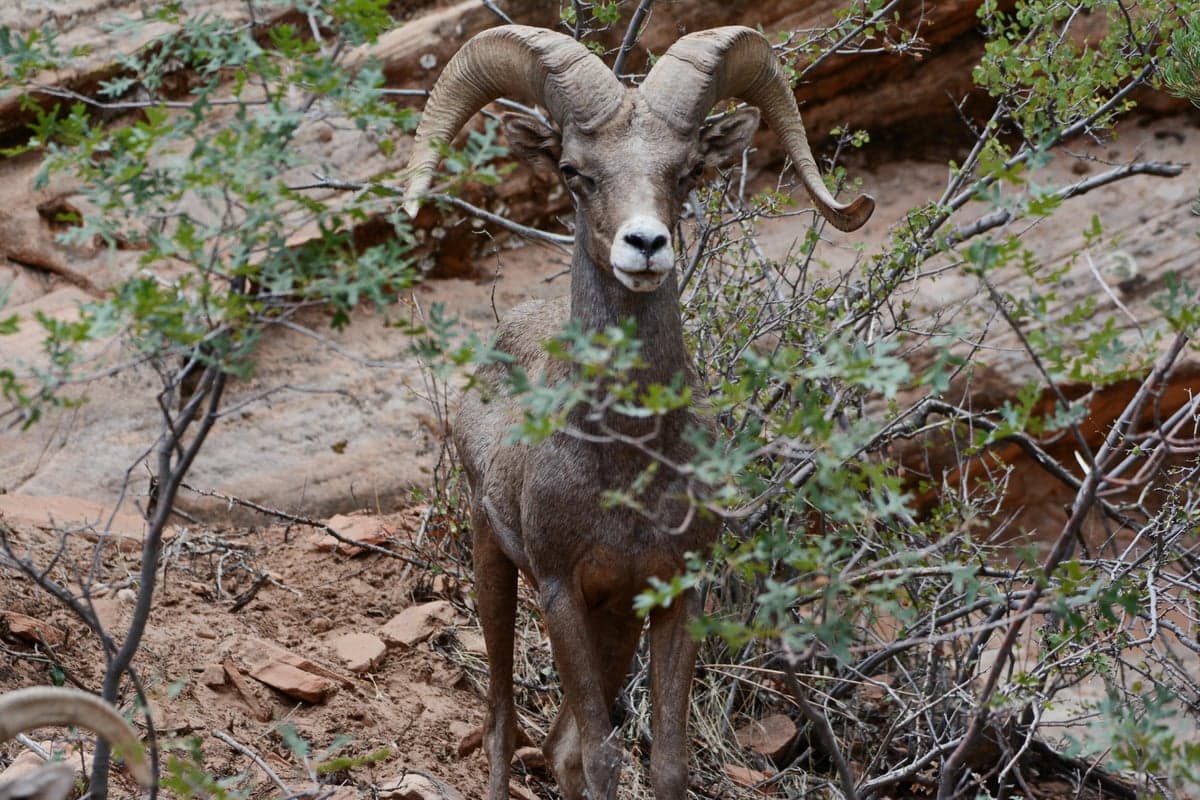
Desert bighorn sheep pick through rocky terrain near the Green River corridor, one of several wildlife species you will spot from the trail or drift boat
Seasonal Hatch Calendar
The Green River's consistent water temps produce reliable hatches year-round. Here is what to expect.
Winter (December through February)
Midges dominate. Size 18 to 22 Griffith's Gnats and zebra midges are your go-to patterns. Flows are typically low (around 850 CFS), and you will have the river mostly to yourself. Articulated leeches and streamers can produce big browns during cold months, particularly in Section C.
Fish concentrate in deeper runs and slower water. Sight-nymphing with scuds and sowbugs is effective on sunny afternoons when fish move into the warming shallows.
Spring (March through May)
The star of the show: the Blue-Winged Olive hatch, which peaks in April during overcast days. Size 18 to 20 BWO dries and RS2 emergers are essential. This is widely considered the best dry fly fishing of the year on the Green.
Flows remain stable around 1,000 to 1,200 CFS through most of spring, keeping wading conditions comfortable across Section A.
Summer (June through August)
The river gets busy with hatches. Pale Morning Duns (June through August), caddis (June), and Yellow Sally stoneflies (June) all compete for attention. Cicadas show up in May and June, triggering explosive surface strikes, a phenomenon that Spinner Fall guides consider one of the river's most exciting events.
Summer also brings the most recreational traffic, with rafters sharing Section A. Early morning and late evening are your best windows for solitude.
Fall (September through November)
Tricos in the morning (especially on Sections B and C), followed by afternoon BWOs. Hopper-dropper rigs work well into October. Fewer crowds, cooler air, and fish feeding aggressively before winter make fall a favorite among regulars.
Many local guides consider October the single best month to fish the Green.
Wind and Weather
Wind is a factor on the Green that trips up first-time visitors. The canyon sections (A and upper B) offer some protection, but once the river opens into Browns Park on lower B and all of C, afternoon gusts of 15 to 25 mph are common from late spring through early fall. These typically build between noon and 2pm and can persist until evening.
What this means for your fishing:
Morning is prime time. Calm conditions before noon give you the best dry fly windows, especially on the open sections.
Adjust your fly choice. When wind picks up, switch from small dries (#20-22 midges) to larger, bushier patterns like hoppers or stimulators that you can control in the gusts. Wind actually helps hopper fishing because naturals get blown onto the water.
Section A handles wind best. The canyon walls block most wind, making it the go-to option when afternoon forecasts look rough.
Streamers love wind. Choppy surface water reduces fish wariness, and the wind-driven chop provides cover for stripping streamers through Section C's open water.
Dress in layers. Even in summer, canyon shade plus wind off cold tailwater can drop the perceived temperature 20 degrees from what you felt in the parking lot.
Thunderstorms roll through in July and August. They rarely affect the tailwater itself (the dam buffers weather), but lightning in the canyon is serious. Get off the water if storms approach.
Flaming Gorge Reservoir, the source of the cold, clear water that sustains the tailwater fishery below the dam
Flies That Work
The Essentials
Pattern
Sizes
When
BWO Parachute / Sparkle Dun
#18-22
March-May, Sept-Nov; overcast days
Griffith's Gnat
#18-22
Year-round midge clusters
Zebra Midge
#18-24
Year-round, morning and afternoon hatches
RS2
#20-24
Year-round emerger; works as nymph or dry
PMD Dun
#16-18
June-August
Pale Morning Dun Emerger
#16-18
June-August
Elk Hair Caddis
#14-18
June-July
Yellow Sally
#14-16
June, especially B and C sections
Cicada Pattern
#8-10
May-June (when available)
Pat's Rubber Legs
#8-10
Year-round as a searching pattern
San Juan Worm
#10-14
High-water days, year-round
Woolly Bugger
#6-10
Year-round streamer, olive and black
A Few Notes on Fly Selection
Midges are the bread and butter here, just like on the San Juan River. But the Green offers more diverse hatches, so you will cycle through patterns more often than on a pure midge fishery.
Cicada years are special. When they show up in May and June, even large browns that normally ignore dry flies will crush a foam cicada pattern on the surface. Ask at the fly shops whether it is a cicada year before you go.
For Section C trophy hunting, streamer patterns are king. Local guides fish articulated patterns and sculpin imitations with slow strips and long pauses, targeting the big browns that patrol the undercut banks.
Wade Fishing vs. Float Fishing
Both approaches work on the Green, but they suit different sections and goals.
Wade fishing is best on Section A, where the maintained trail provides walk-in access to 7 miles of water. You can park at the dam or at Little Hole and work upstream or downstream. The pocket water rewards precise casting and careful wading. Felt-soled boots are a must on the slippery rocks.
Float fishing is the primary method for Sections B and C. A drift boat lets you cover miles of water, stop to wade promising runs, and access stretches that are unreachable on foot. Most guide services out of Dutch John, including Trout Creek Flies and Spinner Fall Guide Service, run drift boat trips on the B and C sections.
If it is your first trip, a guided float on Section B is the smart move. You will get the full range of water types, the guide knows which runs are fishing well, and you can gauge the river's personality before committing to a DIY wading trip on Section A.
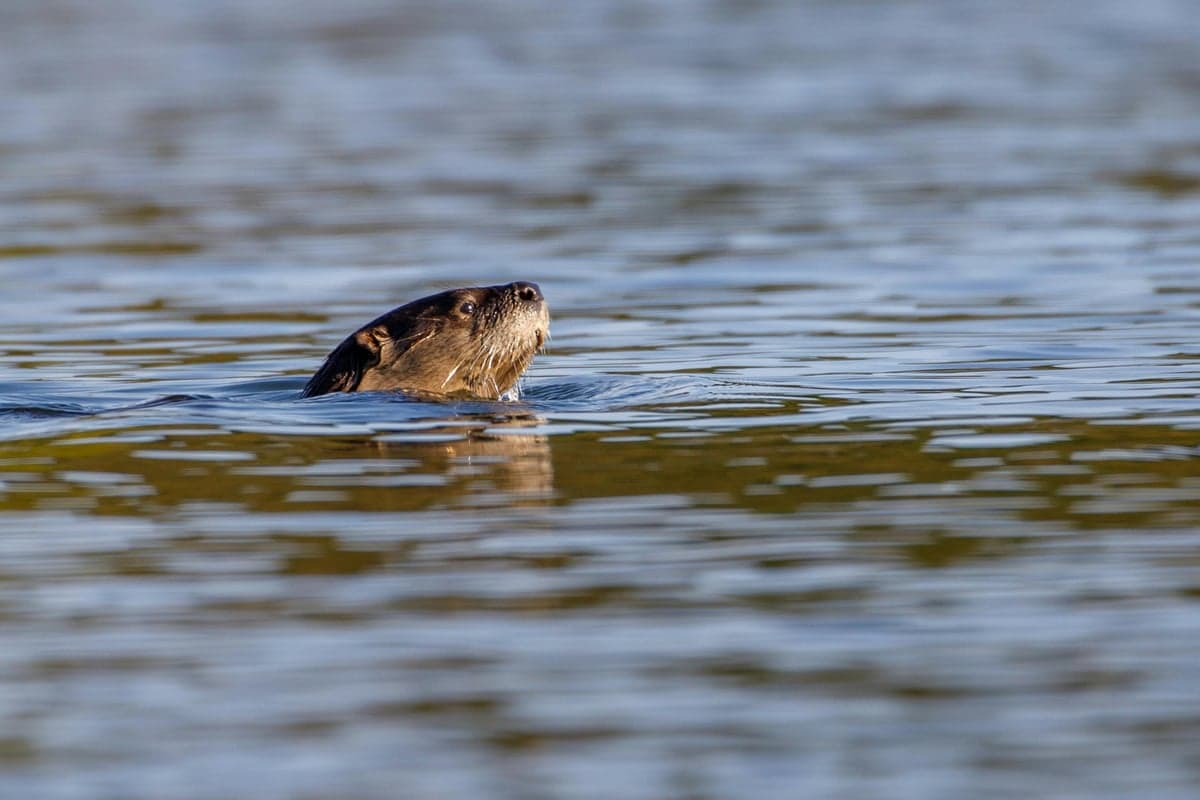
River otters thrive in this stretch of tailwater, and spotting one from your drift boat is a regular bonus on float days
Access and Logistics
Getting There
Dutch John sits in the far northeast corner of Utah, at the base of the Uinta Mountains. From Salt Lake City, it is 3.5 to 4 hours via I-80 east into Wyoming, then south through Manila on Highways 414 and 44 to US-191. The nearest town with full services is Vernal, about 45 miles south on US-191. Stock up on groceries and gas there before heading into Dutch John.
The drive itself is worth the trip. US-191 cuts through the Flaming Gorge National Recreation Area, with views of red rock canyons and the reservoir that rival anything in southern Utah.
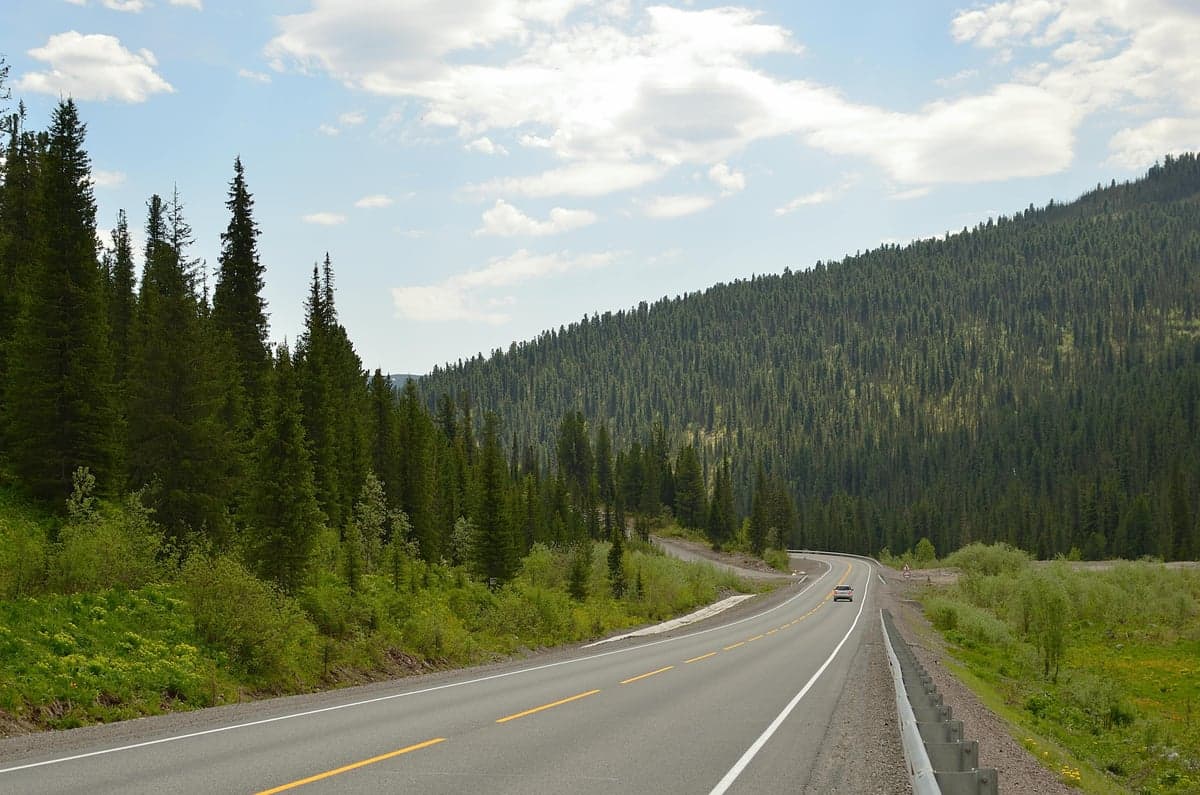
The drive to Dutch John climbs through conifer forests and mountain passes in the Uinta range before dropping into Flaming Gorge
Put-In and Take-Out Points
Location
Access
Notes
Flaming Gorge Dam
1.4 miles on FR 219 from US-191
Section A put-in
Little Hole
4.8 miles west on Little Hole Road from Dutch John
Section A take-out / Section B put-in
Indian Crossing
20.5 miles east on Browns Park Road from US-191
Section B take-out / Section C put-in
Swallow Canyon
25.3 miles east on Browns Park Road
Section C take-out (recommended over Swinging Bridge)
No permits are required for private boaters from the dam to Crook Campground. Life preservers (PFDs) are required and must be worn on the water.
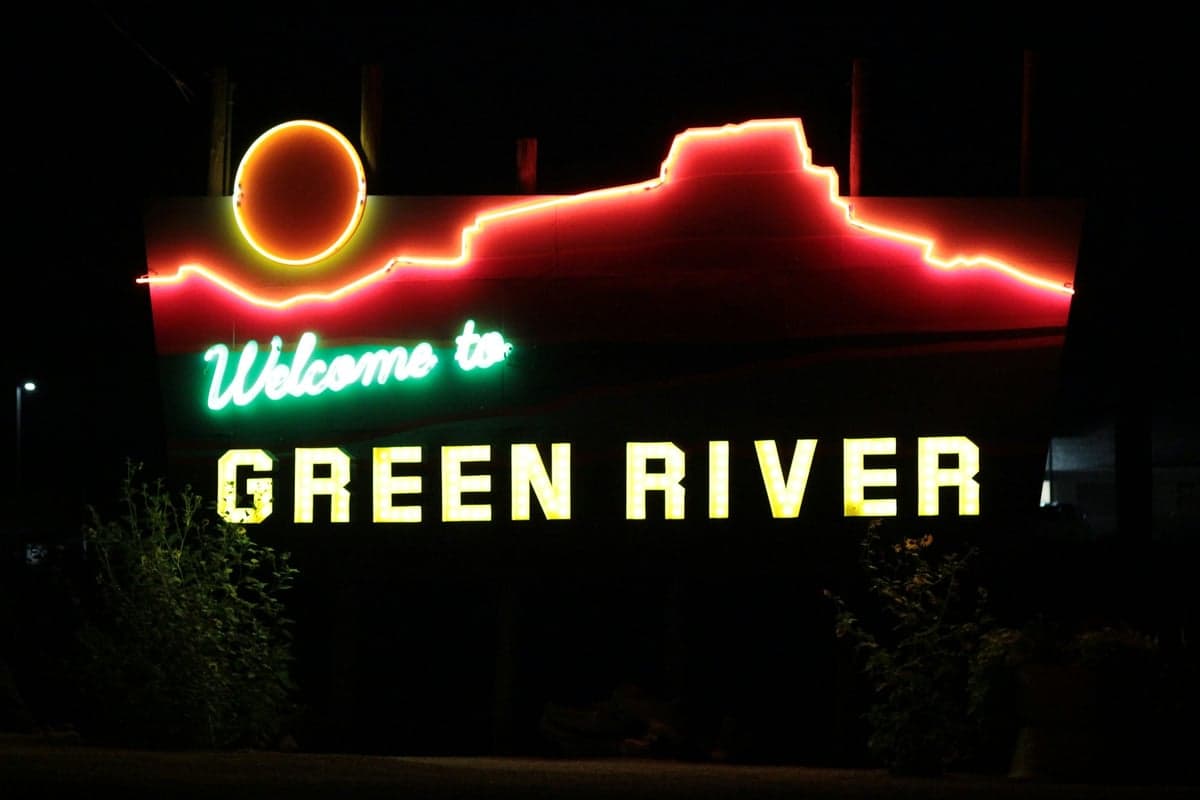
The neon welcome sign in Green River, Utah
Dutch John: Your Base Camp
Dutch John is a tiny community (population around 150) that exists almost entirely because of the dam and the fishery. It is not Jackson Hole. There are no craft cocktail bars or boutique hotels. What it has: a few lodges, cabin rentals, a general store, fly shops, and people who fish the Green every day.
Cell service warning: Dutch John has spotty coverage at best (Verizon works in spots, other carriers are hit or miss). On the river, especially Sections B and C through Browns Park, you are effectively off-grid. Download your maps, check flows, and make your phone calls before you launch. Tell someone your float plan and expected return time if you are heading to Section C.
Lodging options:
Dutch John Resort offers cabins and guide bookings. Phone: (435) 848-8000.
Red Canyon Lodge sits up on the rim with cabins and lake access.
Several permitted guide operations run trips on the Green. A full-day drift boat float runs $625 to $700 depending on the outfitter, and typically includes the boat, all gear, flies, tippet, leader, lunch, and beverages.
Spinner Fall Guide Service: Operating since 1986. Dry-fly focused. Full-day and multi-day trips on all three sections.
Trout Creek Flies: Full and half-day guided boat and walk/wade trips. Guides with 20+ years on the river. $200 deposit per boat.
WRF Guides: Float trips, walk-and-wade, camp trips, and even backpacking trips. Phone: (435) 790-6465.
Book early. Summer and fall calendars fill by February or March for the popular guide services.
Regulations
The Green River below Flaming Gorge Dam is artificial flies and lures only water. The current slot limit from the Colorado state line upstream to the dam:
Limit: 3 trout total
Size restrictions: 2 trout under 15 inches, 1 trout over 22 inches
Slot protection: All trout 15 to 22 inches must be immediately released
Gear: Artificial flies and lures only (no bait)
Motorized boats: Fishing from a motorized boat is prohibited on the entire stretch below the dam
This slot limit protects the breeding-age fish that sustain the population. Verify current rules with the Utah Division of Wildlife Resources before your trip, as regulations are reviewed annually.
Licensing: A 3-day Utah non-resident fishing license is $44 as of July 2025 (increased from $31). A 7-day option runs $91. Buy online through Utah DWR and verify current pricing before your trip, as fees have changed recently. Daily parking passes at recreation areas run $5.
Spawning note: Rainbow trout spawn through spring. Watch for redds (lighter-colored gravel patches) and do not wade through them. Do not anchor boats over spawning areas.
Floating and Paddling
The Green is not just a fishing river. It is one of Utah's best introductory whitewater runs.
Section A features roughly one Class II rapid per mile, with names like Roller Coaster, Mother-in-Law, and Can of Worms. The 7-mile float takes 3 to 4 hours and is suitable for families with basic paddling skills. Several outfitters in Dutch John rent rafts, inflatable kayaks, and dories.
Section B is mellower except for Red Creek Rapid (Class III), a short but consequential drop. Scout it from the bank and pick your line based on current flows. The 8-mile float takes 4 to 5 hours and passes through the most scenic transition on the river, from tight canyon to open valley.
Section C is a lazy 5- to 6-hour float through open prairie with no significant whitewater. The current recommendation from experienced floaters is to take out at Swallow Canyon rather than continuing to Swinging Bridge, which adds miles with diminishing returns.
Shuttle services are available through most Dutch John outfitters. Self-shuttles work but eat into fishing time, especially for Section C where the drive to Indian Crossing is over 20 miles on dirt road.
Gear Recommendations
Rod: A 9-foot, 5-weight is the workhorse for general nymphing and dry fly work. A second rod (3-weight or 4-weight) is nice for the delicate dry fly presentations on Sections B and C.
Tippet: Pack 4X through 7X. The trout here are leader-shy, and 6X fluorocarbon makes a real difference on sunny days. Bring plenty of 5X and 6X. You will go through more tippet than you expect.
Must-have flies: BWO dries and emergers (sizes 18 to 22), PMD dries (sizes 16 to 18), Griffith's Gnats (sizes 18 to 22), zebra midges (sizes 18 to 24), Pat's Rubber Legs (sizes 8 to 10), and a few San Juan Worms for high-water days.
Wading: Felt-soled boots are strongly recommended for Section A's slippery rocks. Rubber soles work on gravel bars but feel treacherous on the algae-covered boulders.
Other essentials: Polarized sunglasses (critical for sight fishing in this water), a rubber-mesh net, and hemostats for quick hook removal.
Techniques That Produce
Nymphing
Most of your fish will come subsurface. The standard Green River rig: a larger lead fly (San Juan Worm #10 or Pat's Rubber Legs #8), with a smaller dropper (zebra midge #22 or RS2 #22) trailing 12 to 18 inches behind. Use 4X fluorocarbon to the lead fly, 5X to 6X to the dropper. Small strike indicators are essential in this clear water, where standard bobbers spook fish.
Get your depth right and let the flies drift naturally without drag. Mend constantly. These fish have seen a million bad drifts.
Dry Fly Fishing
When fish are rising, and they rise often on the Green, the dry fly fishing can be outstanding. Keys to success:
Long, fine leaders: 12 feet or longer, ending in 6X or 7X
Mono tippet (not fluoro) for dries, as it floats better
Precise casting: put the fly in the fish's feeding lane, not 3 feet to the side
Watch your shadow: these fish spook at everything
The best dry fly windows are overcast afternoons during BWO season (spring and fall) and the midge hatch window from roughly 10am to 3pm year-round.
Streamer Fishing
Streamers come into their own on Section C, where big browns respond to Woolly Buggers (#6-8, olive and black), sculpin patterns, and articulated leeches. Fish them with slow strips and long pauses along undercut banks. Early morning and late evening are prime streamer hours, though they produce throughout the day in winter.
Common Mistakes
Fishing too heavy. Light tippet (6X-7X) and small indicators are non-negotiable in this clear water.
Ignoring flow changes. Even a 200 CFS shift changes fish positioning. Check RiverReports the morning of your trip.
Skipping the fly shop. Stop at Trout Creek Flies or ask your guide what is working today. Conditions change weekly.
Only fishing Section A. Section A gets the hype, but B and C offer bigger fish and more solitude.
Driving past Vernal without supplies. Dutch John has basics, but Vernal is your last real grocery store and gas station.
Frequently Asked Questions
Where is the best place to fish the Green River?
Section A from Flaming Gorge Dam to Little Hole is the most popular stretch, with 8,000-14,000 trout per mile and excellent wade access at flows under 1,200 CFS. For bigger fish with more solitude, Section C below Indian Crossing holds trophy brown trout reaching 25-30 inches, though densities are lower. Check current flows on RiverReports to pick the right section for your trip.
What is the best time of year to fish the Green River?
The Green River fishes well year-round thanks to consistent tailwater releases from Flaming Gorge Dam. Spring and fall offer the best dry fly action with BWO and PMD hatches. Summer brings the legendary cicada hatch with explosive topwater fishing. Winter midging is productive but demands cold-weather preparation. Dutch John sees sub-zero temperatures regularly.
How many fish per mile on the Green River?
Section A holds 8,000-14,000 trout per mile in peak electrofishing surveys, making it one of the most productive tailwaters in the American West. Section B averages around 3,000-5,000 trout per mile with Class II rapids. Section C has the lowest density but produces the biggest fish: brown trout exceeding 25 inches are caught every season.
What's on the menu
Everything this river feeds, by month. Filter by bug, category, or fly size, and switch the axis to see what comes off at what time of day. Pulled from our western hatch and forage guide.
Taller and darker means heavier emergence. Hover any row for how long it lasts, how much the timing moves, and what to tie on.
Window vs shapeTwo different things are stacked on each row. The window is specific to these rivers, taken from fly shop and outfitter hatch charts, guide reports, and our own river guides. The shape of the curve is the insect's typical emergence profile from published sources, drawn across that window. It models a normal year, not this year. Dashed bars mean we have timing but no sourced emergence profile, so no curve is drawn.The three categoriesHatches are aquatic insect emergences. Terrestrials are land insects that end up in the water: hoppers, ants, beetles, spruce moths, cicadas. Forage is everything else on the menu, from mysis and sowbugs to crayfish, eggs, sculpins, and mice. Forage is available whether or not anything is emerging, so it sits outside the “how much is on” totals, which measure bug activity only.
Historical flow comparisons to understand whether current levels are typical for the season
Weather forecasts, because overcast days bring the best dry fly action
The Green's tailwater nature means stable, predictable flows most of the time. Unlike freestone rivers, you will not wake up to blown-out conditions after a thunderstorm. But checking flows before you drive helps you understand fish positioning, wading feasibility, and which sections will fish best.
Set up flow alerts on RiverReports so you know immediately if dam releases change your plans.