Best Trout Rivers in the US: 27 Rivers Across 9 Categories (No Cliches Allowed)
We banned the most obvious rivers, then ranked what's left across 9 categories—from small-stream beginner water to trophy tailwaters to the best family-friendly destinations.
Riley Thompson
April 4, 2026
25 min read
Every "best trout rivers" list on the internet is the same. Madison. Yellowstone. South Platte. They're all great rivers. They're also all crowded, well-documented, and the fishing equivalent of recommending a trip to Paris.
This isn't that list.
We broke America's trout water into nine categories that actually matter when you're planning a trip. If you're a first-timer looking for confidence builders, a trophy hunter chasing the fish of a lifetime, or a parent trying to keep the whole family happy, we've got picks for you.
Each category gets a gold, silver, and bronze medal. Twenty-seven rivers total. No river appears twice. And to keep ourselves honest, we banned the obvious picks.
The Categories
- 🚫 The Banned List - Rivers we're not allowed to pick. You already know them.
- 🎓 Best for Beginners - Small water, easy wading, willing fish. No tailwaters.
- 🏆 Best Chance at a Trophy - Realistic shots at 20+ inch fish.
- 🏔️ Best Scenery - Where the backdrop outcompetes the fishing.
- 🤫 Least Crowded - Fish all day without seeing another rod.
- 🪰 Best Dry Fly Water - Surface feeding. The reason we all started.
- ❄️ Best Year-Round - January or July, they're always fishing.
- 🚗 Best for a Road Trip - Multiple rivers, one week, maximum variety.
- 👨👩👧👦 Best for a Family Trip - Great fishing plus activities that keep everyone happy.
- 🌲 Best of the East Coast - Excellent trout water east of the Mississippi.
The Banned List 🚫
These rivers are great. You already know about them. Every other list puts them at the top. We're not allowed to mention them as medal winners because you don't need us to tell you the Madison River is good.
- South Platte River, Colorado - Yes, Cheesman Canyon is Gold Medal water. Everyone knows.
- San Juan River, New Mexico - 15,000 trout per mile. We get it. It's on every list ever written.
- Missouri River, Montana - Arguably the best tailwater in America. Go fish it. You don't need our permission.
- Provo River, Utah - 3,500 fish per mile, 20 minutes from Park City. Already wrote a whole guide about it.
- Roaring Fork, Colorado - Gold Medal. Beautiful. Well-covered.
- Truckee River, California/Nevada - Reno's backyard trout stream. Good. Famous. Next.
If your favorite river is on this list, congratulations, you have good taste. Now let's talk about the rivers that deserve more attention.
Best for Beginners 🎓
No tailwaters. No parking lots full of drift boats. You want small water where you can cast across the stream, wade without fear, and learn to read water on fish that actually eat your fly. These are the rivers that make people fall in love with the sport.
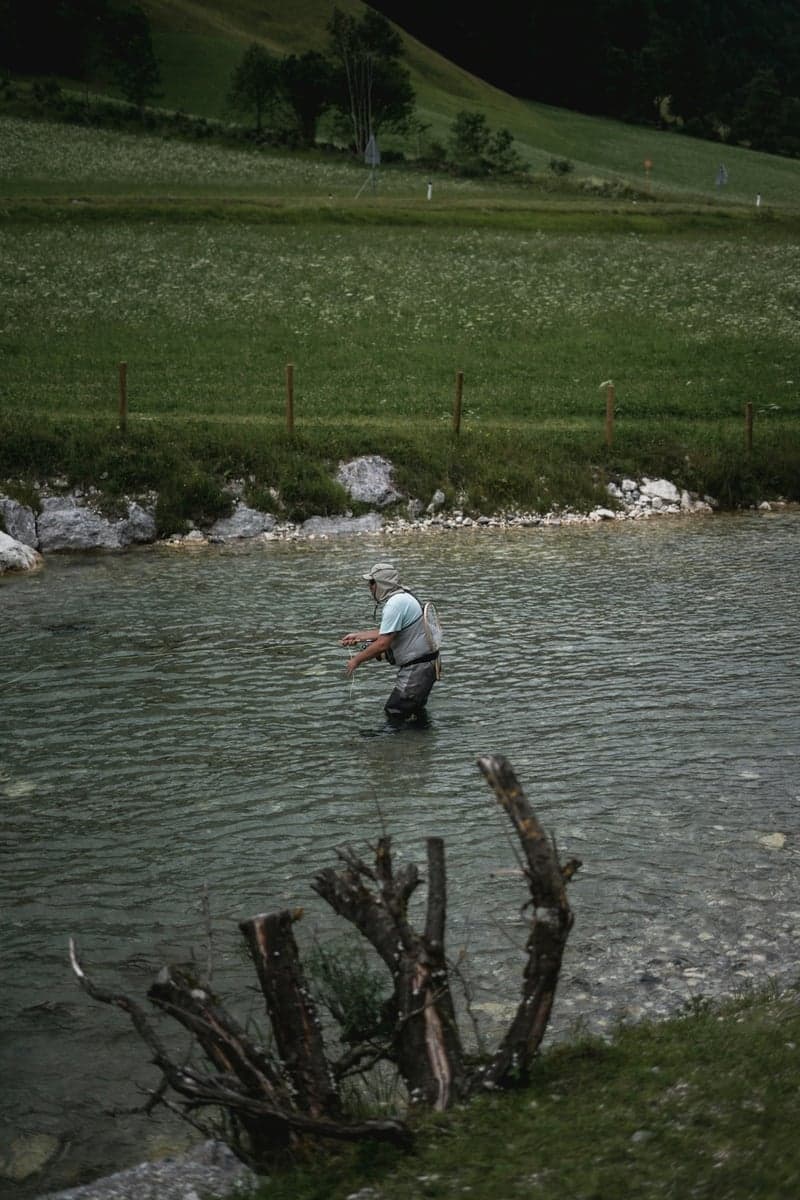
Knee-deep in a meadow creek with green banks on both sides—this is how it's supposed to start
- 🥇 Gold: Driftless Area Spring Creeks, Wisconsin
- 🥈 Silver: Deep Creek, Great Smoky Mountains, North Carolina
- 🥉 Bronze: Spring Creek, State College, Pennsylvania
🥇 Driftless Area Spring Creeks, Wisconsin
Six hundred spring-fed limestone creeks spread across southwestern Wisconsin. That's not a typo. If you blow it on one creek, you drive five minutes and try another. The streams are 10–20 feet wide, knee-deep, with sand and gravel bottoms that won't send you swimming. Wild brown trout in the 8–12 inch range eat dry flies off the surface all summer.
The open meadow banks mean no brush eating your backcast. The crystal-clear water teaches you stealth and drag-free drifts, real skills that transfer everywhere. Summer terrestrial fishing (hoppers, ants, beetles) is peak beginner season: the flies are big, easy to see, and the fish hammer them. Hire a guide for day one at the Driftless Angler in Viroqua, buy a box of Elk Hair Caddis and foam beetles, and go learn.
Check out the Driftless Area guide for more details, or track Wisconsin flows.
🥈 Deep Creek, Great Smoky Mountains, North Carolina
Deep Creek is the sweet spot in the Smokies, wider and more forgiving than the typical cramped mountain headwater, but still a genuine wild freestone with beautiful scenery. Drive right to it from Bryson City. The campground sits directly on the water, and you can walk from your tent to a trout pool.
Wild rainbows in the 6–10 inch range eat a size 14 Elk Hair Caddis or Parachute Adams most days from April through October. Only artificial flies and lures allowed parkwide, so you're fishing to relatively unpressured trout. The pocket water teaches you to read current seams, eddies, and plunge pools (the fundamental vocabulary of trout habitat). No park entrance fee. Read our Smokies guide for the full picture.
🥉 Spring Creek, State College, Pennsylvania
The finest limestone spring creek in Pennsylvania, holding an estimated 5,000 wild brown trout per mile in its catch-and-release stretch. It's 15–25 feet wide, smooth limestone bottom, and you can cast across it almost everywhere.
Spring Creek is a "graduate school" beginner stream. The wading is easy, but the fish can be selective in gin-clear water. That's the point: it rewards improvement. The dense fish population means you'll see trout rising and learn to match the hatch in real time. BWOs, Sulphurs, Tricos, caddis. The hatches are prolific. TCO Fly Shop in State College offers intro classes if you want guided instruction before going solo. Track Pennsylvania flows.
Best Chance at a Trophy 🏆
You're not here for 12-inch stockers. You want a realistic shot at a fish over 20 inches, maybe over 10 pounds. These are the rivers where it actually happens with regularity.
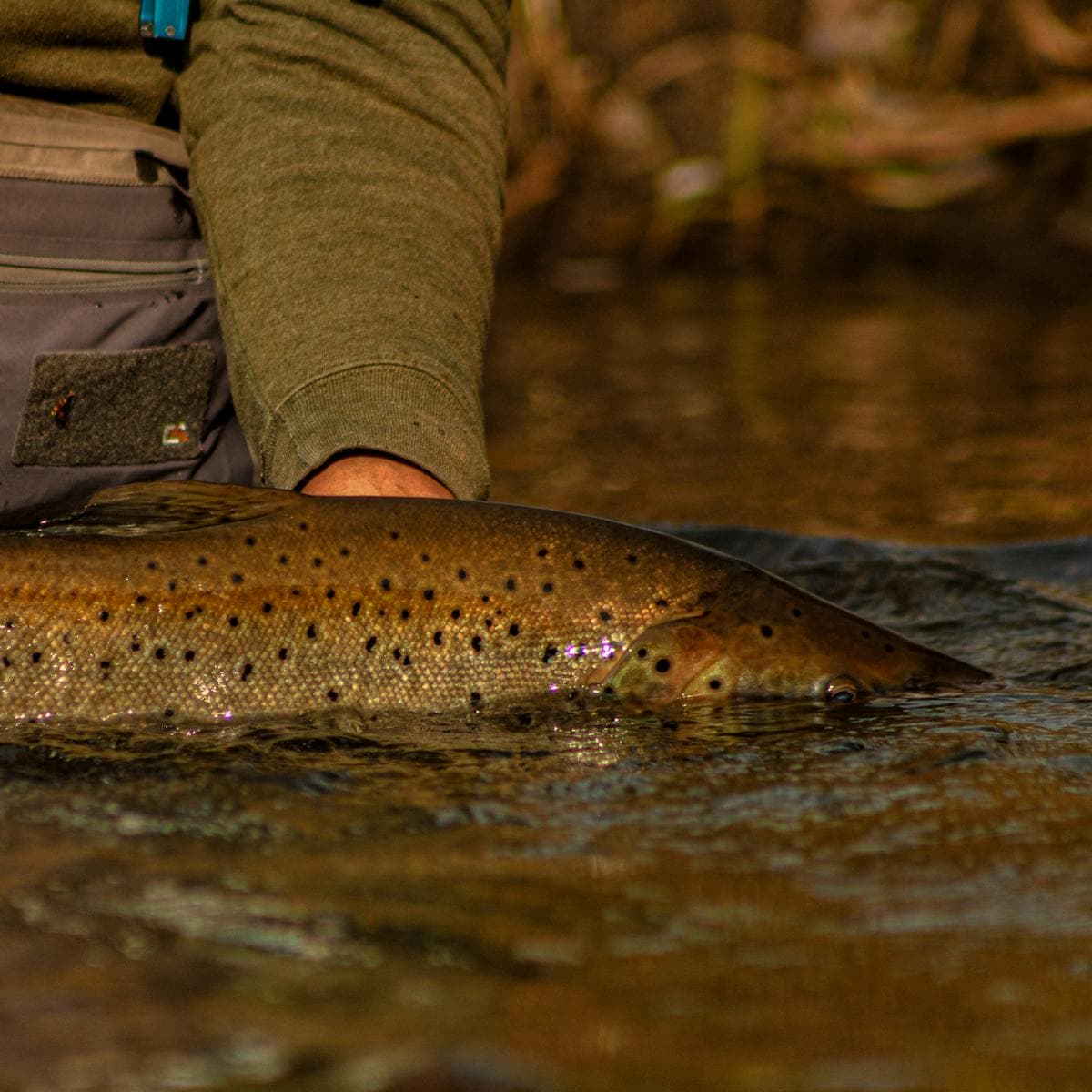
Releasing a brown trout—on the right trophy water, fish like this aren't the story you tell for years, they're a Tuesday
- 🥇 Gold: White River, Arkansas
- 🥈 Silver: Green River, Utah
- 🥉 Bronze: North Platte River (Grey Reef), Wyoming
🥇 White River, Arkansas
No other river in America grows brown trout like this. The Arkansas tailwater system has produced legendary fish. The nearby Little Red River (below Greers Ferry Dam) held two former all-tackle world records, including a 40-pound, 4-ounce brown in 1992. The White River system itself routinely produces fish over 20 pounds, and Arkansas biologists will tell you it's only a matter of time before one of these rivers takes the world record back from New Zealand.
Below Bull Shoals Dam, you're looking at 100 miles of tailwater that grows trout to genuinely absurd sizes. The secret is the shad. Bull Shoals Dam turbines churn threadfin shad into the tailwater from December through April, creating a high-calorie forage base that no other US river can match. Browns gorge on stunned shad and grow fast and fat. Fish of 5–10 pounds show up every season. Fish over 20 pounds are caught annually. The realistic ceiling here is 30+ pounds. That's not a trout river. That's a different animal entirely.
Check Arkansas flows for current levels.
🥈 Green River, Utah
Below Flaming Gorge Dam, the Green River holds an estimated 8,000–14,000 trout per mile in recent surveys (down from a peak of 22,000 in the late 1980s), but still absurd by any standard. The A Section (dam to Little Hole) is the marquee stretch: browns and rainbows averaging 16–18 inches, with 20-plus-inch fish mixed in regularly.
Section C is where the true trophy hunters go. Fish density drops, but individual size goes up substantially, with browns in the 22–26 inch range are "not uncommon" according to guides who float it. The cold, nutrient-rich tailwater produces prolific insect hatches year-round: Mother's Day caddis in May, PMDs and BWOs through summer, and the terrestrial bite (hoppers, ants, beetles) lights up August. Flows typically run 800–1,800 CFS. The drift boat floats are legendary.
Check Green River conditions to time your trip.
🥉 North Platte River (Grey Reef), Wyoming
Grey Reef and the Miracle Mile are Wyoming's trophy factory. The tailwater below Alcova Reservoir consistently produces browns over 20 inches, with fish over 24 inches caught every week during prime season. American Angler Magazine named it the #1 section in the lower 48 for number and size of trout, with over 8,000 fish per mile.
The Miracle Mile section (between Pathfinder and Alcova reservoirs) is where the true giants live. Fish density is lower than the Green, but the average size is substantially bigger. Flows between 500–1,500 CFS keep the big fish feeding actively. Track Wyoming flows for the latest.
Best Scenery 🏔️
Sometimes the fishing is secondary. Sometimes you want to stand in a river and realize you're in one of the most beautiful places on earth.
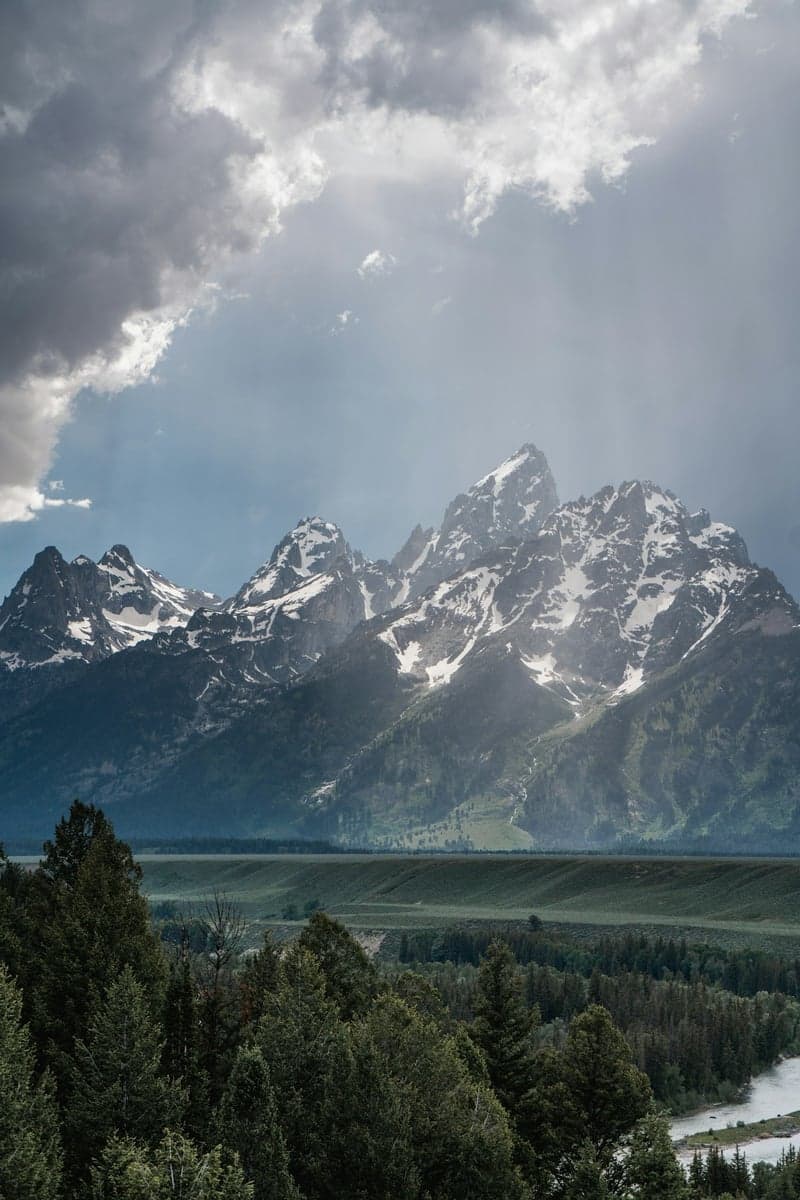
Mountains, river, silence—when the scenery is this good, the fishing is almost a bonus
- 🥇 Gold: Snake River, Wyoming
- 🥈 Silver: Gunnison River (Black Canyon), Colorado
- 🥉 Bronze: Yellowstone River, Montana
🥇 Snake River, Wyoming
There is no more iconic backdrop in American fly fishing than the Grand Tetons rising above the Snake River. You're drift-boating through a wide, braided channel with 13,000-foot peaks filling the sky behind you. Cutthroat trout (native Snake River fine-spotted cutts) rise to dry flies in the riffles while moose browse the willows on the bank.
The fishing itself is solid: healthy cutthroat in the 14–18 inch range, plus some larger browns in the deeper runs. But honestly, you could go fishless and still call it the best day you've ever had on a river. See Jackson Hole fishing info for planning details.
🥈 Gunnison River (Black Canyon), Colorado
Black Canyon of the Gunnison is a national park for a reason. Two-thousand-foot-deep canyon walls of dark Precambrian rock tower over a river holding Gold Medal trout water. Getting down to the river requires hiking steep, unmaintained routes, some with chains bolted into the rock.
Once you're at the bottom, you're fishing for large browns and rainbows in one of the most dramatic settings in the country. It's not easy water, and it's not for everyone. But standing at the bottom of the Black Canyon with a 20-inch brown on the line? Nothing compares. Check Colorado conditions for more.
🥉 Yellowstone River, Montana
The longest undammed river in the lower 48 carves through Paradise Valley between Livingston and Gardiner, with the Absaroka Range on one side and the Gallatin Range on the other. In autumn, the cottonwoods go golden, the browns are spawning, and the light turns everything amber.
It's a big river (wade the edges or float the middle) with healthy populations of cutthroat, rainbow, and brown trout. The scenery alone makes it one of Montana's best, and the fishing backs it up. Track Montana river flows to plan your float.
Least Crowded 🤫
If your idea of a good day involves not seeing another person, these rivers deliver. They're all excellent fisheries that fly under the radar for various reasons.
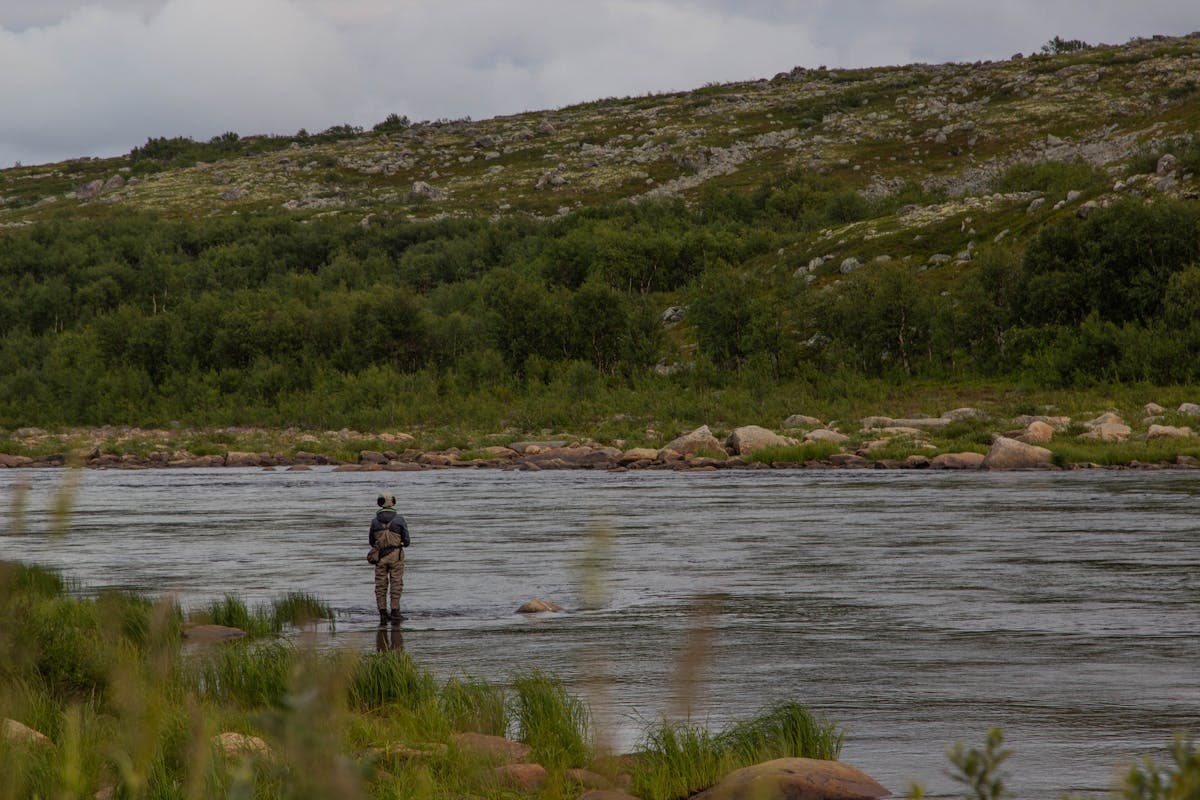
Solitude like this still exists—you just have to know where to look
- 🥇 Gold: Big Hole River, Montana
- 🥈 Silver: Au Sable River, Michigan
- 🥉 Bronze: Bitterroot River, Montana
🥇 Big Hole River, Montana
The Big Hole is the last river in the lower 48 with a self-sustaining population of native Arctic grayling. That alone makes it special. But the real draw for solitude-seekers is that everyone drives past it on their way to the Madison, the Gallatin, or the Missouri.
The upper river above Wise River is classic meadow water: tight casting, undercut banks, willing browns and brookies. The lower sections open up into bigger water with faster runs and bigger fish. On a weekday in September, you might fish all day without seeing another rod. That's increasingly rare in Montana.
🥈 Au Sable River, Michigan
The birthplace of Trout Unlimited and one of the finest trout streams east of the Mississippi. So why is it on the "least crowded" list? Because it's in Michigan. The glamour destinations pull anglers west, leaving the Au Sable's Holy Water section to those who know.
The evening Hex hatch (giant mayflies, for the uninitiated) in late June is one of fly fishing's great events: huge brown trout feeding on the surface in the dark. The rest of the year, the Au Sable offers beautiful brook trout in the upper stretches and solid browns throughout. Check Michigan flows to plan.
🥉 Bitterroot River, Montana
The Bitterroot runs through a wide valley south of Missoula, overshadowed by the Rock Creek, Clark Fork, and Blackfoot rivers nearby. That's your gain. While everyone fishes Missoula's more famous water, the Bitterroot quietly offers excellent dry fly fishing through ranching country with the Bitterroot Mountains as a backdrop.
Spring skwala hatches bring big fish to the surface before most other Montana rivers are fishable. Read more in our Missoula area guide.
Best Dry Fly Water 🪰
Nymphing catches more fish. Everyone knows that. But some of us got into this sport to watch a trout eat a dry fly off the surface, and these rivers deliver that experience better than anywhere else.
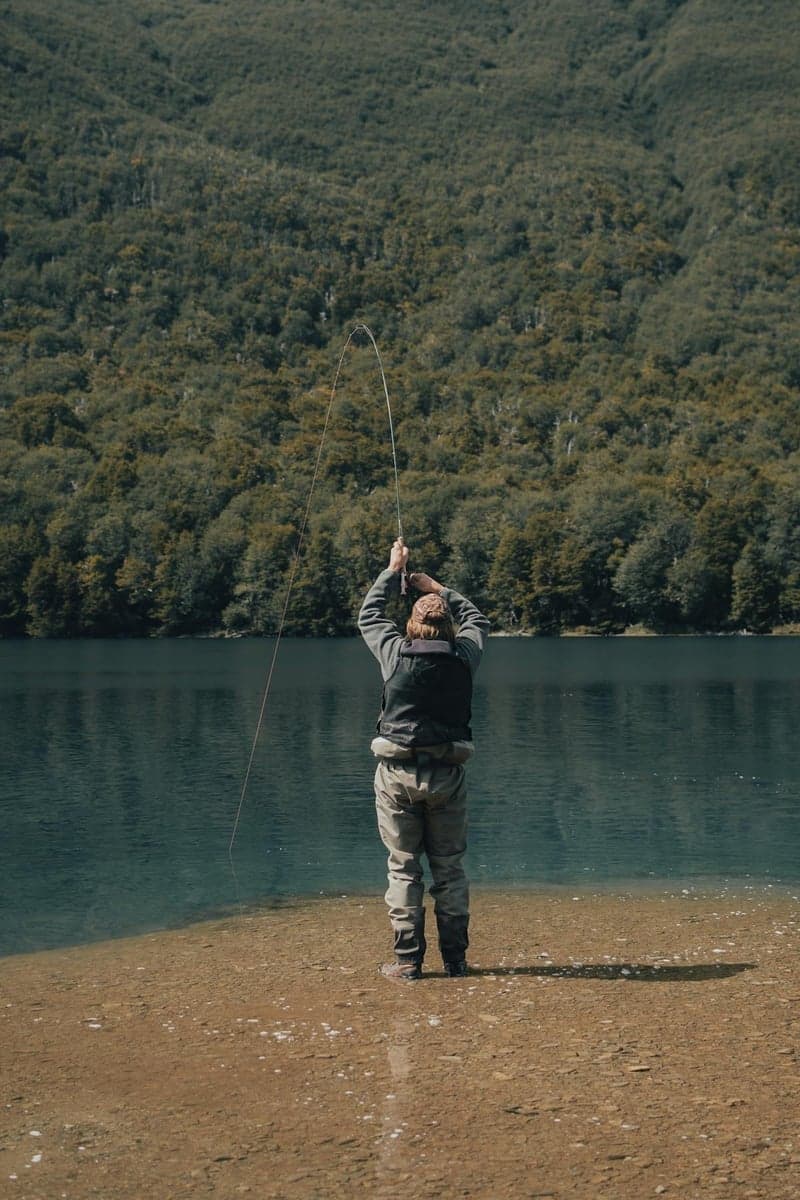
Wading into a hatch on technical dry fly water—the kind of fishing that ruins you for everything else
- 🥇 Gold: Henry's Fork, Idaho
- 🥈 Silver: Madison River, Montana
- 🥉 Bronze: Delaware River, New York/Pennsylvania
🥇 Henry's Fork, Idaho
The Railroad Ranch section of the Henry's Fork is the most famous dry fly water in the world, and it earns that reputation. The river flows slow and clear through Harriman State Park, and the rainbows, many in the 16–20 inch range, feed selectively on the surface during prolific hatches from June through September.
Green Drakes, PMDs, Callibaetis, Flavs. The hatch chart reads like a fly tier's dream. The fish are educated, and a size-off or a bad drift gets refused. It's technical, sometimes humbling, and absolutely addicting. This is dry fly fishing at its purest.
🥈 Madison River, Montana
Fifty miles of riffle water between Quake Lake and Ennis Lake, the Madison is one long conveyor belt of surface-feeding trout. The pocket water and riffles mean fish don't get a long look at your fly, so they commit or they don't. That makes the Madison more forgiving than the Henry's Fork while still providing outstanding dry fly action.
The salmonfly hatch in late June is controlled chaos. Size 4 dry flies. Aggressive strikes. Fish throwing themselves at anything that looks vaguely like a two-inch stonefly. It's ridiculous, and it's wonderful. Check Bozeman area fishing for access details.
🥉 Delaware River, New York/Pennsylvania/New Jersey
The best dry fly river east of the Mississippi, and it's not close. The upper Delaware system (West Branch, East Branch, and mainstem) produces massive mayfly hatches that rival anything out West. March Browns, Sulphurs, Green Drakes, Coffin Flies. The hatches are dense and the fish respond.
Wild brown trout in the 14–20 inch range rise predictably during the evening hatches from May through July. The river is big enough to float but intimate enough to wade. And unlike Western rivers that charge premium guide rates, the Delaware is public water with free access along most of its length. Track flows at New York gauges.
Best Year-Round Fishing ❄️
Most trout rivers have a season. These don't. Whether it's January or July, you can show up, rig up, and catch fish.
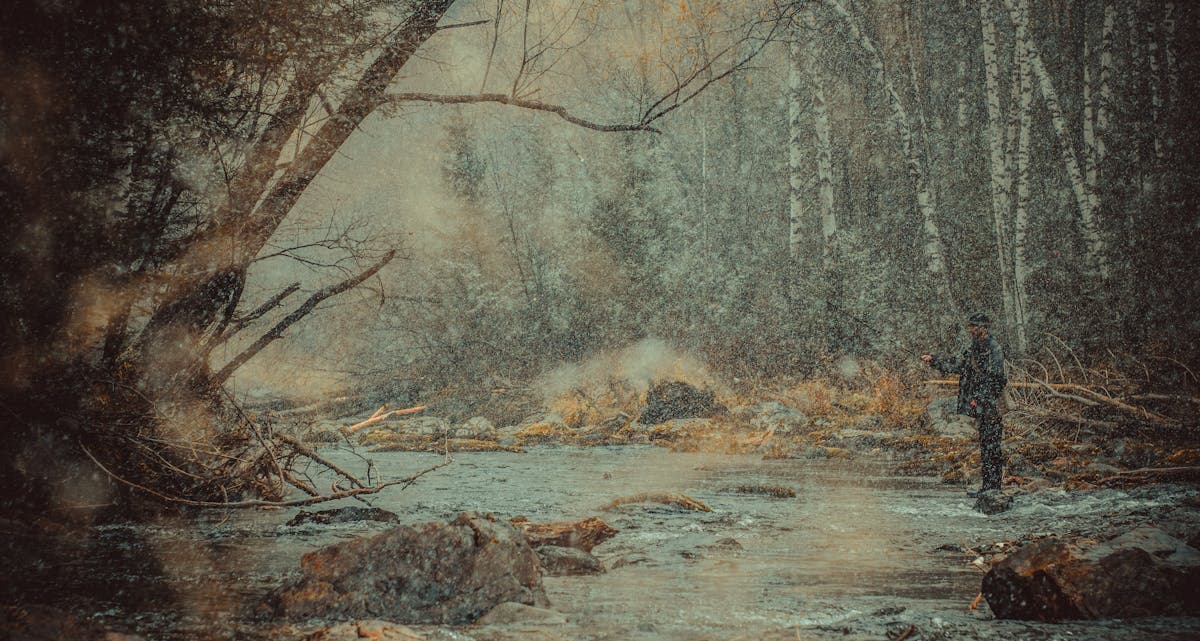
Winter fly fishing on a tailwater—when the air hurts your face but the midge hatch is too good to leave
- 🥇 Gold: Bighorn River, Montana
- 🥈 Silver: Frying Pan River, Colorado
- 🥉 Bronze: Farmington River, Connecticut
🥇 Bighorn River, Montana
The Bighorn below Yellowtail Dam stays in the 40–55°F range year-round thanks to the bottom-release dam, which means the trout stay active even when it's negative-20 outside. The first 13 miles from the dam to Bighorn Access produce 3,000–5,000 trout per mile, and they eat all winter.
January through March is prime midge season. Tiny flies, technical fishing, and browns that make you forget you can't feel your fingers. Summer brings terrestrials and bigger nymphs. Fall has the streamer bite. There's always something happening on the Bighorn. Track conditions at Montana gauges.
🥈 Frying Pan River, Colorado
The Frying Pan below Ruedi Reservoir is a Gold Medal tailwater with more trout per mile than most rivers have per stretch. The dam keeps water temps fishable all year, and the fish stay on the feed even in the dead of winter.
The famous "Toilet Bowl" pool near the dam holds ridiculous numbers of large trout, and ridiculous numbers of anglers in summer. But walk downstream, and you'll find excellent water with far less pressure. Winter midge fishing here is a rite of passage for Colorado anglers. Check Colorado flows for conditions.
🥉 Farmington River, Connecticut
The best year-round trout fishery in the Northeast, and it doesn't get enough credit nationally. The Farmington below Goodwin Dam maintains fishable temperatures through Connecticut winters, and the wild brown trout population is strong.
The river sees solid caddis and mayfly hatches from April through September, and the winter midge fishing is legitimate. If you live anywhere in New England, this is your 12-month option. Track flows at Connecticut gauges.
Best for a Road Trip 🚗
You've got a week. You want to hit multiple rivers, camp along the way, and stack up different experiences. These corridors give you the most variety in the shortest drive.
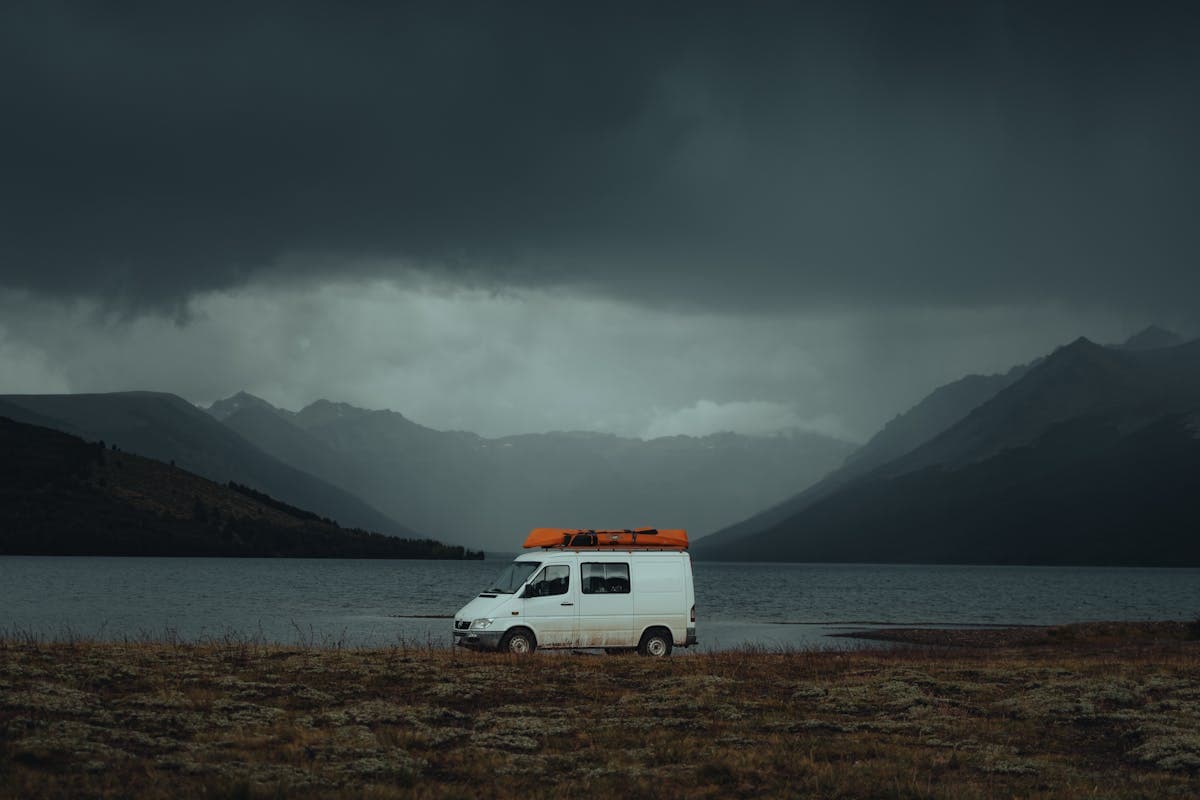
The best fishing road trips put you within striking distance of multiple rivers from a single base camp
- 🥇 Gold: Gallatin Valley Corridor, Montana
- 🥈 Silver: Deschutes River, Oregon
- 🥉 Bronze: Colorado Gold Medal Loop
🥇 Gallatin Valley Corridor, Montana
Base yourself in Bozeman, and you're within 90 minutes of the Gallatin, Madison, Yellowstone, Missouri, and Boulder rivers. Each one fishes differently. The Gallatin is tight pocket water through a canyon. The Madison is wide riffles. The Yellowstone is big-water floats. The Missouri is a top-tier tailwater.
You could spend a week rotating through these rivers and fish different water every day without repeating. The camping is abundant (Gallatin Canyon has a dozen Forest Service campgrounds), the food in Bozeman is surprisingly good, and the variety of fishing is unmatched anywhere in the country. Read our Bozeman destination guide for the full breakdown.
🥈 Deschutes River, Oregon
The Deschutes offers something most Western trout rivers can't: free BLM camping right along the canyon rim, a healthy wild redband trout population, and a fall steelhead run that overlaps with the October caddis hatch. You can camp for a week in the canyon and never pay a dime.
The lower Deschutes below Warm Springs is the sweet spot. Redband rainbows in the 12–18 inch range eat dry flies aggressively, and the canyon scenery (basalt walls, desert sage, golden grass) is unlike anything in the Northern Rockies. Explore Bend, Oregon fishing for more.
🥉 Colorado Gold Medal Loop
Start at the Arkansas River near Buena Vista, drive over Independence Pass to the Frying Pan and Roaring Fork near Basalt, then loop back through Vail and hit the Eagle River. Three Gold Medal rivers, high mountain passes, and some of the best small-town dining in the Rockies.
The Arkansas gives you big water and easy wading. The Frying Pan is technical tailwater fishing. The Roaring Fork offers a mix of both. You can do this loop in a long weekend, or stretch it to a week and really work each river. See our Arkansas River spring guide and Vail fishing info.
Best for a Family Trip 👨👩👧👦
You want to fish. Your partner wants a cute town. Your kids want to do literally anything else. These destinations thread the needle: great trout water within minutes of real non-fishing activities, solid lodging, and enough to keep everyone happy for a week.
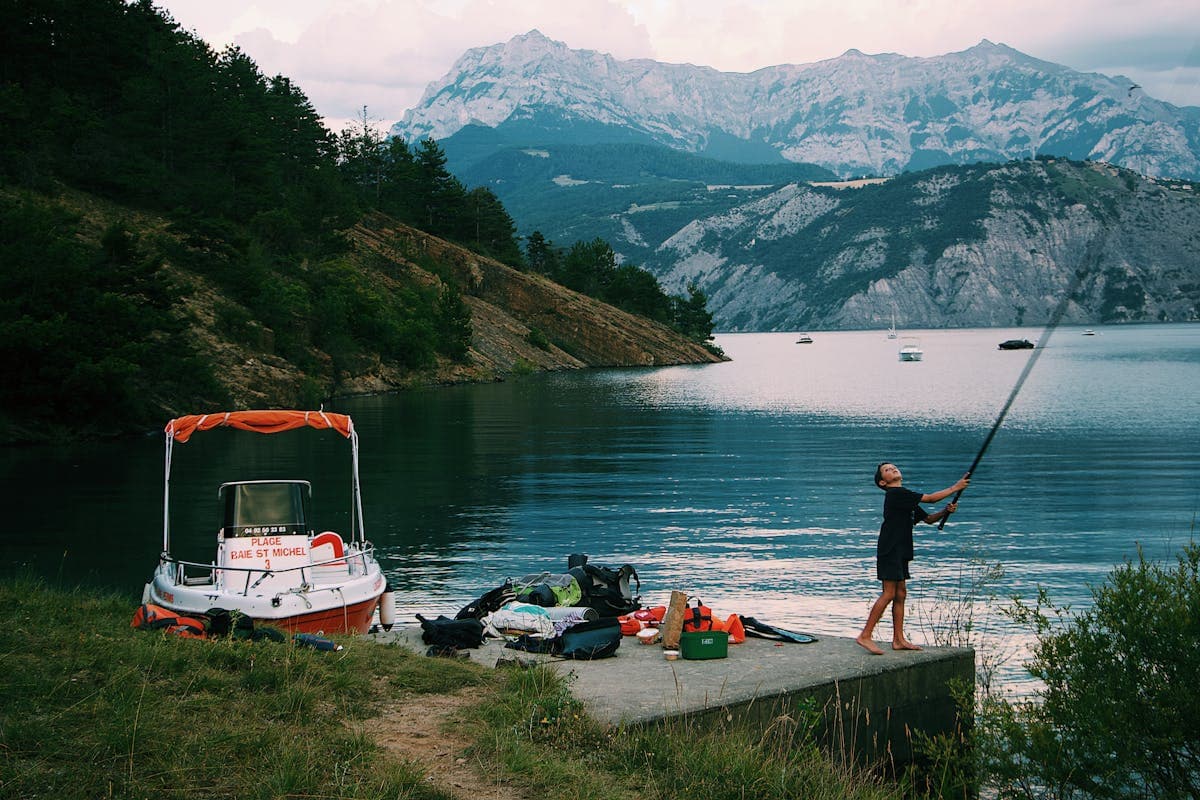
Family trips work when the fishing is close to town and the non-fishing options are just as good
- 🥇 Gold: Animas River, Durango, Colorado
- 🥈 Silver: Spearfish Creek, Black Hills, South Dakota
- 🥉 Bronze: Rapidan River, Shenandoah Valley, Virginia
🥇 Animas River, Durango, Colorado
Gold Medal trout water running straight through a historic mountain town. That's the sell. You can walk from breakfast at a downtown café to a casting spot in under five minutes. The Animas holds healthy browns and rainbows in the 12–18 inch range through the city stretch, and kids old enough to hold a rod can wade the shallow edges safely.
But the real magic is what happens when you're not fishing. The Durango & Silverton Narrow Gauge Railroad is a 3.5-hour steam train ride through a canyon that makes kids (and adults) lose their minds. Trimble Hot Springs is 15 minutes north. Mesa Verde National Park (800-year-old cliff dwellings) is 45 minutes west. The Airbnb and vacation rental scene in Durango is excellent, with mountain cabins that sleep 6–8 for reasonable rates. Read our Durango guide for the fishing details.
🥈 Spearfish Creek, Black Hills, South Dakota
Spearfish Creek is a spring-fed limestone stream running through Spearfish Canyon, one of the prettiest drives in the Great Plains. The creek holds wild brown and rainbow trout in the 8–14 inch range that eat dry flies all summer. It's small water, perfect for teaching kids to cast without needing to worry about wading depth or strong current.
The Black Hills are a family trip goldmine. Mount Rushmore is 45 minutes away. Custer State Park has free-roaming buffalo herds that will walk right up to your car (the kids will talk about this for years). Deadwood is a 20-minute drive for ice cream and Main Street browsing. The town of Spearfish has affordable cabin rentals and a mellow vibe that makes for a great base camp.
🥉 Rapidan River, Shenandoah Valley, Virginia
The Rapidan is a native brook trout stream in Shenandoah National Park, small, clear, and surrounded by forest canopy. The brookies are wild and beautiful (6–9 inches), and the pocket water teaches casting fundamentals naturally. President Hoover built his fishing camp here in 1929, and you can still visit it on a short hike.
Shenandoah National Park is the anchor: Skyline Drive offers 105 miles of scenic overlooks, easy family hikes, and deer that practically pose for photos. Luray Caverns (the largest caverns in the eastern US) is 30 minutes from the park entrance. Charlottesville is an hour south for food, wineries, and Monticello. The valley has a deep vacation rental market, from farmhouse cabins to riverside cottages. Track Virginia flows for conditions.
Best of the East Coast 🌲
Western anglers sleep on the East. That's their loss. These three rivers prove that excellent trout fishing exists between the Appalachians and the Atlantic, with better access, fewer crowds, and no $700 guide fees.
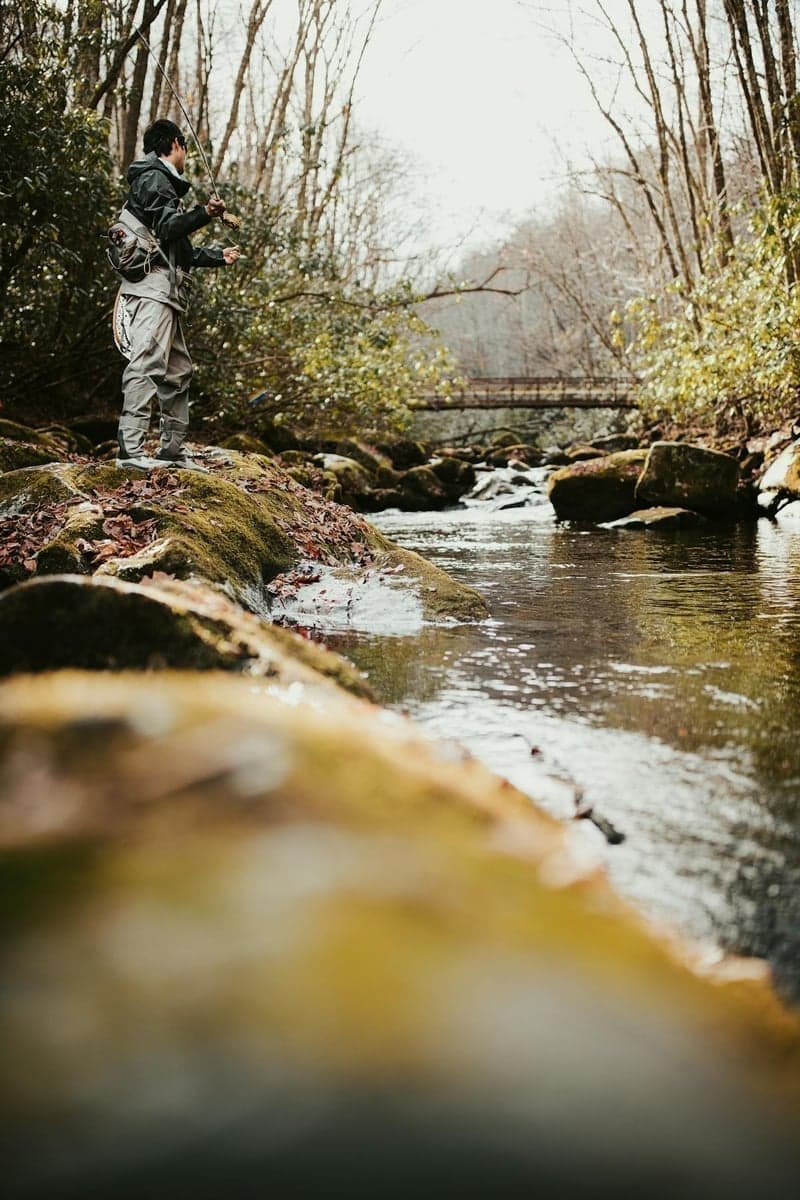
Eastern trout water doesn't have 13,000-foot peaks—it has canopy, solitude, and wild fish that have been here longer than you
- 🥇 Gold: Penns Creek, Pennsylvania
- 🥈 Silver: Davidson River, North Carolina
- 🥉 Bronze: Battenkill, Vermont
🥇 Penns Creek, Pennsylvania
Penns Creek is the Eastern river that Western anglers actually make the pilgrimage for. The Green Drake hatch in late May and early June is one of the great events in American fly fishing: clouds of size 10 mayflies blanketing the water while wild browns in the 14–20 inch range feed recklessly on the surface. For two weeks, Penns Creek fishes like a Henry's Fork that nobody told the crowds about.
Outside of Green Drake season, it's still excellent. The limestone-influenced water produces strong hatches of Sulphurs, BWOs, and caddis through the summer. The roughly 7-mile catch-and-release section from Poe Paddy downstream holds wild brown trout that see fewer anglers than most Colorado tailwaters. Access is through state forest roads and a couple of rugged hiking trails. You earn your water here. Track flows at Pennsylvania gauges.
🥈 Davidson River, North Carolina
The Davidson flows through the Pisgah National Forest in the heart of the Blue Ridge Mountains, and it's the best public-access trout stream in the Southeast. The catch-and-release section below the fish hatchery holds wild and holdover browns that get surprisingly large, and fish over 20 inches are caught regularly by anglers willing to put in the time.
The river is about 30 feet wide in most places, easy to wade, and surrounded by old-growth hardwood forest that turns spectacular in October. The hatches are solid (caddis, Sulphurs, terrestrials), but the real draw is the setting. It's a place that makes you wonder why you ever thought you needed to fly to Montana. Check North Carolina flows for conditions.
🥉 Battenkill, Vermont
The Battenkill is American fly fishing heritage in liquid form. The American Museum of Fly Fishing sits on its banks in Manchester. Orvis was founded here. The river runs through covered-bridge Vermont countryside that looks like a postcard from 1952.
The wild brown trout population has fluctuated over the decades, but recent conservation efforts have the fishery trending in the right direction. The fish average 8–12 inches with occasional 16–18 inch surprises. The Battenkill rewards stealth and finesse. These are educated fish in clear water. What you lose in size compared to Western rivers, you gain in setting, tradition, and the satisfaction of fooling a genuinely wild fish on a dry fly in one of the most beautiful valleys in New England. Track Vermont flows.
How to Use This Guide
A few things to keep in mind:
Check flows before you go. Every river on this list fishes differently depending on water levels. High spring runoff can blow out rivers that are perfect in summer. RiverReports tracks 725+ gauge sites across 36 states. Check conditions on any of these rivers before you drive.
Timing matters more than location. A mediocre river during a great hatch will outfish a legendary river during runoff. Do your homework on hatch charts and seasonal patterns. Our best tailwaters guide and spring rivers guide can help with timing.
The East earned its place. Ten of our 27 medal winners are east of the Mississippi: the Driftless, Deep Creek, Spring Creek PA, Au Sable, Delaware, Farmington, Rapidan River, Penns Creek, Davidson, and the Battenkill. That's more than a third of the list, and every one of them earned it.
Set up flow alerts. If you're eyeing a specific river, set up a flow alert on RiverReports. You'll get notified when flows hit your ideal range, so you can time your trip instead of guessing.
The Full Medal Table
| Category | 🥇 Gold | 🥈 Silver | 🥉 Bronze |
|---|---|---|---|
| Best for Beginners 🎓 | Driftless Area, WI | Deep Creek (Smokies), NC | Spring Creek, PA |
| Best Chance at a Trophy 🏆 | White River, AR | Green River, UT | North Platte (Grey Reef), WY |
| Best Scenery 🏔️ | Snake River, WY | Gunnison River, CO | Yellowstone River, MT |
| Least Crowded 🤫 | Big Hole River, MT | Au Sable River, MI | Bitterroot River, MT |
| Best Dry Fly Water 🪰 | Henry's Fork, ID | Madison River, MT | Delaware River, NY/PA |
| Best Year-Round ❄️ | Bighorn River, MT | Frying Pan River, CO | Farmington River, CT |
| Best Road Trip 🚗 | Gallatin Valley, MT | Deschutes River, OR | CO Gold Medal Loop |
| Best for a Family Trip 👨👩👧👦 | Animas River, CO | Spearfish Creek, SD | Rapidan River, VA |
| Best of the East Coast 🌲 | Penns Creek, PA | Davidson River, NC | Battenkill, VT |
Every river earned its medal. None are filler picks.
Honorable Mentions
Twenty-seven slots isn't enough. These rivers nearly made the cut:
- Kenai River, Alaska - Trophy rainbows to 30+ inches on mouse patterns. Left off because accessibility and cost put it in a different league than the lower-48 picks.
- Savage River, Maryland - Maryland's hidden catch-and-release gem. Trophy browns in a gorge setting that rivals anything in the Appalachians.
- Elk River, British Columbia - Yes, it's Canada. But if you're already in Montana, the drive north is worth it for some of the best cutthroat fishing on the continent.
- Watauga River, North Carolina - The upper freestone section is gorgeous. Didn't make the cut because the best fishing is on the tailwater below Wilbur Dam, and generation flows make it unpredictable for planning.
Plan your next trip around the category that matters most to you. Check the flows on RiverReports before you drive. And if you've got a river you think we missed, you're probably right. There's a lot of great trout water out there. That's the whole point.
Get River Intel Weekly
Flow updates and fishing intel delivered every Thursday.
River Intel Weekly
Weekly flow updates and fishing intel.
© 2026 RiverReports, Inc.